People often say that if you want to include a didactic message in your fiction story, then you should just write an essay. Which is true—but not because essays are better, or because art can’t have a message. But messages should be put in essays rather than art, more due to the audience of the medium than the medium itself.
“It is a sad truth, but we have lost the faculty of giving lovely names to things. Names are everything.” — Oscar Wilde
One of my favorite parts of writing a piece of fiction is coming up with the title. I agree with Oscar Wilde: Naming a work of art is an art in itself and should always be treated as such. The name that is given to a work of art is massively influential on how that work is received. As a result, I spend an inordinate amount of time thinking about the titles of my books (and the names of my characters, but that’s a topic for another day).
I have been wanting to read Jung for a while after hearing so much about his work second-hand through podcasts, blogs, and books. Jung has been highly influential on so many writers, thinkers, and artists I admire—and I can see why. His symbolic and mythological approach to psychology is sorely needed in our overly reductionist materialistic world. This book serves as a great introduction to Jung’s work. It features one chapter by Jung himself while the rest are written by his associates. The book also features lots of images to help illustrate the points about symbols because visual symbols are so powerful. Jung writes about the unconscious and the role of the artist:
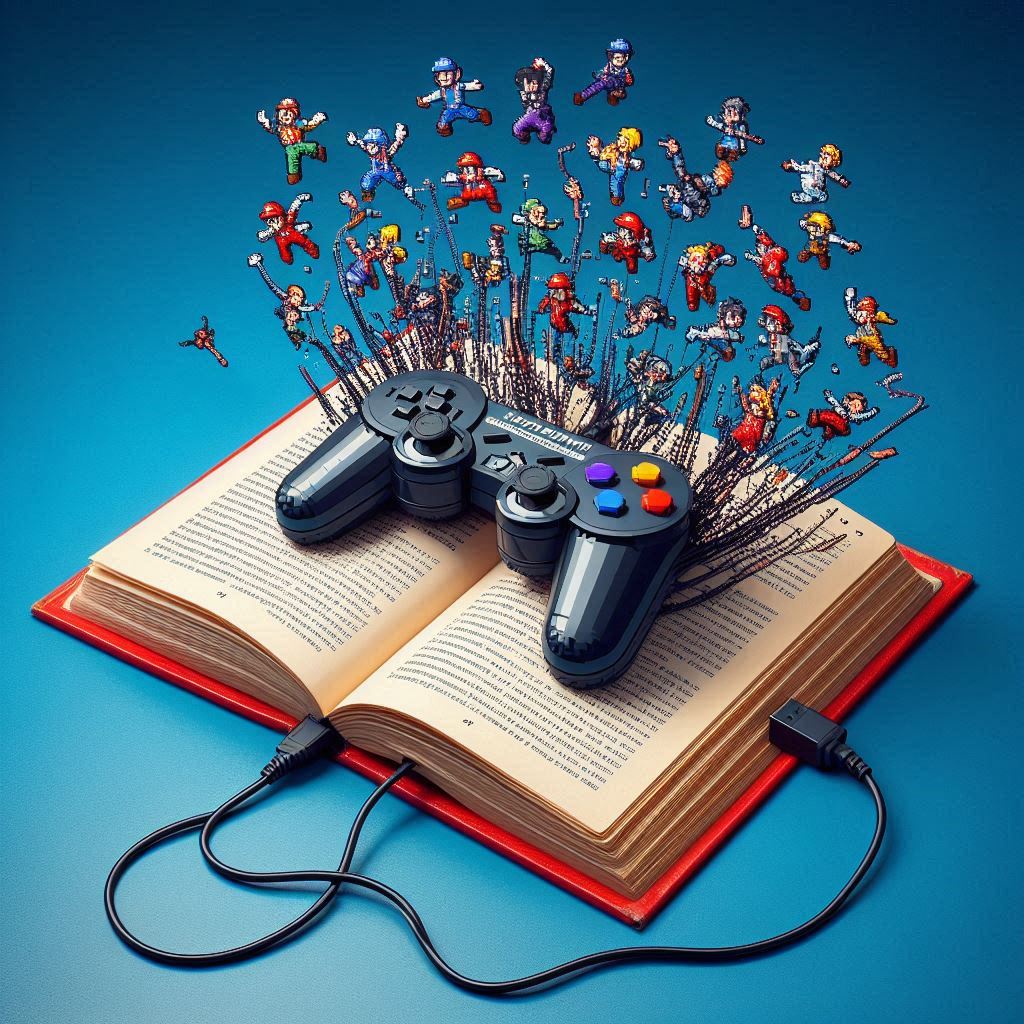
Stories can be great, and video games can be great, but video games are not the greatest medium for stories. This realization came to me after seeing the television adaptation of The Last of Us. I played the post-apocalyptic video game around the time it first came out in 2013, when it was hailed as one of “the best video games ever.” While I had some fun playing the game, I thought it was overrated and undeserving of its massive hype. The gameplay itself didn’t feel all that fun or inventive. Instead, what was so critically acclaimed was not the gameplay but the story.
I often hear published writers say they don’t have time to read anymore. It is often in interviews while promoting their own work, when they are asked what books they have read lately. Some writers say they don’t have time to read at all, others not as much as they would like to. Those who do read often only read ARCs (advanced reader copies) of new books they have been asked to write a blurb for, or nonfiction books as research for their fiction. They are too busy writing books to be reading books for leisure, or so they say. But this is not an excuse—it is cope. All writers need to always be reading. (ABR)
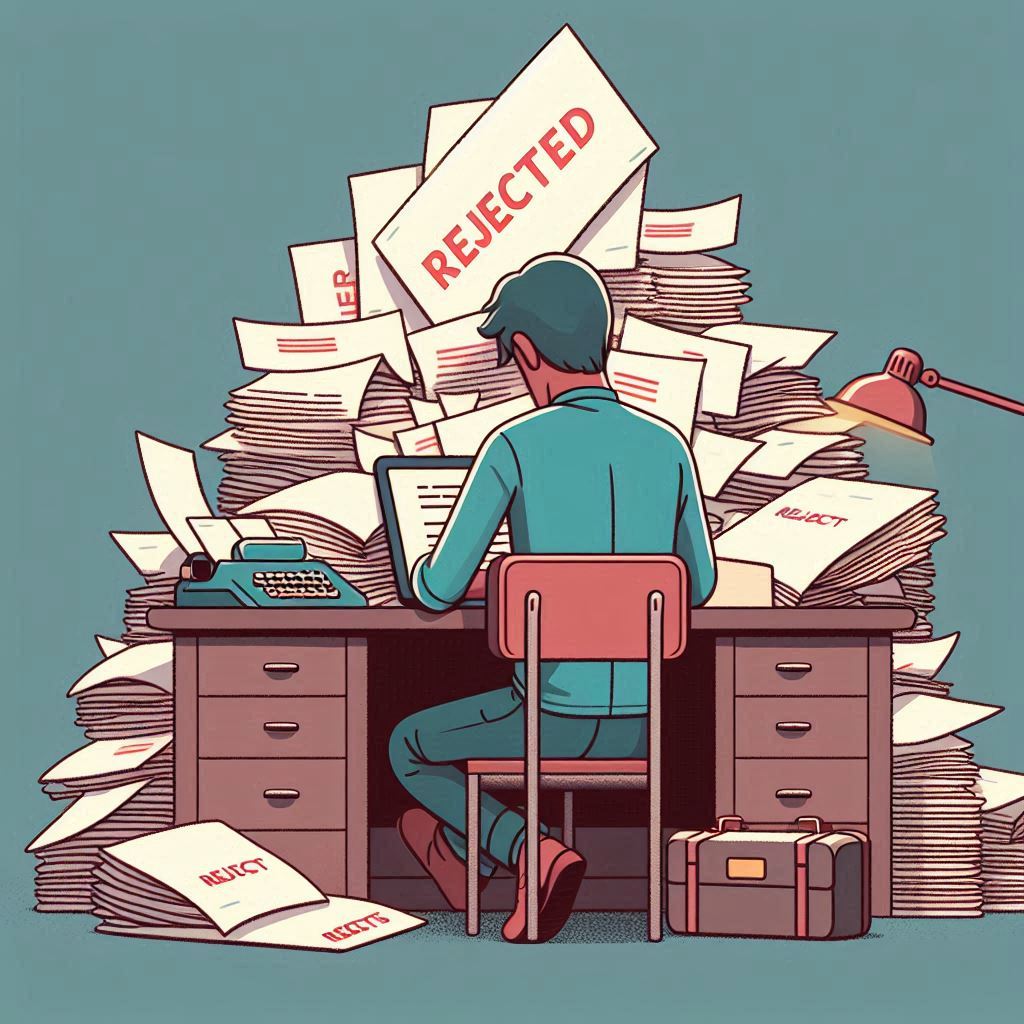
For me, writing is easy. It’s selling my writing that is hard. I hate sending query letters and submissions to agents and publishers. As opposed to writing, querying is tedious and uncreative. Plus, there’s the whole rejection part.
Most movies are ninety minutes to two hours. Some are longer, veering toward three hours, but those tend to be more epic in scope, from established filmmakers and/or blockbuster franchises. However, for screenwriters trying to break into the industry, it is strongly recommended—if not required—to write spec screenplays between 90 and 120 pages (with one page of screenplay roughly equating to one minute of screen time).
Planning your life can be difficult because there are so many possibilities. It may be best to take a lesson from nature and choose your career path like evolution. DNA evolves by reproduction with random mutations. Many variations are created, not knowing which will succeed. When one trait does succeed, it replicates and builds upon that mutation. This system of evolution clearly works—it produced us, humans, from a single cell of bacteria.
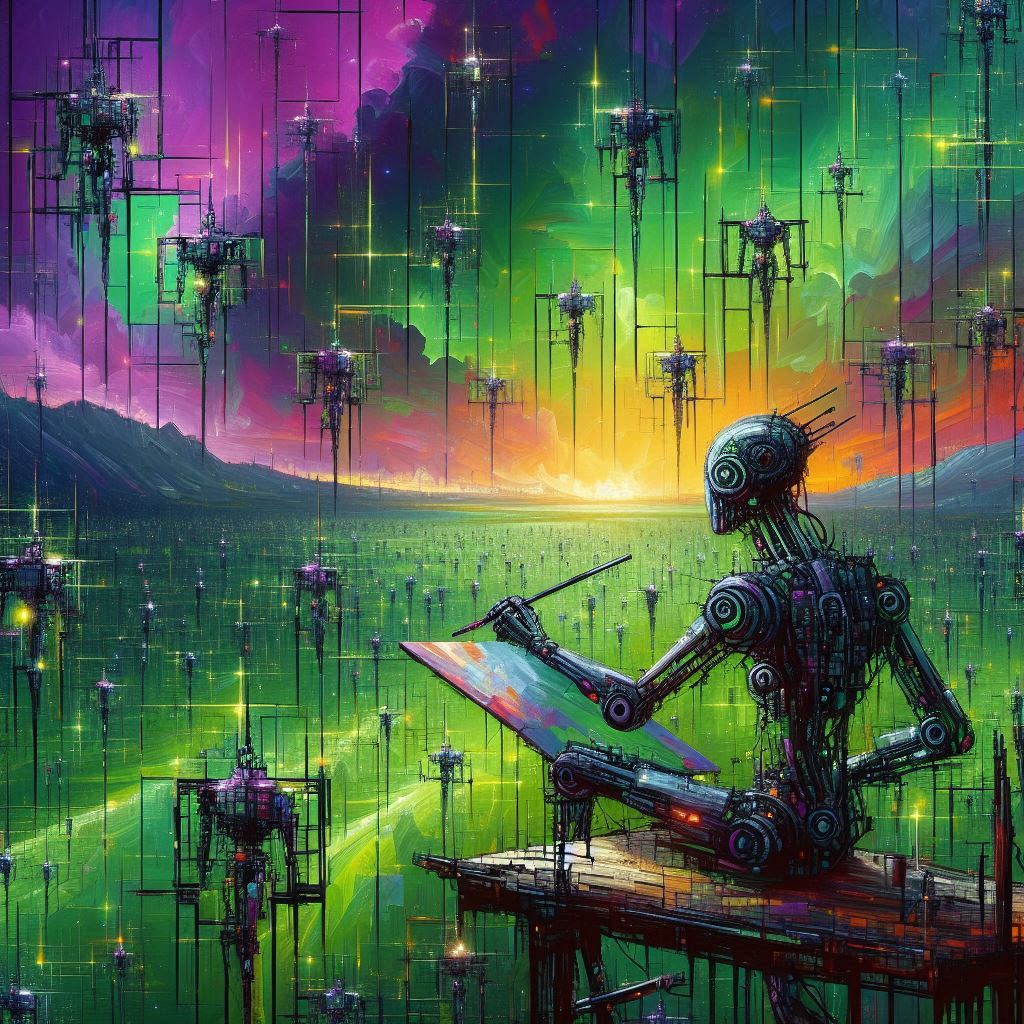
One of the great upsides of AI art is the ability for artistically unskilled people to create their own artwork. Instead of spending years learning the craft of how to paint or draw, you can instantly generate a skilled painting or drawing. The most artistic part of the process in AI art becomes choosing which image to create. For that image to be artistically meaningful, prompters must learn how to think like an artist.
There are essentially two types of writers: plotters and pantsers. Those who outline their plot beforehand, and those who write from the seat of their pants (AKA go in blind and make everything up as they go along). I said in the past that I was an outliner, but I now outline less than I used to.
Outlines make it easier to know where you have to go in the plot. But one benefit of writing from the seat of your pants is that you are motivated to write more often and faster because you want to know what happens next. If the full story is thoroughly outlined, writing can become more of a tedious transcription-like process with little surprise for the writer. Less planning can create more fun, though I don’t know if I would recommend that approach to someone who doesn’t have sufficient writing experience.