Category Archives: Television

True Detective Redux

Season one of True Detective was one of my favorite television shows of all time. I was disappointed by the second season but thought the third was a return to form—not quite as good as the original, but a worthy successor. The fourth season, True Detective: Night Country was no longer being run by the original creator Nic Pizzolatto, so my expectations lowered, though I was still optimistic it could be good. I love the general format of True Detective, with each season being a self-contained miniseries following new detectives who investigate a murder case. I hate TV shows that go on forever, so the best thing about True Detective is you are guaranteed an ending

Continue reading

Newsflash: The News Was Always Fake

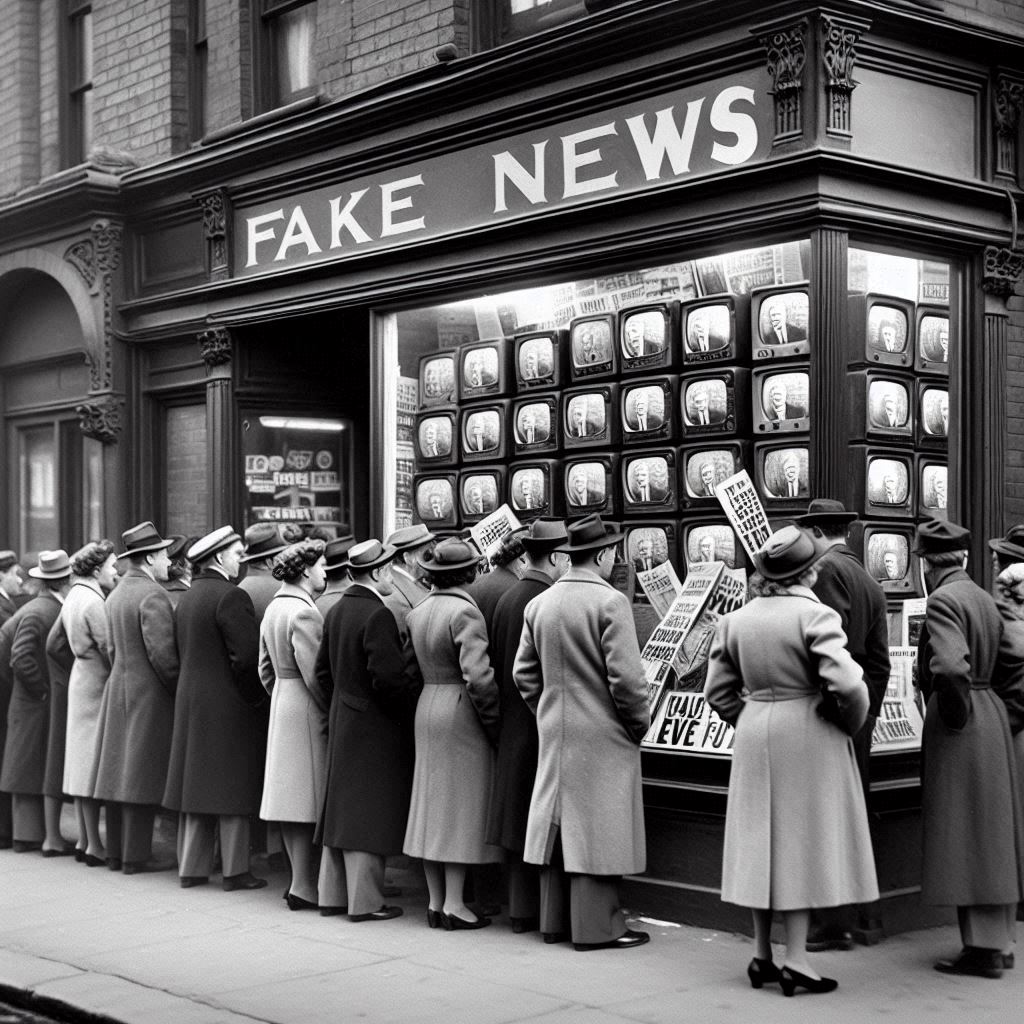
Many people today think America is more polarized than ever due to social media and the proliferation of fake news on the internet. But the country was just as polarized (if not more so) in the 1770s and 1860s when there were major wars fought between fellow citizens on American soil. Those were times before television and radio, when newspapers were the only form of media. The early American era was more akin to the present, with rival sources from each side of the political spectrum giving biased news to their bases. The difference then was political conflicts were more localized. Each town had multiple competing local newspapers, so political attention was more regional, as opposed to a national bipolar culture war between two diametrically opposed tribes. The advent of decentralized mass media on the internet allowed that. 

Continue reading

Control and the Storytelling Tradeoff in Video Games

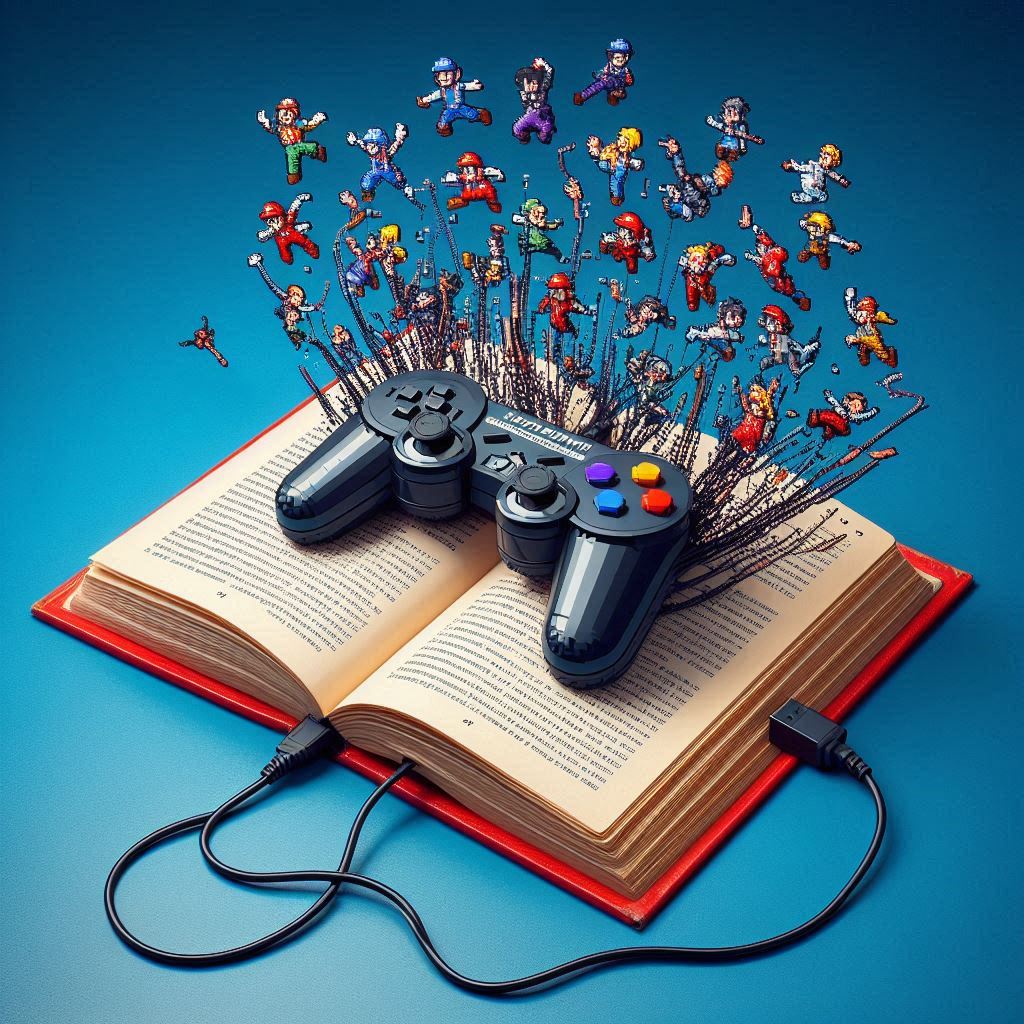
Stories can be great, and video games can be great, but video games are not the greatest medium for stories. This realization came to me after seeing the television adaptation of The Last of Us. I played the post-apocalyptic video game around the time it first came out in 2013, when it was hailed as one of “the best video games ever.” While I had some fun playing the game, I thought it was overrated and undeserving of its massive hype. The gameplay itself didn’t feel all that fun or inventive. Instead, what was so critically acclaimed was not the gameplay but the story

Continue reading

From TRL to TikTok: Millennial Pop Culture vs. Gen-Z

Generation-Z is the first generation to grow up entirely online. For as long as Zoomers can remember, the internet has been ubiquitous and pervasive to daily life through smartphones. As a result, Gen-Z has no consensus culture—no TV shows, movies, or music they all consumed growing up. Everything had fractured into thousands of subcultures on the internet. Each Zoomer is an island. There may be another person who shares all your same niche cultural interests, but you are unlikely to ever randomly meet that person in person. You will only ever “meet” that person online. This fragmentation of culture is not necessarily good or bad. It just is. And it is different from every other generation that came before. 

Continue reading

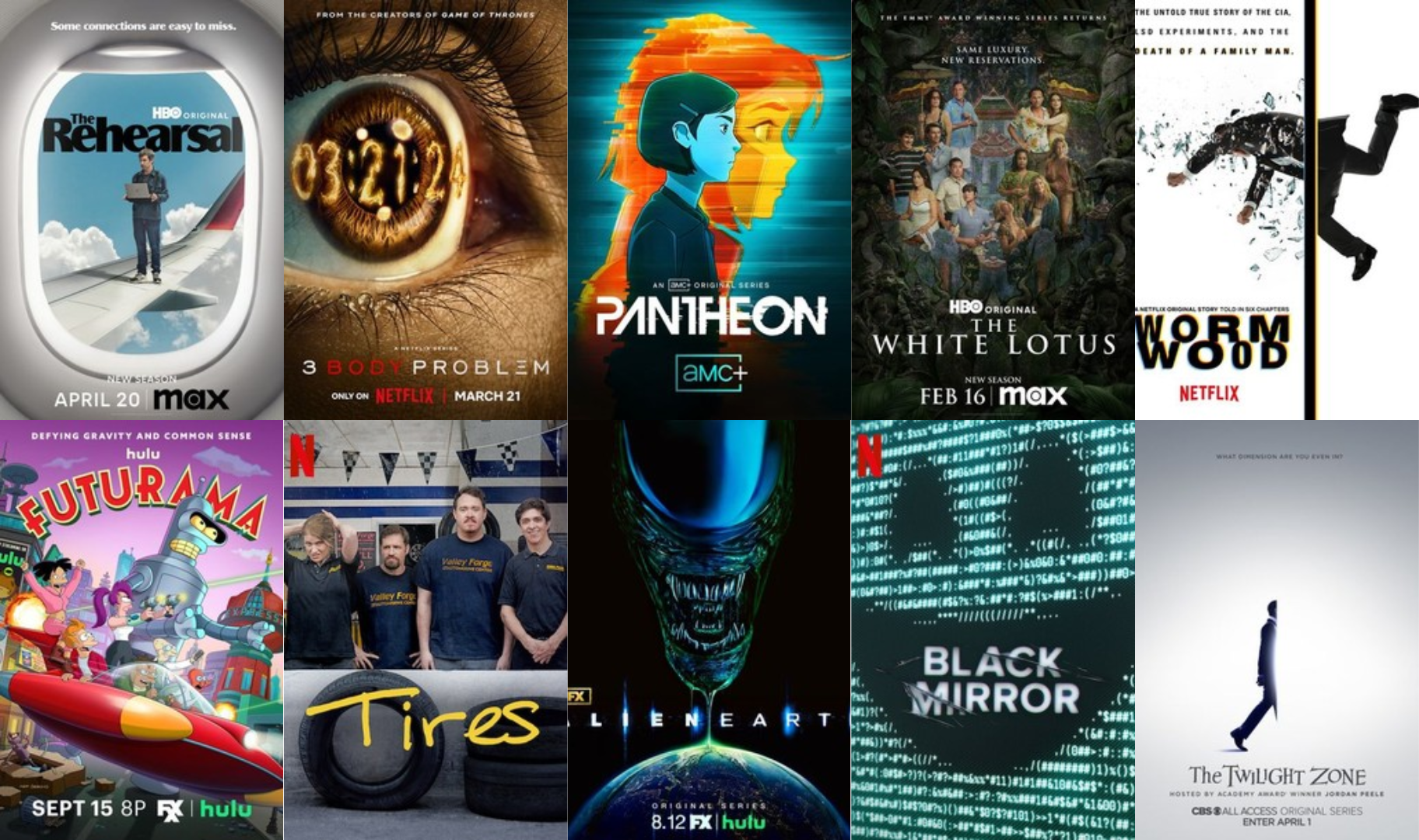
Best TV (and YT) I Streamed in 2023

1. How to with John Wilson (Season 3)

This continues to be one of the most uniquely brilliant shows on television. It blows my mind how John Wilson is even able to create this show, what his process must be, constantly filming his daily life and somehow editing it all into something cohesive and interesting. There is nothing else like it on TV. It’s almost like an entire show built around synchronicity. He follows serendipity wherever it takes him, around New York City and the entire country. He finds the weirdest people, and like Nathan Fielder, isn’t afraid to get super awkward. But the show is also quite heartfelt at times. Sadly, this is the final season, but I will eagerly watch whatever John Wilson does next. 

2. Succession

I wrote about all four seasons of Succession here (and a fictional fifth season here).

Continue reading

E Nihilus Infinitum: Social Media and U.S. Fiction

In “E Unibus Pluram: Television and US Fiction,” David Foster Wallace’s brilliant 1990 essay1, he hypothesized that fiction writers (like himself and myself) are natural oglers or people-watchers. Writers used to have to observe people in the real world, in public, to get the material for their fiction. But fiction writers (like him and me) are often self-conscious types with social anxiety, which was why television was such a godsend for people like him. With TV, self-conscious writers could ogle and people-watch from the comfort of their own homes without the other people seeing them. In this sense, DFW argued, television is a form of voyeurism.

Continue reading

The Success of Succession

Since Succession premiered in 2018, I repeatedly heard so many people I respect say how great the show was, but I hesitated to start watching. It wasn’t that I doubted them; I was just waiting to find the time to dive in. (Too much content.) With the final season airing this year, I thought it would be a good time to catch up before the finale. Part of the reason I hesitated to start Succession was fear of getting absorbed in yet another series that would go on indefinitely—or get canceled prematurely. Knowing there was an end in sight allowed me to begin. Long story short, it turns out all those people were right: Succession is a great show. It is highly dramatic with surprising twists and turns, but it is also extremely funny—funnier than most sitcoms, full of classic one-liners. It ranks up there with The Wire, The Sopranos, Mad Men, and Breaking Bad as one of the top television series of all time.

Continue reading

Why the End of a Story Matters Most

Storytellers often defend their work that is criticized for a poor ending (cough-cough LOST) by claiming that the story or plot didn’t really matter—it was about the characters all along. This is a cop-out. The most important part of any story is the STORY, not the characters, and a story is not a story without “The End.”

Continue reading

Best TV I Streamed in 2022

With the advent of streaming services, the world has been flooded with television series—much too many for any one person to watch. These shows are mostly good but rarely great. I’ve come to realize why television tends toward mediocrity. Most people only half-watch tv in the background while doing other things like browsing social media on a second screen. They don’t have the self-discipline to not look at their phone while watching tv, so tv shows cannot be too intellectually challenging. TV shows are purposely dumbed-down so they can be half-watched while viewers are multitasking. Most people don’t have the attention span to watch artistic films—or movies that make you think. That’s why most tv shows drag on and are repetitive—so people can still understand what’s going on while scrolling Instagram. But if I’m going to watch something, I devote my full attention, which is the way cinema is meant to be seen. The other issue with television is series being canceled prematurely and never getting closure. It is for these reasons, among others, that I prefer movies to tv series. Though there were a few series worth watching this year.

Continue reading

Best Streams of 2021

Television:

The Mandalorian (seasons 1&2 on Disney+)

I heard great things about The Mandalorian when it premiered a couple years ago and had been wanting to see it, but I did not have Disney+ (until this past year). So I finally got around to watching the first two seasons of the show and really enjoyed it. I normally prefer movies over TV series, but The Mandalorian was better than the recent Star Wars film trilogy. That’s probably because the showrunner (John Favreau) had more creative freedom since he wasn’t working with the core franchise characters. There were likely too many cooks in the kitchen for the movies, with producers, studio execs, marketing experts, toy manufacturers, and Disney brand advisors all having a say in the plot and characters. Plus there were different writers and directors for the three movies and they apparently didn’t plan together. Beyond that, so much was on the line for the Disney mega-corporation with those movies because of the production and marketing budgets. The Mandalorian had a relatively high budget (~$120 million per season), but the budgets of each Star Wars movie were 2-3x that. They surely saved a lot on marketing by just dropping the show on Disney+ (while people were stuck at home during a pandemic with nothing else to do but watch TV).

Continue reading