I crave novelty. In music, movies, books, podcasts, articles, and documentaries, I want something completely new that I’ve never experienced before. New stories. New sounds. New information. New knowledge. Novel everything.
Continue reading

I crave novelty. In music, movies, books, podcasts, articles, and documentaries, I want something completely new that I’ve never experienced before. New stories. New sounds. New information. New knowledge. Novel everything.
Continue reading
The most valuable ability of humans—what separates us from other species—is our ability to predict the future. To anticipate the repercussions of our actions. To imagine potential consequences. To plan for the future. Prediction is what makes humans more intelligent and thereby more successful at survival than other animals. Likewise those humans who are best at prediction are more successful in life than their fellow humans.
Continue reading
In The Shifting Realities of Philip K. Dick: Selected Literary and Philosophical Writing, PKD wrote about his struggles with loneliness during his career as an author. In the following quotes, he explains how writing and loneliness are and aren’t related.
Continue reading
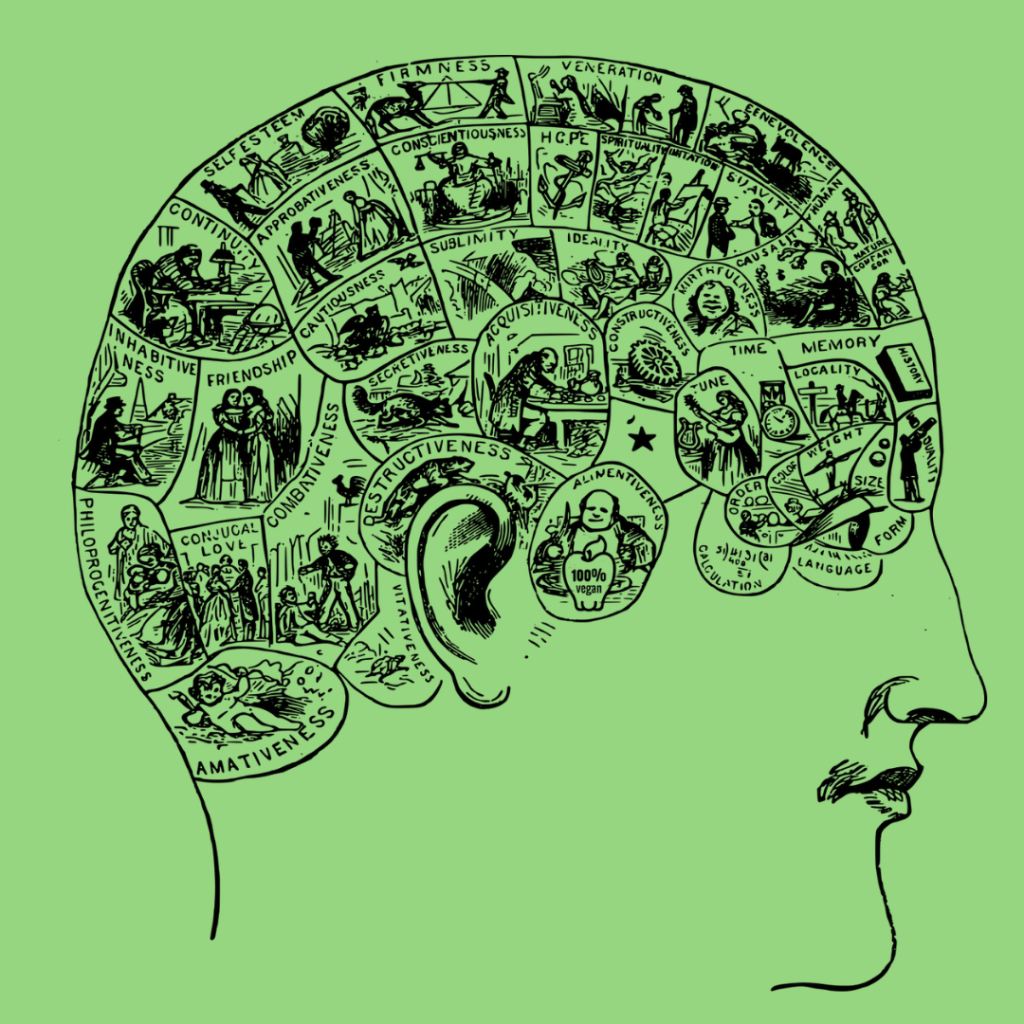
I’ve been a vegetarian my entire life. No one in my family or anyone I knew was vegetarian; it was something I came to on my own. When I was a child, people would often ask me why I didn’t eat meat, as if there was some moment or reason that precipitated it, but I never had an answer. Today I can name a whole host of reasons to be a vegetarian—ethical, health-related, and environmental—but I wasn’t aware of those benefits of vegetarianism when I was four years old. Yet as far back as I can remember, I’ve had an instinctual disgust toward meat. It was as though I was born a vegetarian. But is that possible? Are certain people natural vegetarians?
Continue reading
Consciousness, or what makes humans human, is inherently tied to imagination. Imagination allows you to predict possible futures before they happen—be it what a predator such as a tiger will do (harm you), what a rock could turn into (a tool), or what a seed could become if you plant it (food). That type of future-thinking birthed agriculture and civilization, and it all stemmed from imagination—imagining what not yet is but could be. No other species can do that (that we know of).
Continue reading
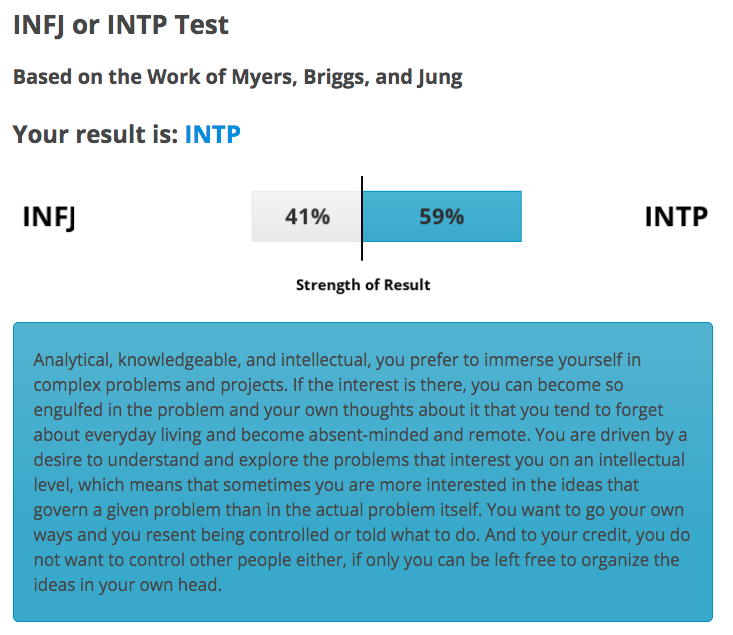
A couple of years ago I wrote about how I was an INFJ according to the Meyers-Briggs personality type indicator, but it turns out I might actually be an INTP. Back then I took several MBTI tests and got INFJ more times than not (though there was some variation). Now when I take the test, more times than not, I am an INTP (though again there is some variation, sometimes getting INTJ). The more I read about INTPs, the more that type seems to fit me. One thing is clear, however: every time I take the test, then and now, I am always firmly IN (Introverted and iNtuitive), it’s only the last two letters (thinking/feeling and perceiving/judging) that vary. Continue reading

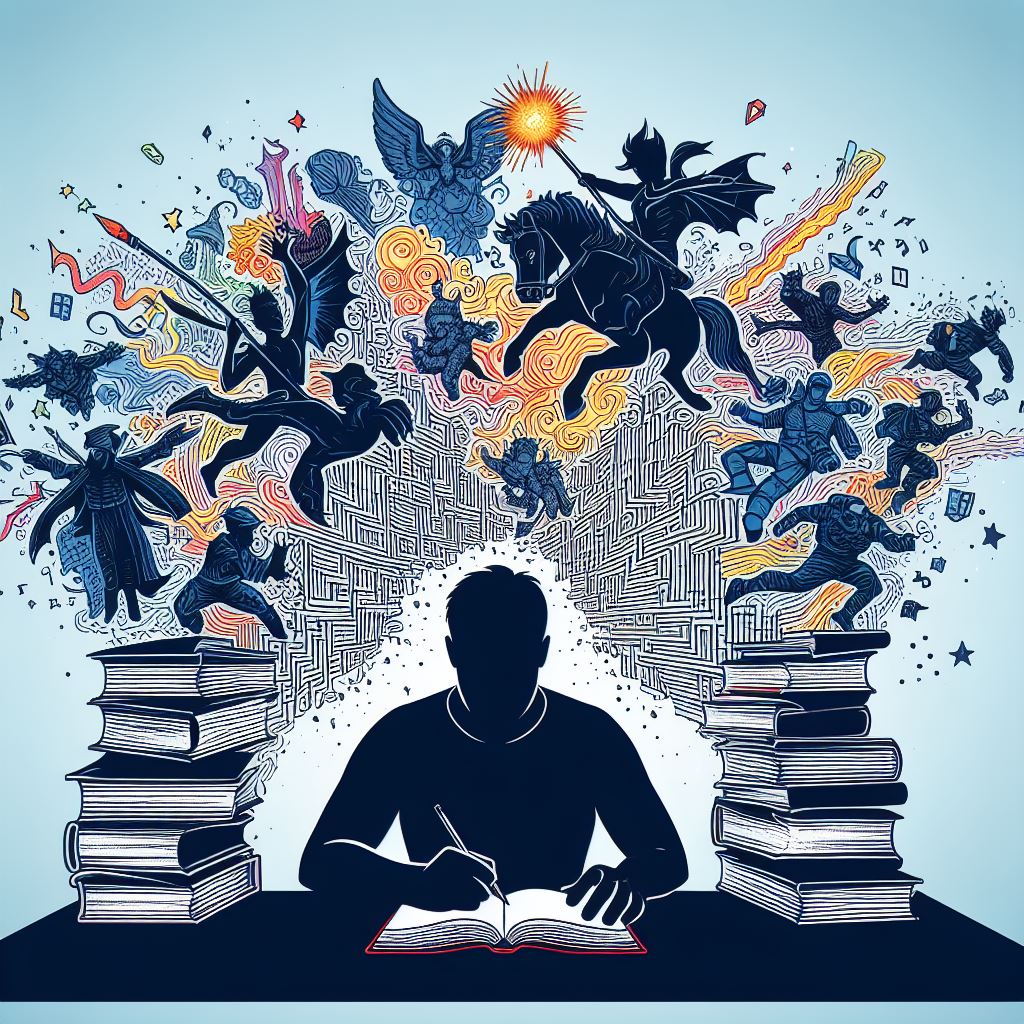
Solitude makes people more creative. When isolated from other humans, you become extremely bored. (This includes both in-person interaction and indirect forms of human communication, such as via the internet, watching television, or reading books.) When completely deprived of interaction with other people, you become so craved for some kind of stimulation that you’re forced to fill that need yourself—in your imagination. You create fictional characters and stories in your head to fulfill your innate need for stimulation and social interaction. Continue reading

Kurzweil is an inventor and futurist famous for his optimistic predictions for technology in the future, particularly the idea of the singularity—when humans will be able to upload their minds to computers and potentially live forever—which he predicts will happen by the year 2045. Kurzweil has his doubters, but it’s hard to dismiss his track record of predictions when you look at how many have already come true in this book written over thirty years ago. Continue reading
One night when I was in college, a group of friends were thinking about going to a movie, and someone said, “No, I don’t want to go to a movie where you have to think.” It bothered me that someone could ever feel that way. I thought those were the best types of movies. What’s the point of watching a movie if it doesn’t make you think?
I was reminiscing about that night from college recently while contemplating the purpose of stories. They’ve been around for the entirety of human history. Storytelling is what makes humans human; it’s what separates us from other species. No other animal can tell stories to each other and pass on wisdom and knowledge through language. Continue reading

Whether it’s zombie outbreaks, nuclear wastelands, or climate change, people love post-apocalyptic stories. Examples include books like The Road and A Canticle for Leibowitz, TV shows like The Walking Dead and Jericho, video games like Fallout and The Last of Us, comics like Y: The Last Man, and movies like Mad Max, I am Legend, World War Z, Book of Eli, and The Postman. The causes and effects differ, but what these stories share is the setting of a world after civilization has fallen, with people living in brutal conditions where everyday survival is a struggle. The themes are dark and dour, yet these stories are extremely popular. The question is: why are people so drawn to post-apocalyptic stories? Continue reading