Tag Archives: imagination

What Will Aliens Look Like?

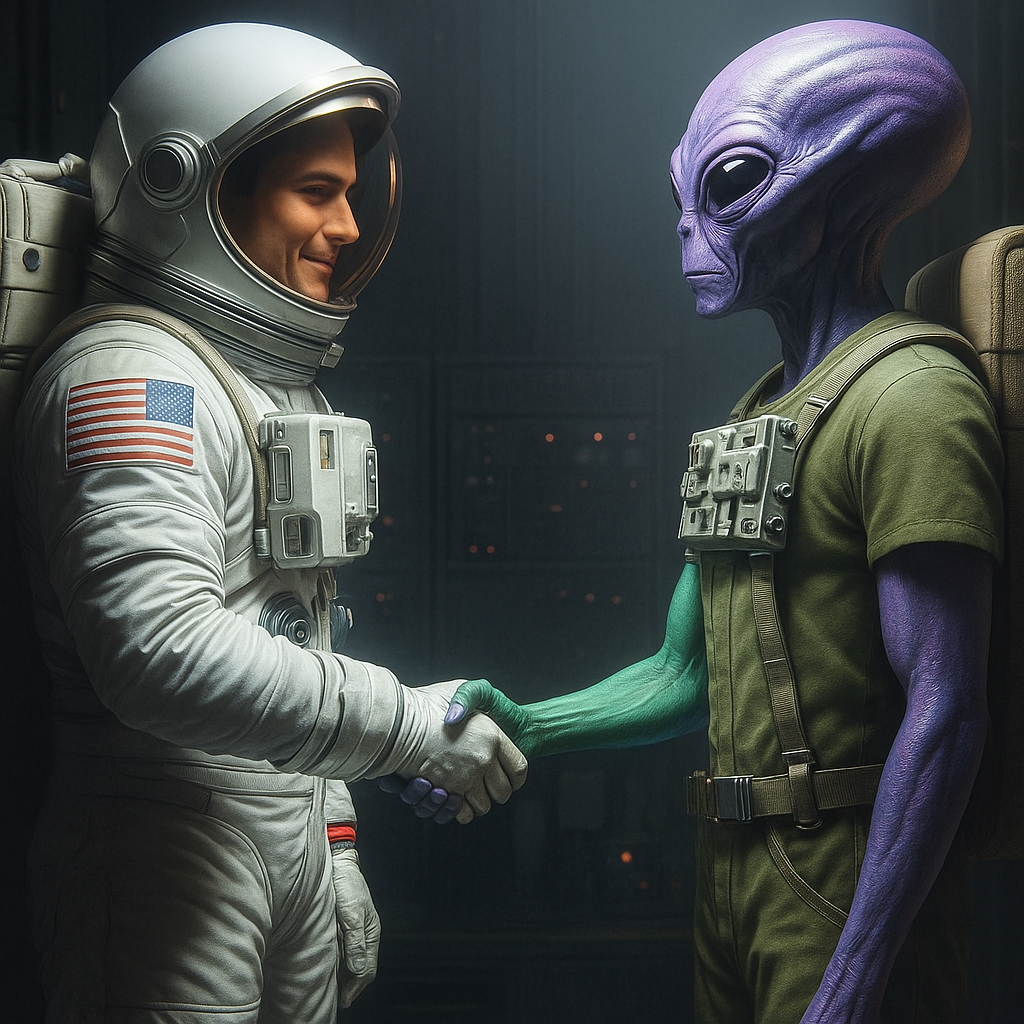
When people speculate about what alien life forms might look like, most experts think it is extremely unlikely that they will be anything like humans. Neil deGrasse Tyson has critiqued Star Trek for its “lack of imagination” by making all their alien species somewhat humanoid in form with only slight cosmetic differences (although that was probably more due to lack of finances rather than lack of imagination). Regardless, I think experts like NDT are wrong. Intelligent aliens, if they exist, will probably look somewhat similar to humans, as Star Trek portrayed.

Continue reading
Think Like an Artist to Create Better AI Art

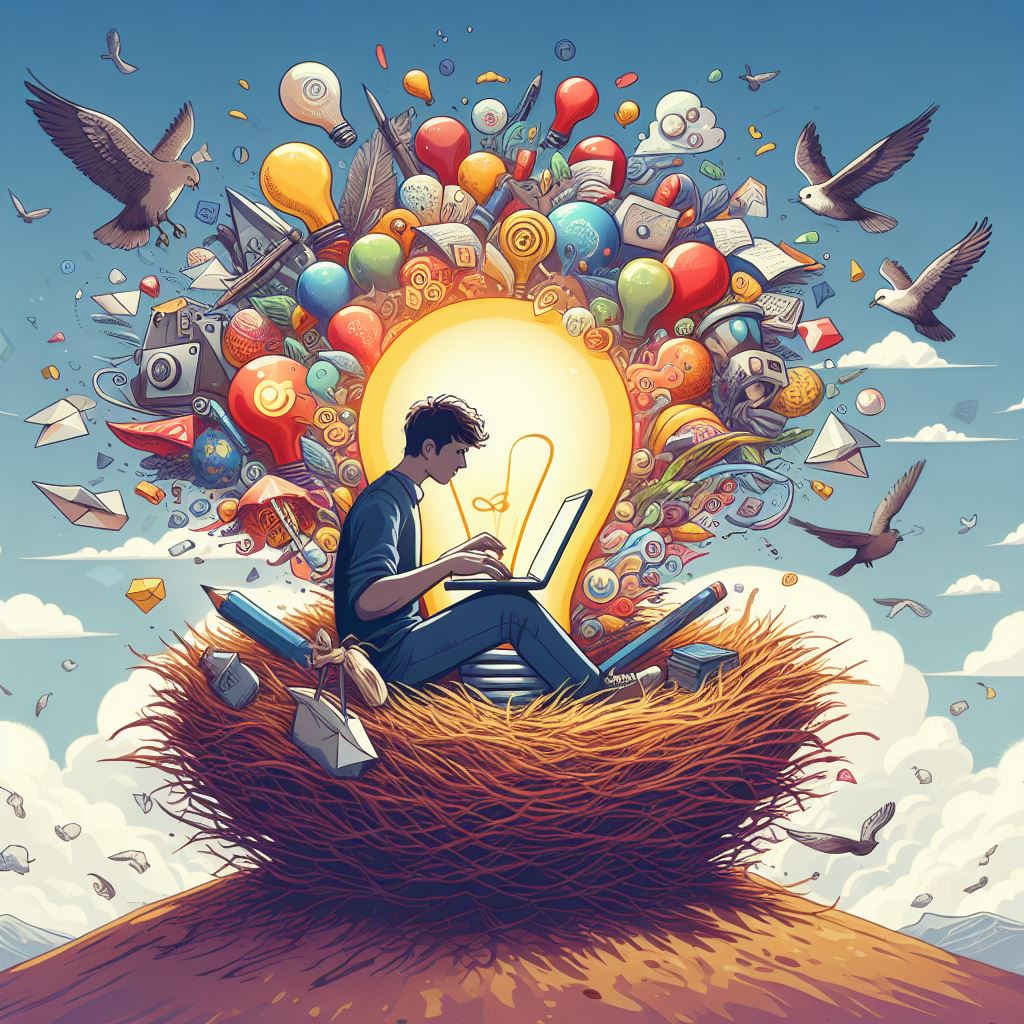
One of the great upsides of AI art is the ability for artistically unskilled people to create their own artwork. Instead of spending years learning the craft of how to paint or draw, you can instantly generate a skilled painting or drawing. The most artistic part of the process in AI art becomes choosing which image to create. For that image to be artistically meaningful, prompters must learn how to think like an artist. 

Continue reading

What is it Like to be a Coyote?

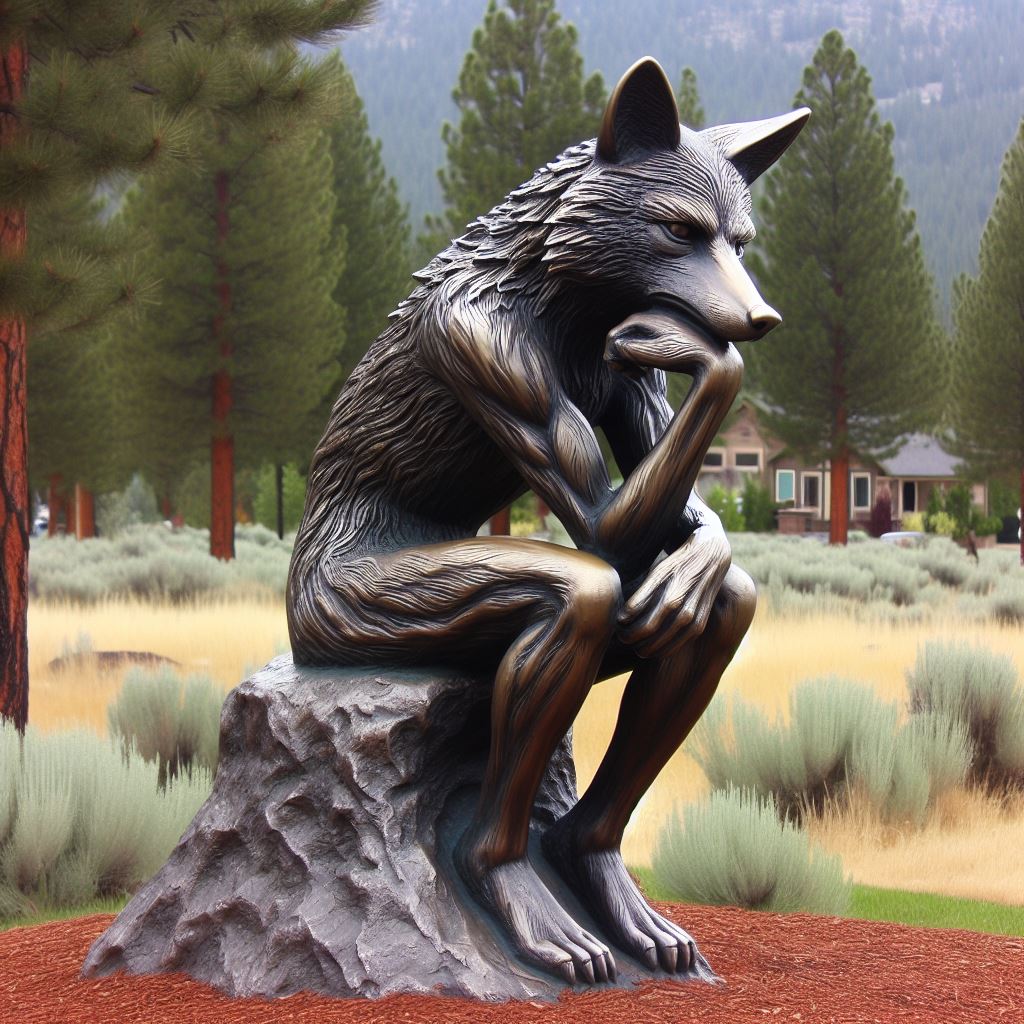
One day while hiking I encountered a couple of coyotes along the trail. At first I got frightened, wondering if they were dangerous. But the coyotes just stood still, watching me from a distance and minding their own business. I walked away, continuing along the trail, while googling for information on my phone. With relief, I learned coyotes rarely ever attack adult humans—only small pets and children. (So don’t leave them out alone in coyote-populated areas.)

I then started wondering what it feels like to be a coyote. What was going through that creature’s mind as it watched me hiking by. Is anything going through its mind? What I mean to say is, are coyotes conscious? But not just consciousness as subjective experience, or the classic definition by Thomas Nagel—that there is something that it is like to be that thing. I mean are coyotes—or dogs, cats, and any animals other than humans—conscious in the same way humans are, with self-awareness, an inner monologue, and imagination? Does any species besides Homo Sapiens possess “sapience?”

Continue reading

Incubate Stories Subconsciously Before Writing

When I get a new idea for a fiction story I become obsessed. I am flooded with inspiration, developing the story in my mind while researching online, and rapidly taking notes for a potential plot and characters. I can see a flash of the entire story in my mind like a movie, and I feel the urge to follow this burst of obsessive inspiration to write the story ASAP. Sometimes I do write it right away, while other times I set the notes aside to finish whatever else I was working on at the time (because I am always working on something else). I have found the latter to be more productive for my creative process. It is better to wait and incubate the story for some time rather than rush in prematurely.

Continue reading

Philip K. Dick’s Advice for Worldbuilding Science Fiction

The book The Shifting Realities of Philip K. Dick: Selected Literary and Philosophical Writings features several interviews and essays by author Philip K. Dick. In the following excerpt, PKD gives some helpful advice on worldbuilding for science fiction writers.

“This world must differ from the given in at least one way, and this one way must be sufficient to give rise to events that could not occur in our society — or in any known society present or past. There must be a coherent idea involved in this dislocation; that is, the dislocation must be a conceptual one, not merely a trivial or a bizarre one — this is the essence of science fiction, the conceptual dislocation within the society so that as a result a new society is generated in the author’s mind, transferred to paper, and from paper it occurs as a convulsive shock in the reader’s mind, the shock of dysrecognition. He knows that it is not his actual world that he is reading about.”

Philip K. Dick on worldbuilding a science fiction story
Continue reading

Visceral vs. Cerebral Horror

As a child I was terrified of horror movies and avoided watching them. Two of my favorite movies were Jurassic Park and Independence Day, and while they were not directly horror, there were certain scenes in each film that I had to close my eyes during because I was so terrified. (They were when the raptors popped out and when they showed the alien body in the Area 51 base). Though I avoided explicit horror, I enjoyed spooky movies and TV shows intended for children, such as Disney’s Legend of Sleepy Hollow and Nickelodeon’s Are You Afraid of the Dark?. I liked PG horror because it was merely spooky and creepy, not outright terrifying. The first true horror movie I remember seeing was Scream, which came out in 1996 when I was ten years old. Though that movie was meant to be somewhat comedic, the Ghostface mask nevertheless remained burned in my mind and gave me nightmares for months after.

Continue reading

Why Are so Many Creative People Anxious and/or Depressed?

Introducing Kafka by R. Crumb

Consciousness, or what makes humans human, is inherently tied to imagination. Imagination allows you to predict possible futures before they happen—be it what a predator such as a tiger will do (harm you), what a rock could turn into (a tool), or what a seed could become if you plant it (food). That type of future-thinking birthed agriculture and civilization, and it all stemmed from imagination—imagining what not yet is but could be. No other species can do that (that we know of).

Continue reading

Exercise Anxiety Through Art

Anxiety is a product of imagination. We imagine potential scenarios in which all sorts of negative things might happen. This can manifest in various types of anxiety, such as a fear of flying: imagining all they ways a plane might crash. Or a fear of heights, spiders, confined places, etc. It’s the same with the type of fear I struggled with: social anxiety. Continue reading

The Link Between Anxiety and Intelligence: Imagination

imagination
Anxiety is a sign of intelligence because anxiety is essentially imagining the future. That’s how humans became so intelligent compared to other species. We developed an ability to imagine the future—to see different factors and anticipate something to happen before it does. As a result, we were able to set traps to kill prey. And realize if we plant a seed today, crops will grow weeks or months later. Or predict that we will fall if we step off a steep cliff. Imagination is possibly even the origin of consciousness itself. Continue reading