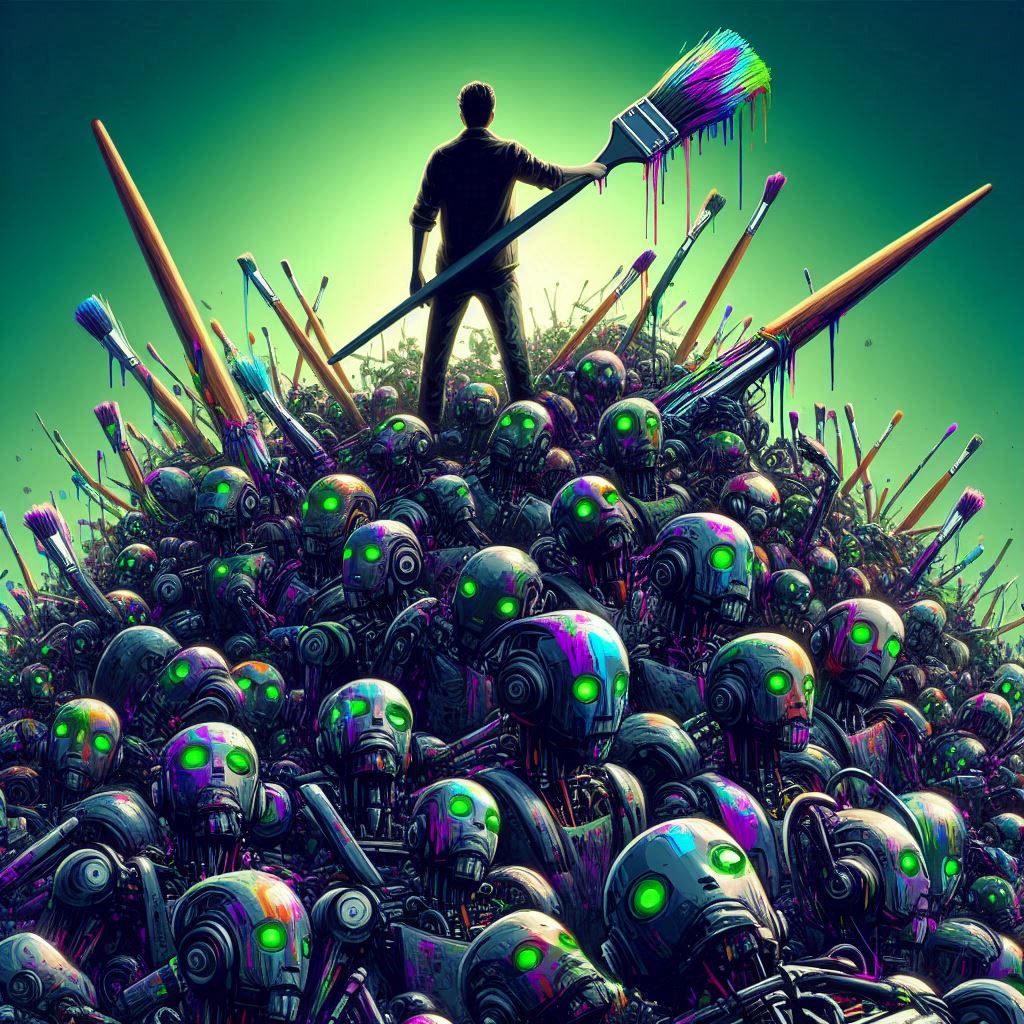
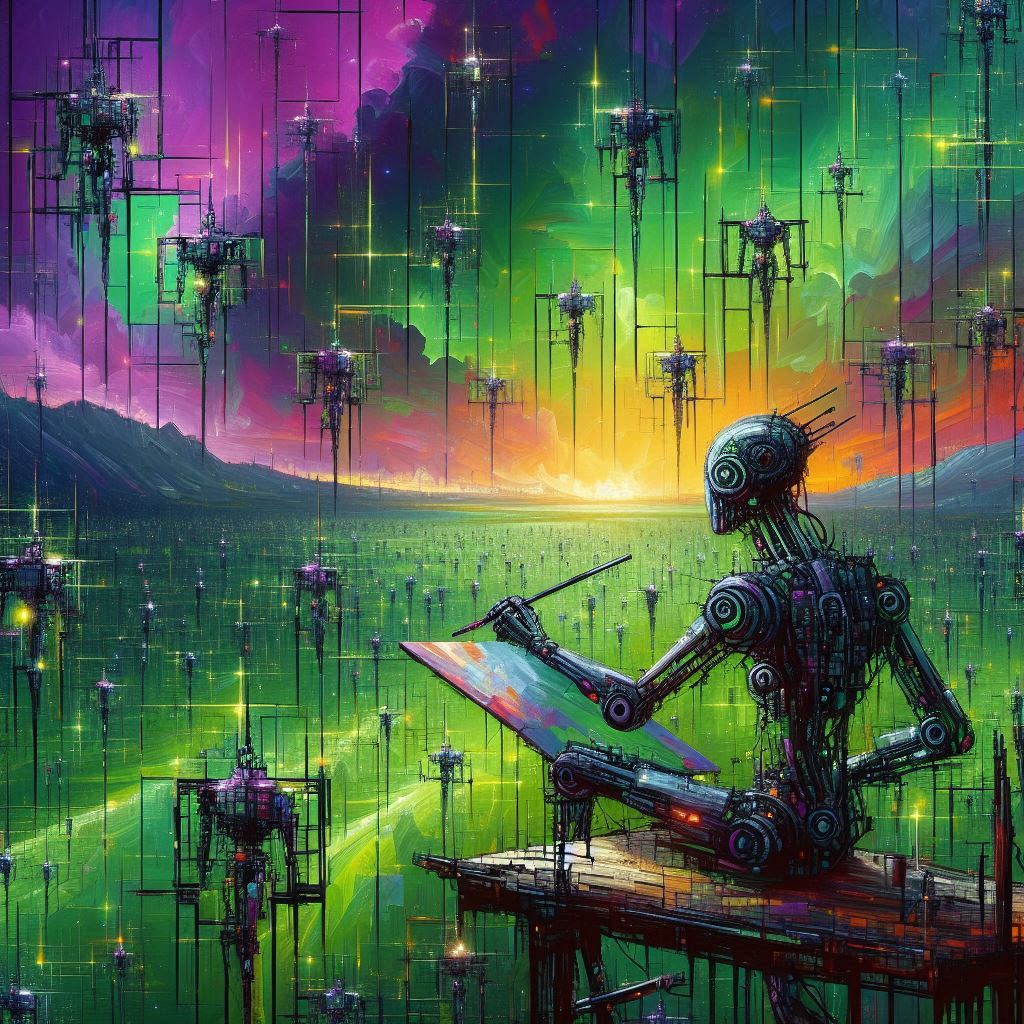
In the future, only creative people will survive. There will be no jobs. Even art could be better done by robots and AI. But humans can still be creative. And they can find purpose in creating art or music or businesses or hobbies. Anyone who is not creative will essentially be a human robot (but a less productive version of the actual robots).
In the future, it may be possible for AI to create art (including books, movies, music, and videogames) that is so perfectly attuned to an individual’s preferences, perhaps even directly using brain scans to determine the precise ingredients that will give the person the ultimate entertainment experience (like from David Foster Wallace’s Infinite Jest), whatever that may be for the particular individual. This AI would essentially create better art than humans—not that it would be objectively better than anything created by humans, but it would be subjectively better to that one particular human for whom the artwork is specifically created for. And AI could conceivably do this for every single human in the world: create unique works of art tailored to be the best work of art for that individual (whatever the criteria for “best” is for them). How could human artists compete with that?
I have a love/hate relationship with Blake Crouch’s books. He has fantastic premises about cutting-edge science and writes fast-paced thrillers that keep you eagerly turning the pages to the end. Crouch has been compared to Michael Crichton, in that they both write grounded techno-thrillers about plausible future technology with high-concept books that are ripe for adaptation to the screen (TV and movies). But despite me loving the premises of Crouch’s two previous books, Upgrade and Recursion, ultimately I didn’t like the books as a whole—or more precisely I was let down by their endings.
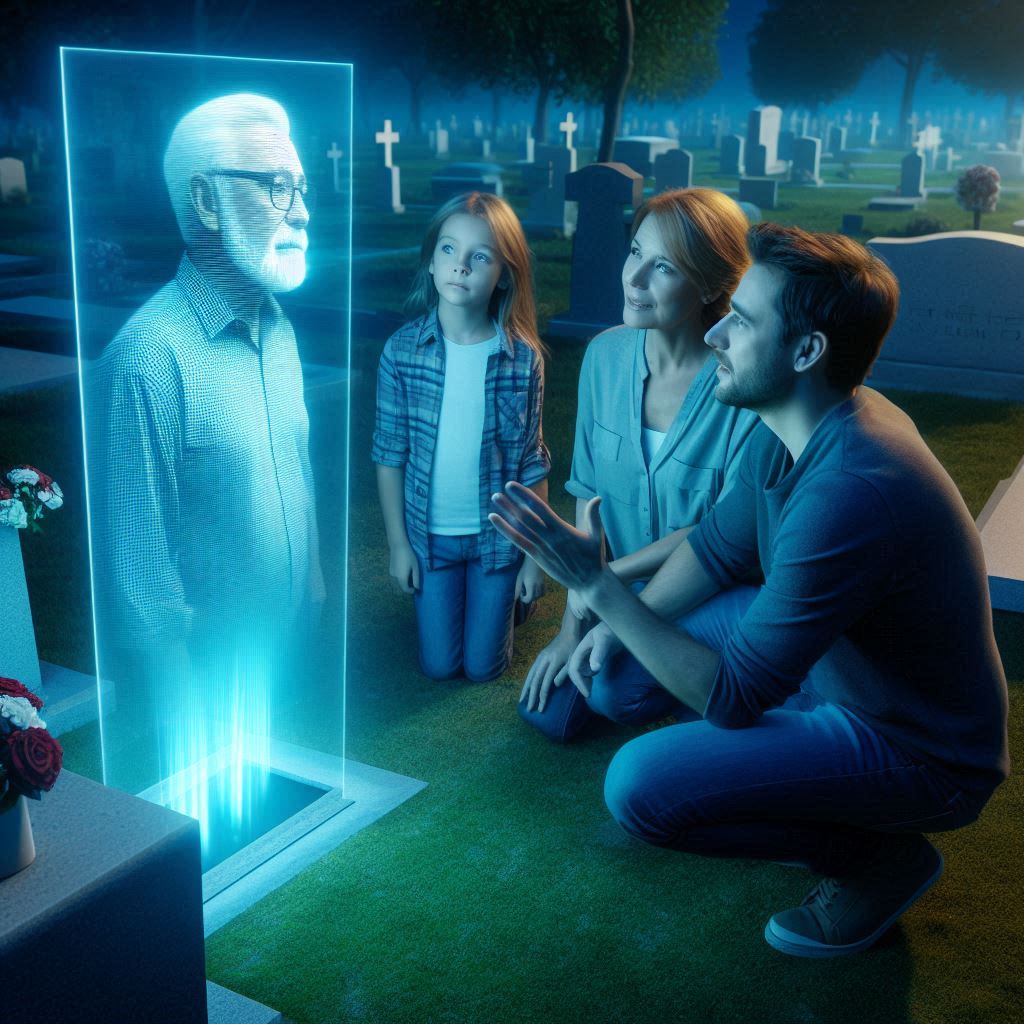
One of the potential applications of AI text generators such as ChatGPT is creating a chatbot based on people who have died so that users can speak to those “people” after they are gone. This could be done with famous figures from history or personal loved ones. Such “grief tech,” as it is called, is already being created: HereAfter, You Only Virtual, Character.ai, and MindBank are just a few examples. There are currently apps where living users answer questions now to help create an AI chatbot clone of themselves that others can speak to after they die.
Theoretically, if a person has enough textual data to input into the model (from books, journals, social media posts, emails, and text messages), then the AI trained on that data can anticipate what that person is likely to say given any prompt (which is essentially how all LLMs work). The chatbot will learn to write in the style of the deceased person based on their personal data. Using continually updated data from the internet, the “deadbot” can comment on current events, making it seem as though the person is still alive. Users can learn what the deceased person would think about things that have happened in the world since they passed away. Or they can ask the chatbot all the questions they wish they had asked while the person was still alive. At least that is what the chatbot’s creators will claim their AI can do. But this is a false hope, a facade. AI cannot predict what a deceased human being would think or say years or decades later. You cannot create an accurate chatbot based on the data of the dead.
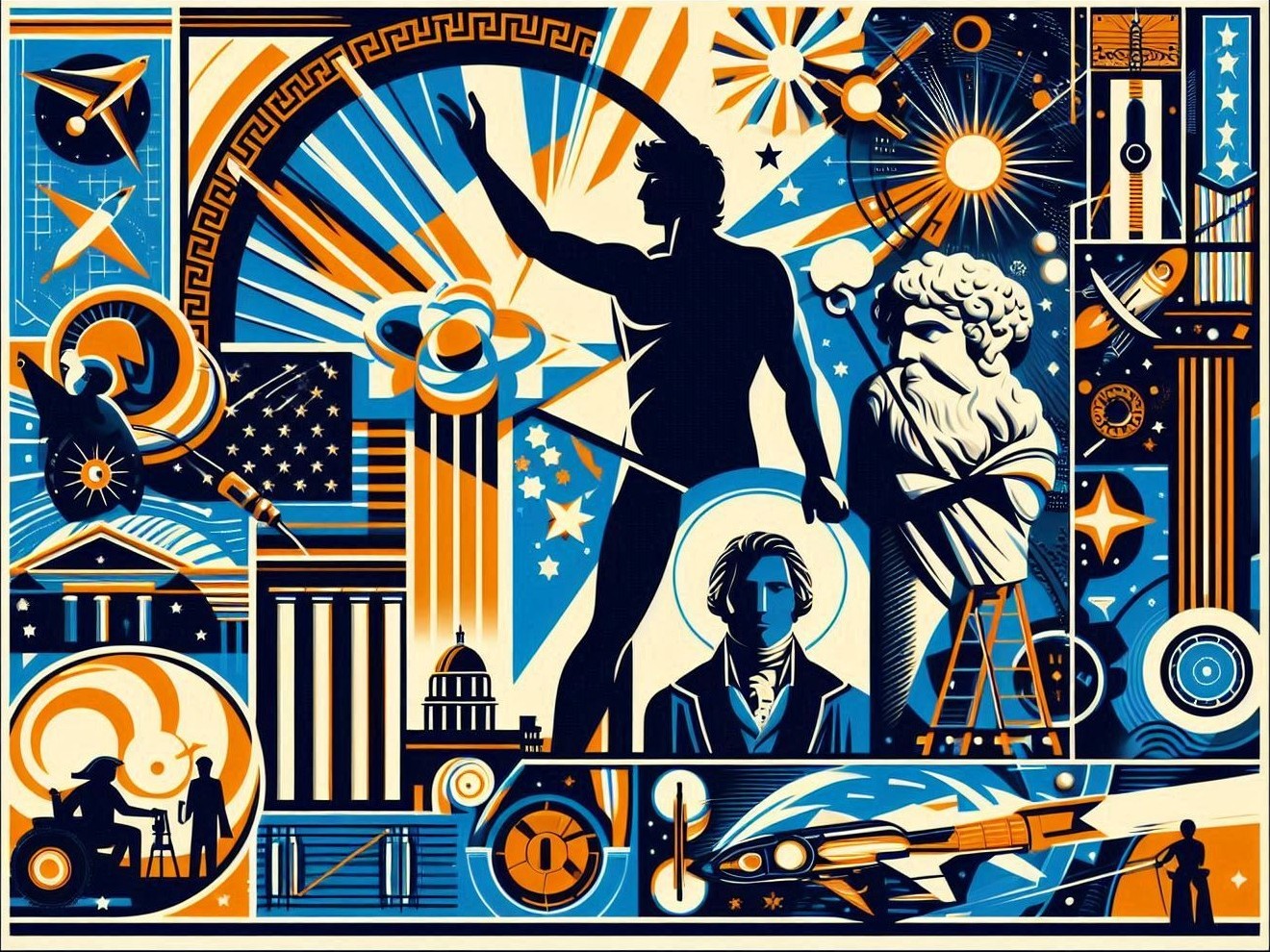
Every society is built on myths. Myths are stories and legends about the history of that society. Those myths shape the culture in the present. Societal elites and nobles with money and power propagate myths that they want the culture to adopt. The elites create (or fund the creation of) stories to mythologize themselves to maintain and increase their wealth and power in the future.
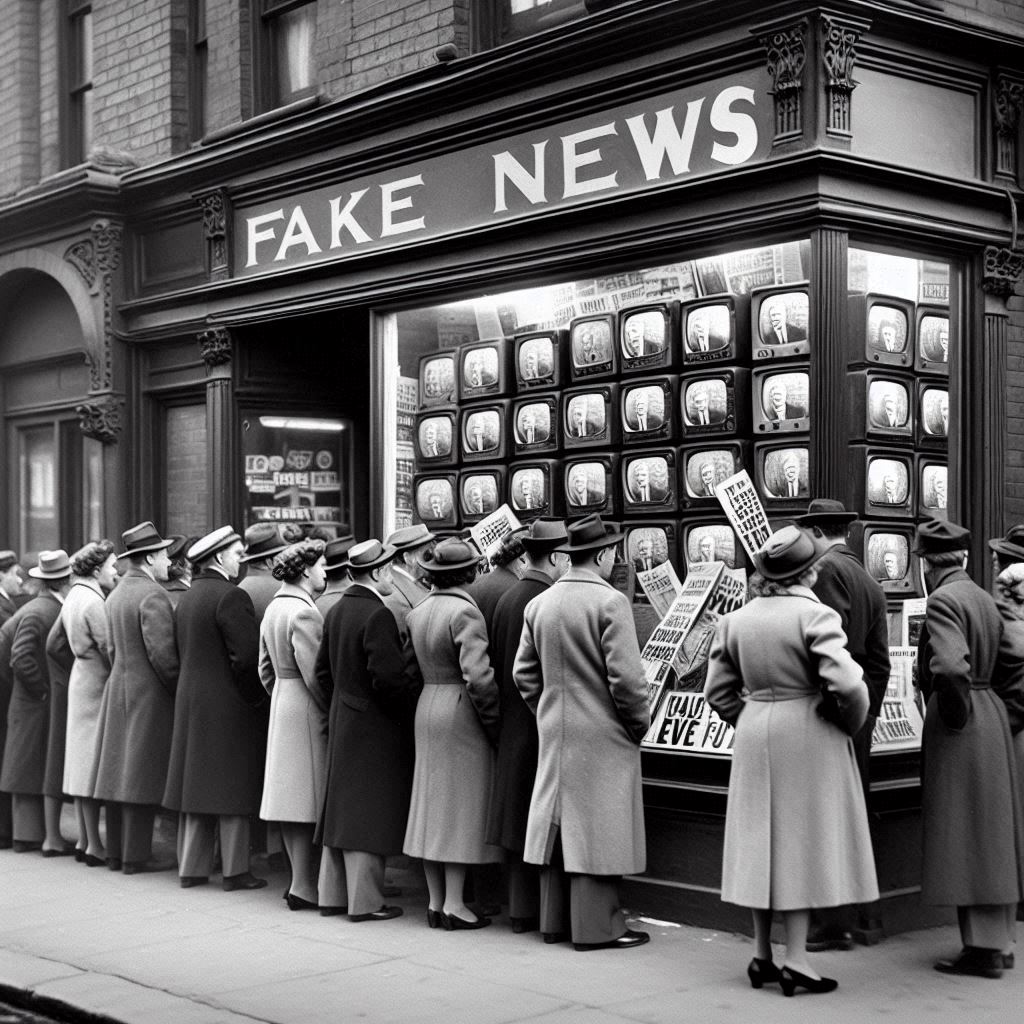
Many people today think America is more polarized than ever due to social media and the proliferation of fake news on the internet. But the country was just as polarized (if not more so) in the 1770s and 1860s when there were major wars fought between fellow citizens on American soil. Those were times before television and radio, when newspapers were the only form of media. The early American era was more akin to the present, with rival sources from each side of the political spectrum giving biased news to their bases. The difference then was political conflicts were more localized. Each town had multiple competing local newspapers, so political attention was more regional, as opposed to a national bipolar culture war between two diametrically opposed tribes. The advent of decentralized mass media on the internet allowed that.
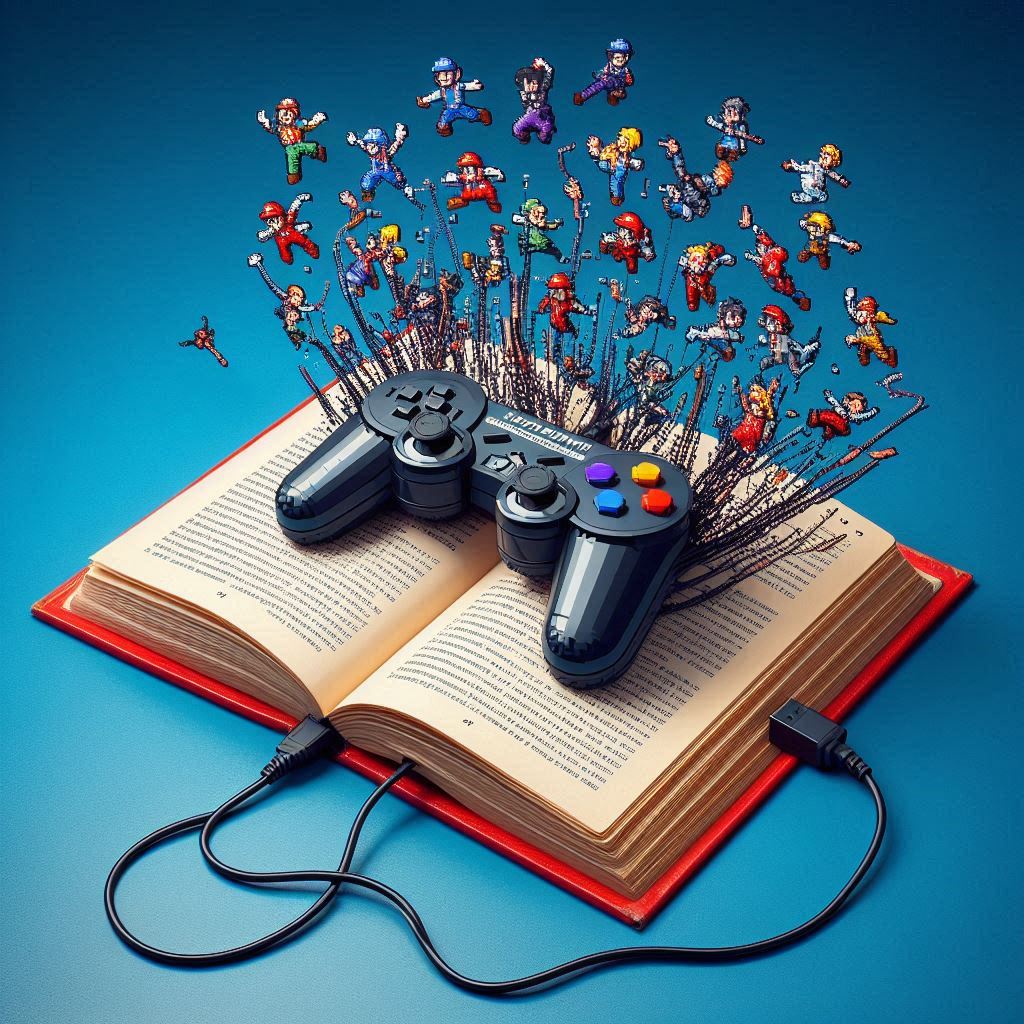
Stories can be great, and video games can be great, but video games are not the greatest medium for stories. This realization came to me after seeing the television adaptation of The Last of Us. I played the post-apocalyptic video game around the time it first came out in 2013, when it was hailed as one of “the best video games ever.” While I had some fun playing the game, I thought it was overrated and undeserving of its massive hype. The gameplay itself didn’t feel all that fun or inventive. Instead, what was so critically acclaimed was not the gameplay but the story.
Generation-Z is the first generation to grow up entirely online. For as long as Zoomers can remember, the internet has been ubiquitous and pervasive to daily life through smartphones. As a result, Gen-Z has no consensus culture—no TV shows, movies, or music they all consumed growing up. Everything had fractured into thousands of subcultures on the internet. Each Zoomer is an island. There may be another person who shares all your same niche cultural interests, but you are unlikely to ever randomly meet that person in person. You will only ever “meet” that person online. This fragmentation of culture is not necessarily good or bad. It just is. And it is different from every other generation that came before.
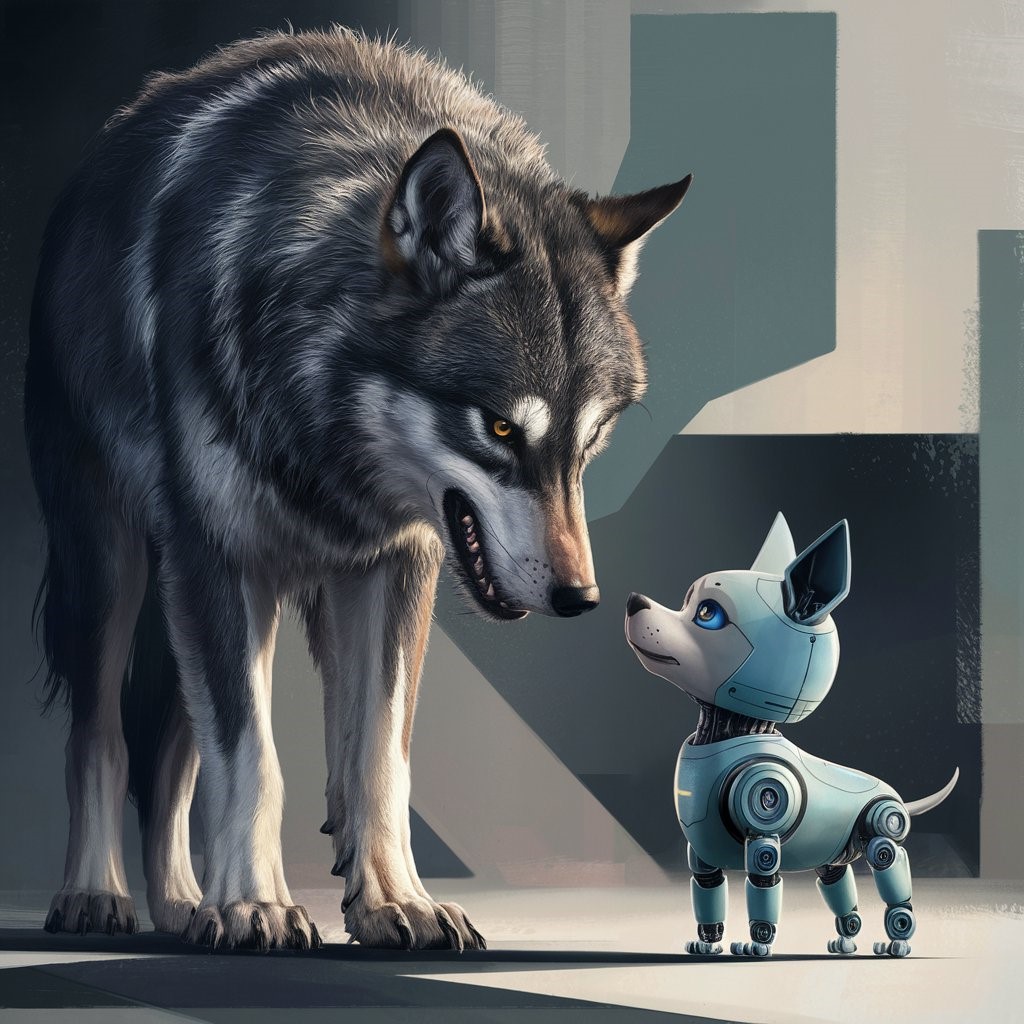
As artificial intelligence advances, many people are worrying about where it will lead. What happens if and when AI becomes more intelligent than humans? Will it grow beyond our control and have a will of its own? Will artificial general intelligence (AGI) result in the end of human civilization? To prevent such doom, AI must be aligned with humanity.
First there was AI images, then there was AI text. It was only a matter of time until AI music came along—and with Suno, it is here. The AI music generator (and others such as Udio) has become my latest obsession. It is simple to use with surprisingly good results. Just enter a text prompt with a subject matter and/or musical genre, and it will quickly produce a 2-minute song of professional quality. Of course the results vary—some songs are better than others. But in a short amount of time I have already created a few gems, such as this 1980s-style electronic anthem for “Time Zone Weird” that I can’t get out of my head: