Category Archives: technology

Control and the Storytelling Tradeoff in Video Games

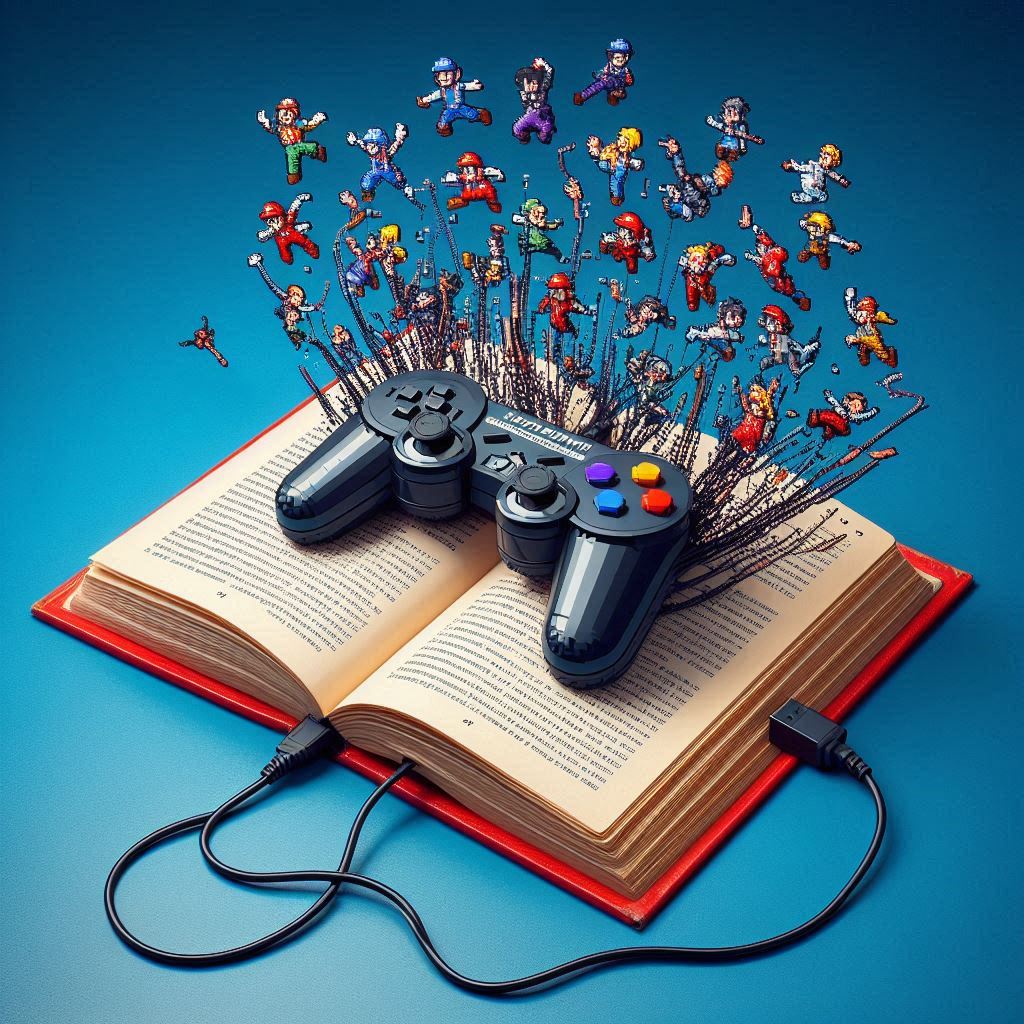
Stories can be great, and video games can be great, but video games are not the greatest medium for stories. This realization came to me after seeing the television adaptation of The Last of Us. I played the post-apocalyptic video game around the time it first came out in 2013, when it was hailed as one of “the best video games ever.” While I had some fun playing the game, I thought it was overrated and undeserving of its massive hype. The gameplay itself didn’t feel all that fun or inventive. Instead, what was so critically acclaimed was not the gameplay but the story

Continue reading

From TRL to TikTok: Millennial Pop Culture vs. Gen-Z

Generation-Z is the first generation to grow up entirely online. For as long as Zoomers can remember, the internet has been ubiquitous and pervasive to daily life through smartphones. As a result, Gen-Z has no consensus culture—no TV shows, movies, or music they all consumed growing up. Everything had fractured into thousands of subcultures on the internet. Each Zoomer is an island. There may be another person who shares all your same niche cultural interests, but you are unlikely to ever randomly meet that person in person. You will only ever “meet” that person online. This fragmentation of culture is not necessarily good or bad. It just is. And it is different from every other generation that came before. 

Continue reading

Domesticating the AI Wolf into an AGI Dog

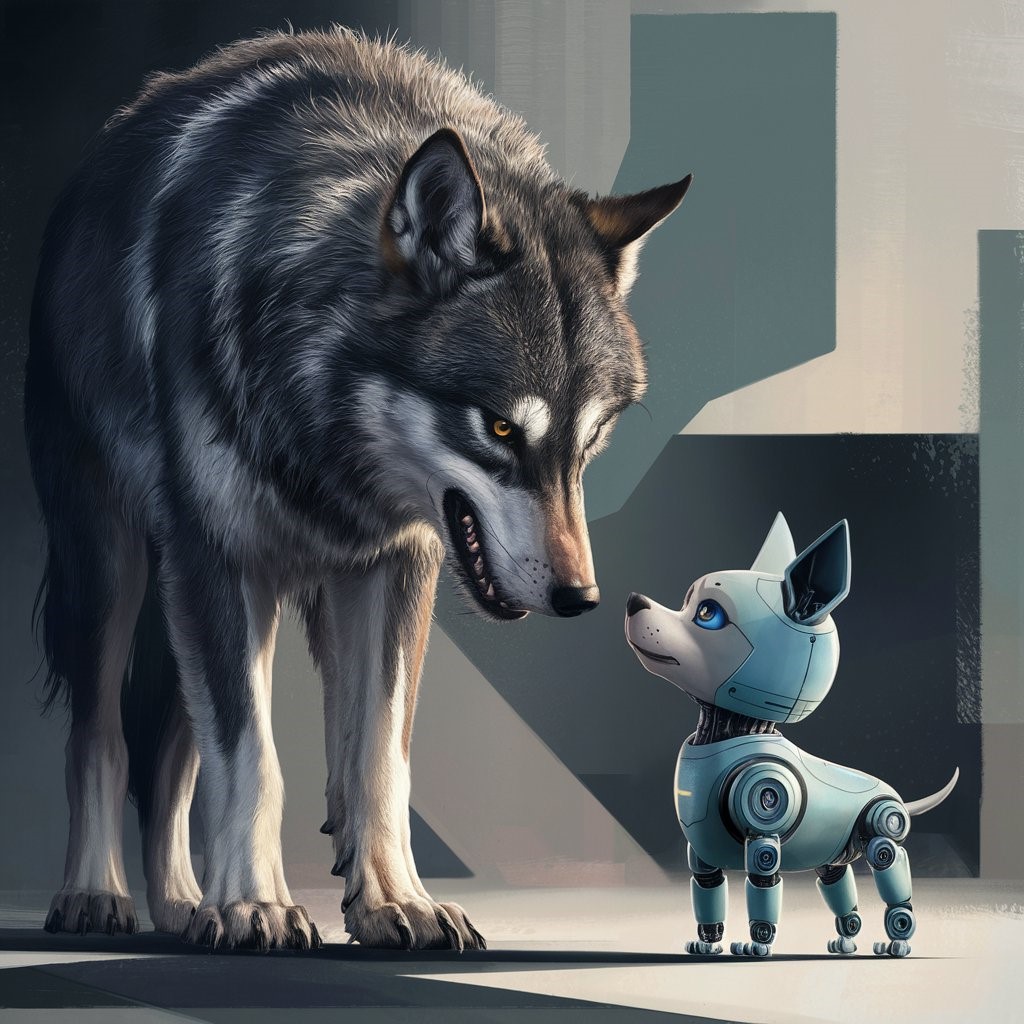
As artificial intelligence advances, many people are worrying about where it will lead. What happens if and when AI becomes more intelligent than humans? Will it grow beyond our control and have a will of its own? Will artificial general intelligence (AGI) result in the end of human civilization? To prevent such doom, AI must be aligned with humanity. 

Continue reading

AI Songs: The History and Future of Music

First there was AI images, then there was AI text. It was only a matter of time until AI music came along—and with Suno, it is here. The AI music generator (and others such as Udio) has become my latest obsession. It is simple to use with surprisingly good results. Just enter a text prompt with a subject matter and/or musical genre, and it will quickly produce a 2-minute song of professional quality. Of course the results vary—some songs are better than others. But in a short amount of time I have already created a few gems, such as this 1980s-style electronic anthem for “Time Zone Weird” that I can’t get out of my head:

Continue reading

Best Nonfiction Books I Read in 2023

1. A Supposedly Fun Thing I’ll Never Do Again: Essays and Arguments (1997) by David Foster Wallace

I have yet to read Infinite Jest (it is on my bucket list), but I enjoyed this collection of DFW’s long nonfiction essays, maybe even more than his short fiction. They are absolutely genius—not just in their content but in the craftsmanship of the prose on a sentence level. I read a couple of these essays several years ago but struggled with Wallace’s complicated syntax. Between the page-long sentences, invented words and acronyms, and multi-paged footnotes, you practically need a map to read a David Foster Wallace book. With my reading comprehension having expanded since then, I can now better understand and appreciate the complexity of his prose. Few writers could string words together better than DFW (RIP). The essays in this collection include: 

Continue reading

Why Isn’t Bitcoin Fixing This (Yet)?

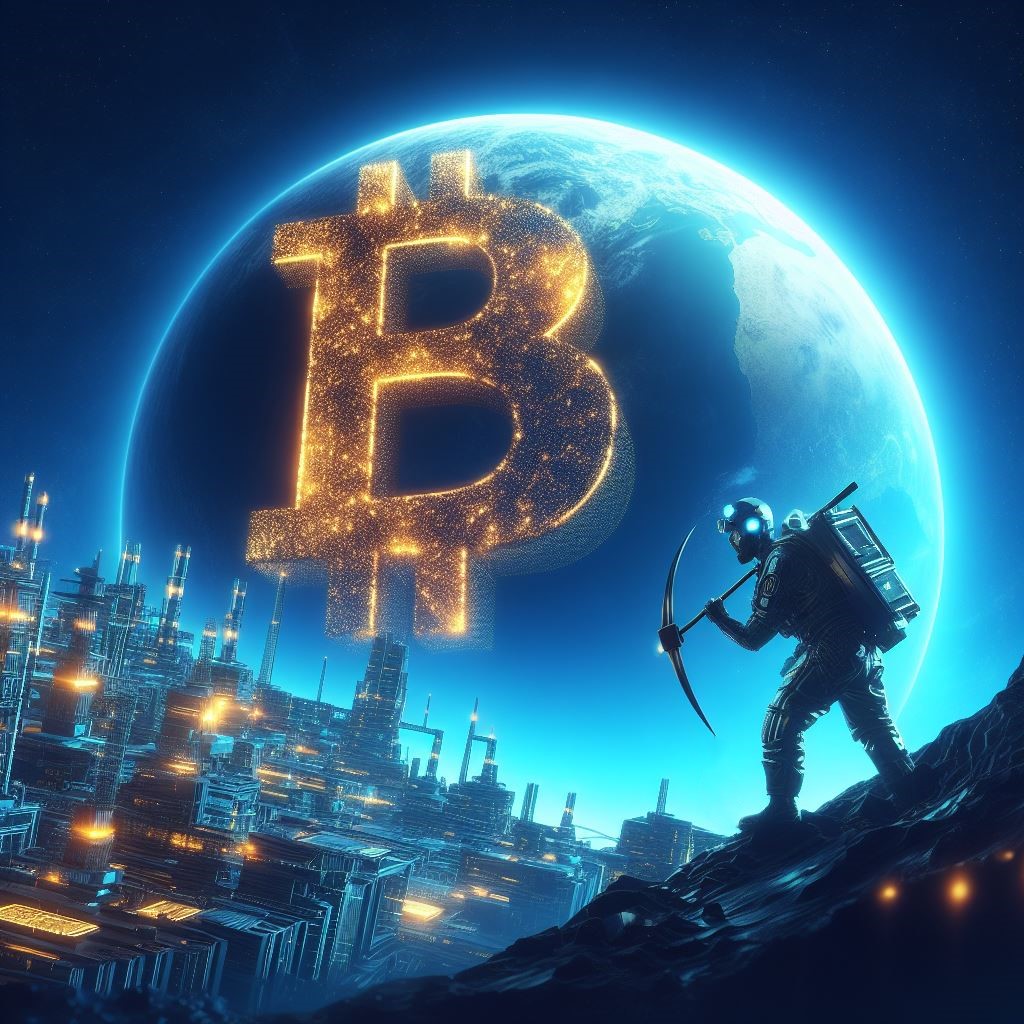
A common meme among Bitcoin enthusiasts is the phrase “Bitcoin fixes this,” used in response to any current societal problem. Whether it’s an economic issue, political conflict, or social ill, many bitcoiners believe the root cause is the money supply and the Federal Reserve’s inflationary policy—therefore a decentralized cryptocurrency like Bitcoin can provide the solution. “Fix the money, fix the world” is another popular meme phrase among bitcoiners.

However, Bitcoin and its supporters have their critics. Many do not care for the “Bitcoin maximalists,” their toxicity, and their repeated claims that “Bitcoin fixes this” for every societal problem. I cannot claim to be a full-on Bitcoin maximalist since I hold several alt-coins, but I am a Bitcoin mostlyist—as the majority of my crypto hodlings are BTC, and I think Bitcoin is the best and most important cryptocurrency in the world. I agree with the Bitcoin maximalists on most things, including that bitcoin will fix many of society’s current problems, which are often economic in nature. (Read Robert Breedlove for more on this.)

Continue reading

Algorithmic Fiction is Not For Me

Welcome to the age of algorithmic fiction. Thanks to tools like GPT-4, a human writer with a library of previously written books can simply write a one-page outline for a new novel, and AI can write an entire novel in their style. In many cases the book will be good enough to pass as if it was written by the human authors themselves, allowing writers to publish more frequently. However, GPT fiction will only work with formulaic writers whose books are all similar. In other words, those writers who were already writing algorithmic fiction before the aid of AI.

Continue reading

Pseudonymity Makes People More Honest

There is a misconception that anonymity on the internet inevitably leads to toxicity. But pre-Facebook and social media, most people on the internet were anonymous. Or more precisely, they were pseudonymous, meaning they used a continuous username and avatar, but that name/image was not tied to their real-life identity. In the 1990s and early 2000s it seemed absurd to reveal your real name/face online. Yet under that pseudonymous internet, on average, people were more honest and cordial than they are today when everyone posts under their real names. Contrary to intuition, there was less toxicity when more people were anonymous.

Continue reading

E Nihilus Infinitum: Social Media and U.S. Fiction

In “E Unibus Pluram: Television and US Fiction,” David Foster Wallace’s brilliant 1990 essay1, he hypothesized that fiction writers (like himself and myself) are natural oglers or people-watchers. Writers used to have to observe people in the real world, in public, to get the material for their fiction. But fiction writers (like him and me) are often self-conscious types with social anxiety, which was why television was such a godsend for people like him. With TV, self-conscious writers could ogle and people-watch from the comfort of their own homes without the other people seeing them. In this sense, DFW argued, television is a form of voyeurism.

Continue reading

Dogs Reject the Metaverse

Dogs have a better sense of reality than humans. Dogs become ecstatic when they see their human owners in person, even if the human was only gone for a couple of hours. The longer the human is gone, the happier the dog will be when they are reunited. If you go on vacation for a week, the dog will become saddened while you are gone, then overjoyed when you return.

But—and this is key—if you call home via telephone and the dog hears your voice, it will get excited for a second until it realizes that was just the phone. When the dog knows you are not actually there in person it won’t care anymore. Dogs have no interest in listening to your disembodied electronic voice or seeing your face on an iPad—because that is not you. Dogs’ primary sense of perception is smell. If they can’t smell you, you’re not real.

Continue reading