Writing to Relieve Anxiety

“I have now, and have had since this afternoon, a great yearning to write all my anxiety entirely out of me, write it into the depths of the paper just as it comes out of the depths of me, or write it down in such a way that I could draw what I had written into me completely.”

— Franz Kafka

Whenever something is bothering me, and I am overcome with running thoughts, the best way to relieve that anxiety is to write my thoughts down. Afterwards, I almost always feel better and the running thoughts subside. Simply writing about my fears and worries helps in easing them. Why is that?

Continue reading

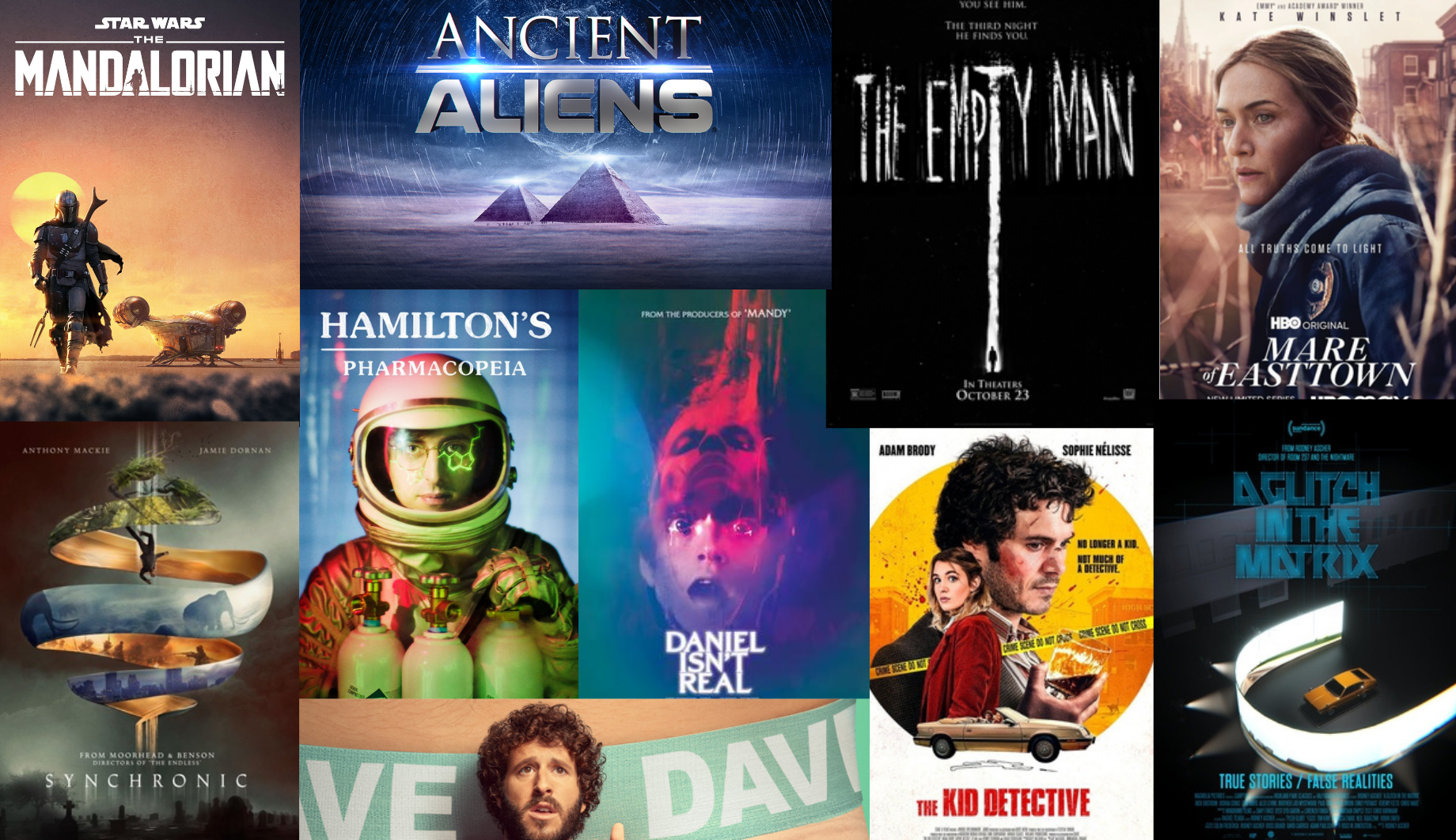
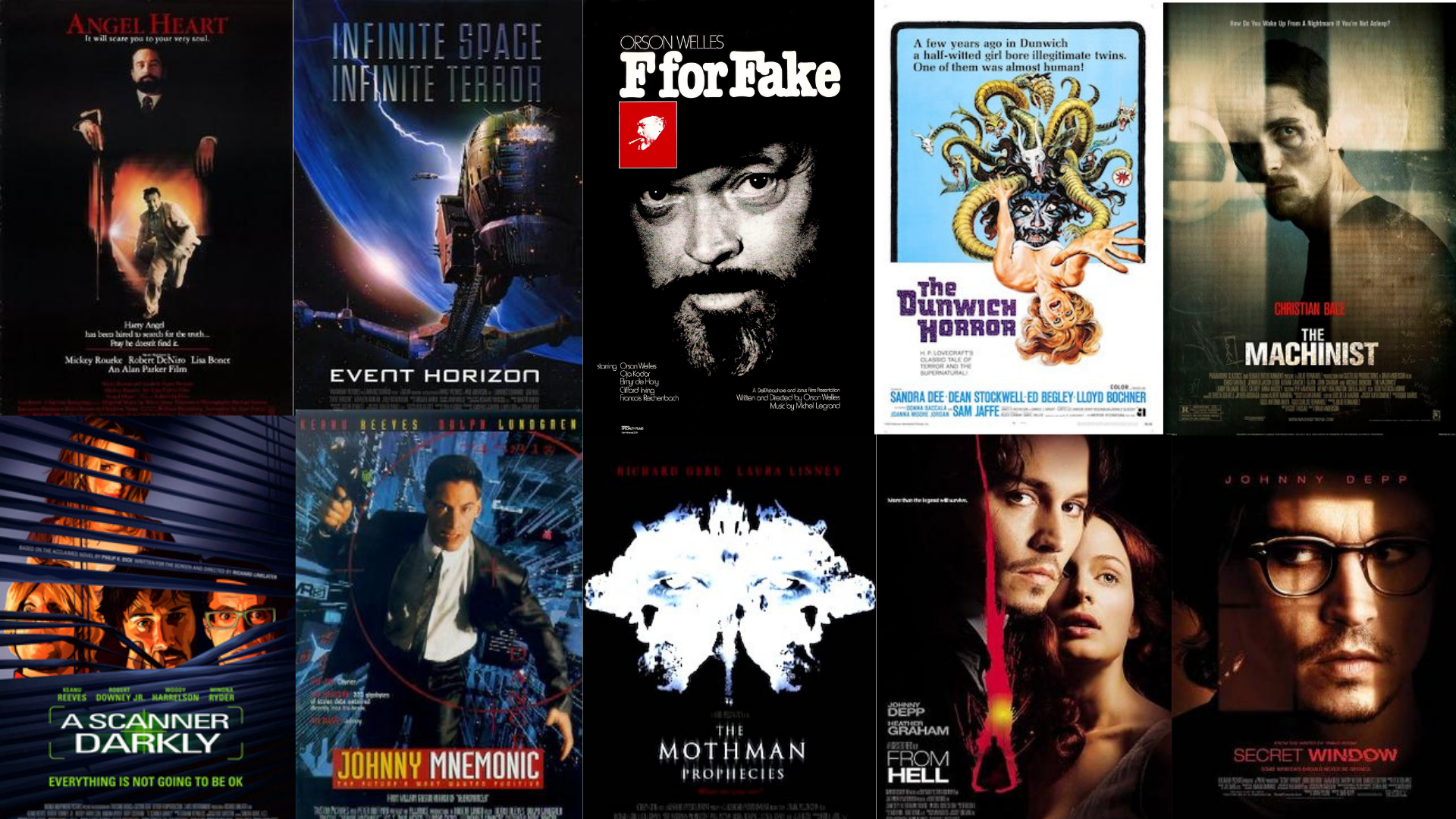
Tenet & Movies That Make You Think

Tenet is Christopher Nolan’s most ambitious film conceptually to date, which is saying something considering he made Memento, The Prestige, Inception, and Interstellar. Without spoilers, Tenet involves time travel, but it is a unique version of time travel—perhaps the most inventive form of time travel I’ve ever seen in a movie—and the most complex.

Continue reading

In Defense of Perfectionism

The statue of David is still on display to this day—over 500 years later—but would it be if Michelangelo didn’t attempt to make a perfect sculpture?

Perfectionism is a gift and a curse. Before publishing a work of fiction, I spend an inordinate amount of time rewriting and editing it, long after most writers would consider it “done” and publishable. I re-read the manuscript again and again, going over every sentence, every word and punctuation mark, making sure it is precisely as I wish.

Continue reading

Mystery is Key to Story

Mystery is the key to every successful story. Even if a story is not explicitly a mystery, it needs to have some element of mystery within it. If there’s no mystery, wherein the reader is wondering what will happen next, they have little reason to continue reading the story.

Continue reading

“Work for Idle Hands” Paperback, Plus Fun Facts About the Book

The paperback version of my new novella, Work for Idle Hands, is now available on Amazon.

Some fun facts about WFIH:

1. From Short Story to Screenplay to Novella

Work for Idle Hands was originally written in 2016 as a 9,000-word short story. At that time I was still pursuing screenwriting in tandem with prose writing, so I decided to adapt the story into a screenplay. But after unsuccessfully trying to pitch the screenplay to agents and producers, I decided to re-adapt it back into prose form, but longer since I had expanded the original short story when adapting it into movie form. This final version is a sort of amalgam of the short story and screenplay, which I expanded upon further. The final word count is triple the length of the original short story, at almost 30,000 words. I think this novella version is the best of the three. The novella may be my favorite form for a story. It is the perfect length to tell a full story and develop characters without getting bogged down by side-plots.

Continue reading

Work for Idle Hands: A Novella

Smith has been working on the assembly line at Ovivo for seventeen years, building the same steel triangles 720 times per day. He never knew what the parts were for—that was classified information—but he assumed the triangles were one small cog of a larger machine, something important and meaningful to the world in some way.

At least Smith thought so, until mistakenly entering the wrong production room one day. Inside, he would discover the workers next door disassembling the same parts he and his team put together. All his hard work, immediately undone. Why?

The revelation sets Smith on an investigative journey throughout the Ovivo factory, up the chain of corporate hierarchy, in search of what he and his co-workers are supposed to be building there and why.

The truth about Smith’s job may turn his entire world upside down—that is if he can uncover the company’s secrets without being fired… or worse.

Work for Idle Hands — a Kafkaesque science fiction mystery novella by T.Z. Barry

What is Science?

Do you believe in science, or do you not believe in science? Hopefully neither, because science is not a belief system. Science is not something you believe or don’t believe in. Neither is science a monolith. As Arthur C. Clarke said, “For every expert there is an equal and opposite expert.” Science is description, not prescription. Science does not tell you what to do—it gives you data.

Continue reading

A Manifesto to Weird

I’ve always been weird. As a child, my earliest memories from school were how I was always so much different than everyone else—not just personality-wise, being extremely shy compared to them, but also in my interests. The other kids weren’t into the things I wanted to do and talk about which was probably why I didn’t like talking to them. But the weird thing is I didn’t like being weird as a kid. I had such severe social anxiety that I wanted to fit in and be like everybody else. I was terrified of being ostracized and rejected by my peers. I didn’t want to stand out, so I would hide my weird interests from them.

Continue reading

Social Media is the New Word of Mouth

The best form of advertising is word of mouth, and the new word of mouth is social media. The aim of social media companies is to make their users spend more time on their platforms in order to generate more ad revenue. The more time people spend online, the less time they spend with other people in person, which means less time for physical “word of mouth” interactions. Today, people have more interactions with other people on the internet than in real life, making social media the new “word of mouth”. (This was true before the Covid-19 pandemic which only compounded this effect further.)

Continue reading

How to Learn How to Write Fiction

Writing fiction is not something that can be taught with a simple “how-to” book. A creative artistic endeavor like fiction writing is something you have to learn by doing yourself. Each writer is different—at least the good ones are—therefore their method to write fiction is different. So this post is not “how to write fiction like others” but “how to teach yourself to write fiction your own way.”

Continue reading