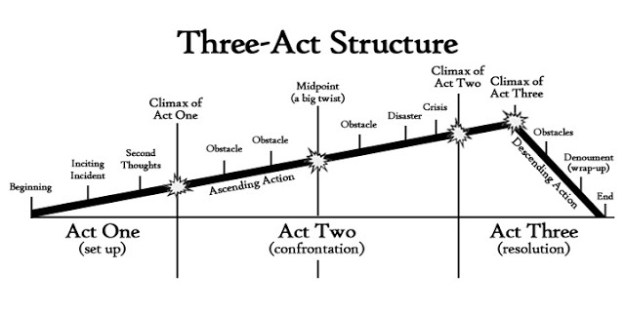
One of the big debates in writing fiction is plotting versus pantsing. Outlining your story ahead of time, or making it up as you go along. Continue reading

One of the big debates in writing fiction is plotting versus pantsing. Outlining your story ahead of time, or making it up as you go along. Continue reading

They say writing is rewriting. Well, I love writing, but I hate rewriting.
The first draft is my favorite part of the process. While it’s often difficult, I enjoy the challenge because it’s pure creativity. Rewriting and editing, on the other hand, feels like drudgery. I know it’s important and makes the work better, but I just want to get it over with and move on to the next project and write something new. Continue reading
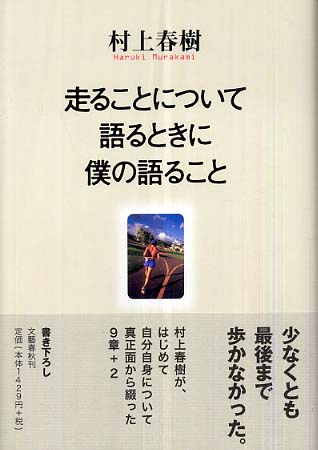
I briefly talked about Haruki Murakami’s memoir, What I Talk About When I Talk About Running, in my “Top Ten Books I Read in 2016” post, but I thought this book was worth expanding on, particularly Murakami’s passages about his introversion. Continue reading
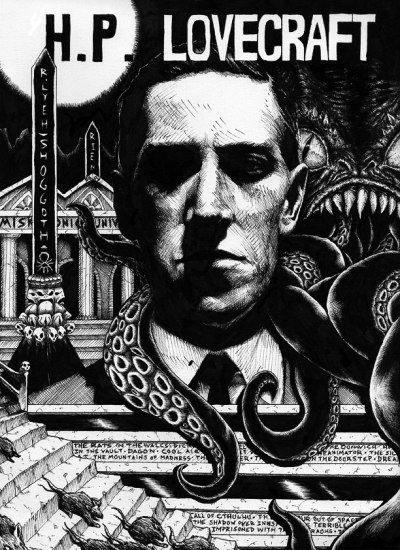
The late great horror writer H.P. Lovecraft once said, “The oldest and strongest emotion of mankind is fear, and the oldest and strongest kind of fear is fear of the unknown.” He may not have been referring to social anxiety, but he could have been. Continue reading

A common question that writers are asked is, “Where do you get your ideas?” Most writers seem to hate the question because they have no clear answer. I can understand that. Sometimes an idea just comes to me, and I’m not quite sure where it came from. But other times, I can trace the source of the idea. I’ll see a great movie or read a great book and get inspired to write something as good. Or I’ll see a bad movie or read a poor book and get inspired to write something better. Or I’ll take one small nugget from a fictional story, or from real life, and expand upon it. But there’s more to it than that. Thinking of ideas requires…well…thinking. Literally devoting time to daydreaming and brainstorming ideas. Continue reading

I recently rewatched Memento, and even though I’ve seen the film several times before, I was still blown away. Christopher Nolan is my favorite filmmaker. Memento, The Prestige, The Dark Knight, Inception, and Interstellar, are some of my favorite movies of all time. Continue reading

The End of the Tour follows Rolling Stone reporter David Lipsky as he travelled with writer David Foster Wallace during the tour for his highly acclaimed novel, Infinite Jest. Like much of Wallace’s work, the film touches on the writer’s self-consciousness, existentialism, addiction, anxiety, and depression, which ultimately led to his suicide in 2008 at the age of 46. Continue reading
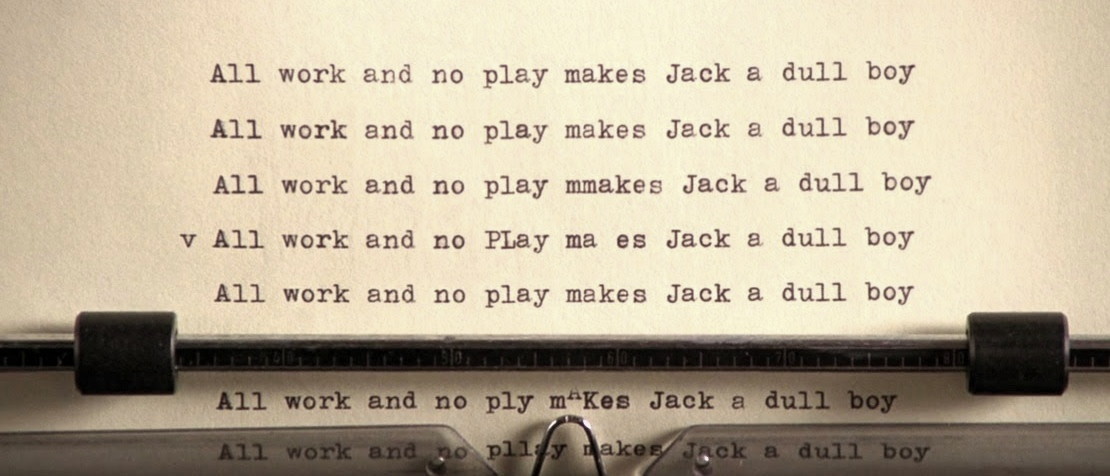
Many writers complain about writer’s block, but that’s never really been a problem for me. I have so much stuff I want to write, but not enough time to write it. I suffer from the opposite of writer’s block— writer’s guilt. Continue reading

Franz Kafka is often cited as a famous figure who suffered from social anxiety. Kafka was never officially diagnosed with social anxiety disorder during his lifetime, as such a diagnosis didn’t technically exist yet. The social anxiety speculation comes from Kafka’s personal diaries and letters. I’ve already written about the themes of social anxiety present in Kafka’s novella, The Metamorphosis, but if you still have any doubts as to whether or not the author actually had social anxiety disorder, look no further than these following quotes of his. Continue reading

Die Verwandlung a.k.a. The Metamorphosis a.k.a. The Transformation
by Franz Kafka
Published: 1915
Read the eBook for free: http://www.gutenberg.org/ebooks/5200 or Buy the Paperback
The Metamorphosis is a novella about Gregor Samsa, a traveling salesman who wakes up one day to find himself transforming into a giant insect. As his transformation progresses, Gregor locks himself in his room, quits his job, and isolates himself from his family and the rest of society. Gregor’s parents and sister are repulsed as he becomes less and less human and more and more insect-like, until finally in the end…
(SPOILER ALERT)
…he dies.
Based on Franz Kafka’s diaries and letters, scholars agree that the author suffered from depression and social anxiety throughout his life. The Metamorphosis could therefore be interpreted as Kafka’s way of writing about his mental state. With that in mind, could the “metamorphosis” in The Metamorphosis be a metaphor for someone developing social anxiety? (Talk about meta…) Continue reading
 T.Z. Barry