Tag Archives: storytelling

The Art of Storytelling and Developing Your Voice as a Writer

Storytelling is the key to good fiction. What is storytelling? It is the way you tell a story. A story is not merely a plot plus characters. If you give ten writers the same plot and characters, you will end up with ten wildly different stories (of varying levels of quality). That is where the talent of storytelling enters the equation. You can have a compelling plot and interesting characters, but if you don’t have a skilled storyteller to deliver those elements you’re not going to have a good story. It is not just a matter of being able to compose grammatically clean prose—ChatGPT can do that. Good storytelling is composing the story, from sentence to sentence, in a compelling way.

Continue reading

Putting Messages in Fiction

People often say that if you want to include a didactic message in your fiction story, then you should just write an essay. Which is true—but not because essays are better, or because art can’t have a message. But messages should be put in essays rather than art, more due to the audience of the medium than the medium itself.

Continue reading

True Detective Redux

Season one of True Detective was one of my favorite television shows of all time. I was disappointed by the second season but thought the third was a return to form—not quite as good as the original, but a worthy successor. The fourth season, True Detective: Night Country was no longer being run by the original creator Nic Pizzolatto, so my expectations lowered, though I was still optimistic it could be good. I love the general format of True Detective, with each season being a self-contained miniseries following new detectives who investigate a murder case. I hate TV shows that go on forever, so the best thing about True Detective is you are guaranteed an ending

Continue reading

Control and the Storytelling Tradeoff in Video Games

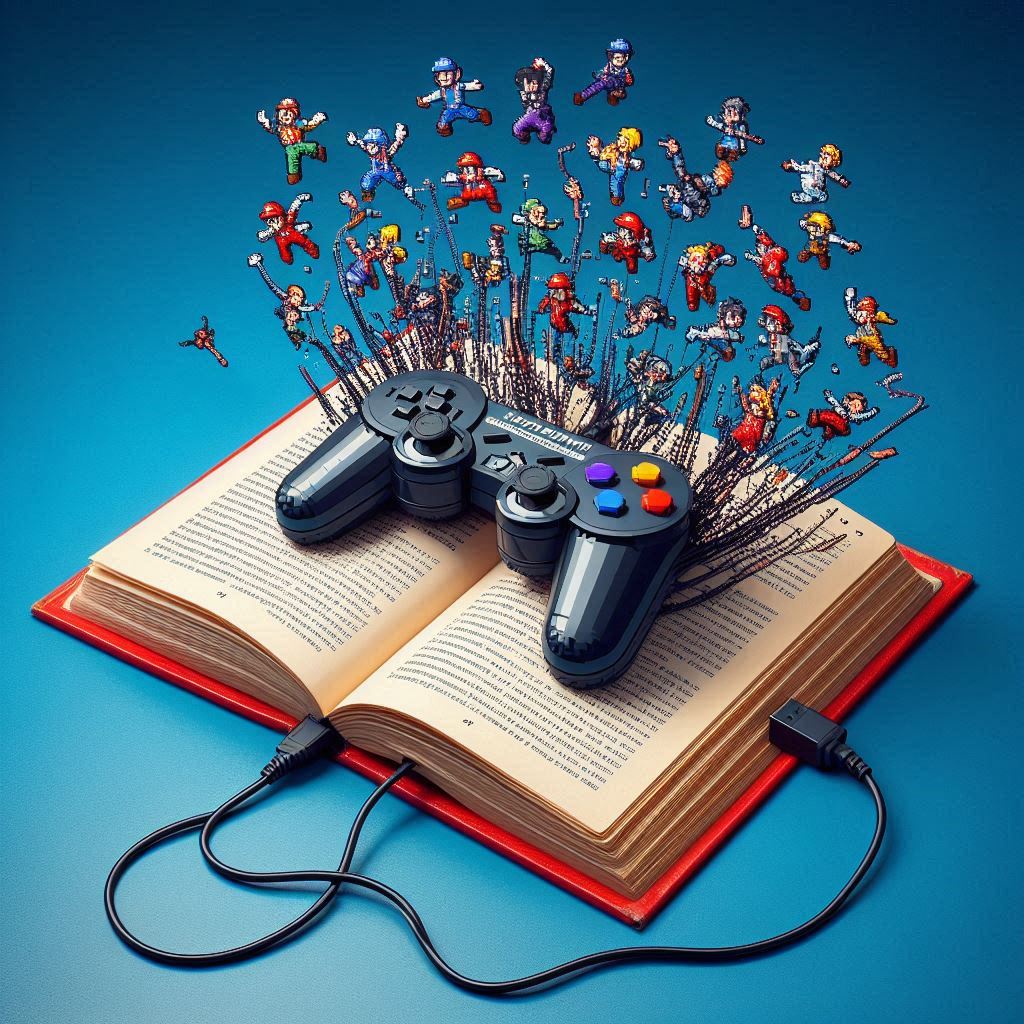
Stories can be great, and video games can be great, but video games are not the greatest medium for stories. This realization came to me after seeing the television adaptation of The Last of Us. I played the post-apocalyptic video game around the time it first came out in 2013, when it was hailed as one of “the best video games ever.” While I had some fun playing the game, I thought it was overrated and undeserving of its massive hype. The gameplay itself didn’t feel all that fun or inventive. Instead, what was so critically acclaimed was not the gameplay but the story

Continue reading

What is it Like to be a Coyote?

One day while hiking I encountered a couple of coyotes along the trail. At first I got frightened, wondering if they were dangerous. But the coyotes just stood still, watching me from a distance and minding their own business. I walked away, continuing along the trail, while googling for information on my phone. With relief, I learned coyotes rarely ever attack adult humans—only small pets and children. (So don’t leave them out alone in coyote-populated areas.)

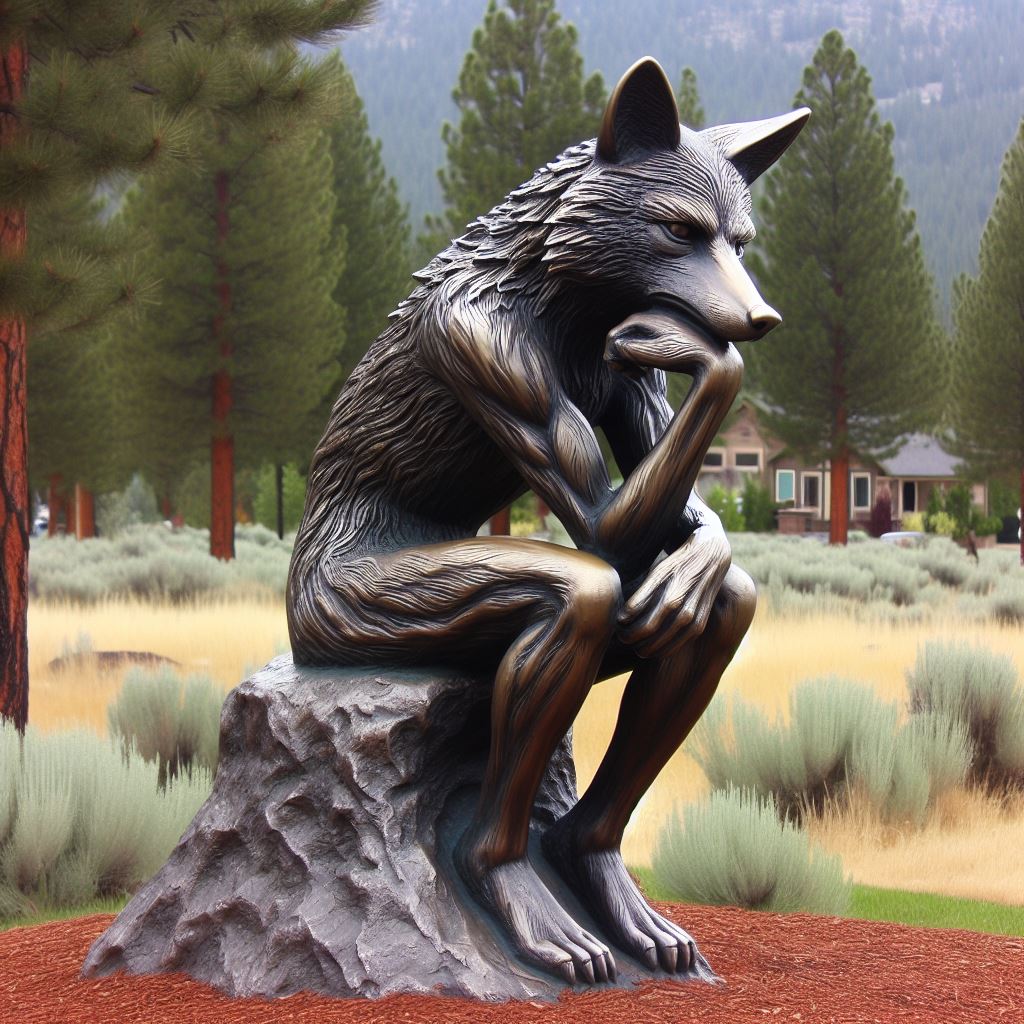
I then started wondering what it feels like to be a coyote. What was going through that creature’s mind as it watched me hiking by. Is anything going through its mind? What I mean to say is, are coyotes conscious? But not just consciousness as subjective experience, or the classic definition by Thomas Nagel—that there is something that it is like to be that thing. I mean are coyotes—or dogs, cats, and any animals other than humans—conscious in the same way humans are, with self-awareness, an inner monologue, and imagination? Does any species besides Homo Sapiens possess “sapience?”

Continue reading

To Plan or To Pants? Writing Advice on Plotting vs Pantsing

There are essentially two types of writers: plotters and pantsers. Those who outline their plot beforehand, and those who write from the seat of their pants (AKA go in blind and make everything up as they go along). I said in the past that I was an outliner, but I now outline less than I used to. 

Outlines make it easier to know where you have to go in the plot. But one benefit of writing from the seat of your pants is that you are motivated to write more often and faster because you want to know what happens next. If the full story is thoroughly outlined, writing can become more of a tedious transcription-like process with little surprise for the writer. Less planning can create more fun, though I don’t know if I would recommend that approach to someone who doesn’t have sufficient writing experience

Continue reading

Best Nonfiction Books I Read in 2023

1. A Supposedly Fun Thing I’ll Never Do Again: Essays and Arguments (1997) by David Foster Wallace

I have yet to read Infinite Jest (it is on my bucket list), but I enjoyed this collection of DFW’s long nonfiction essays, maybe even more than his short fiction. They are absolutely genius—not just in their content but in the craftsmanship of the prose on a sentence level. I read a couple of these essays several years ago but struggled with Wallace’s complicated syntax. Between the page-long sentences, invented words and acronyms, and multi-paged footnotes, you practically need a map to read a David Foster Wallace book. With my reading comprehension having expanded since then, I can now better understand and appreciate the complexity of his prose. Few writers could string words together better than DFW (RIP). The essays in this collection include: 

Continue reading

Top 10 Movies (At Least 10 Years Old) I Watched in 2023

With 2023 winding down, it is time for my annual list of the ten best movies (at least ten years old) that I watched this past year. As always, this is not a list of the best movies ever, just those I chose to watch in 2023. I ranked the top ten, but the order doesn’t matter as much as the “tiers,” which I separated into five groups: I) Cinematic Masterpieces, II) Great Films, III) Just Good, IV) Flawed But Watchable, and V) Disappointing (Don’t Bother). The ordering of films within each tier are interchangeable. [Use JustWatch.com to see if/where these films are currently streaming.]

Tier I: Cinematic Masterpieces 

1. Aguirre, the Wrath of God (1972) – Directed by Werner Herzog

This is an amazing piece of cinema. It feels like a documentary following actual Spanish conquistadors in the 16th century searching for El Dorado. The opening shot is stunning, as hundreds of people descend a steep mountain trail carrying all their supplies. With so many of today’s movies shot on green-screen using CGI, the verisimilitude of this film was a breath of fresh air—literally. You feel like you are there in the verdant jungles of the Amazon with the actors—because the film was shot on location in the jungles of the Amazon. As a result, you feel the same constant dread that the crew felt, of trekking into the complete unknown, not knowing what danger may be lurking in the thick forest or around the next river bend. 

Continue reading

Indiana Jones and the Rewatching of Movies

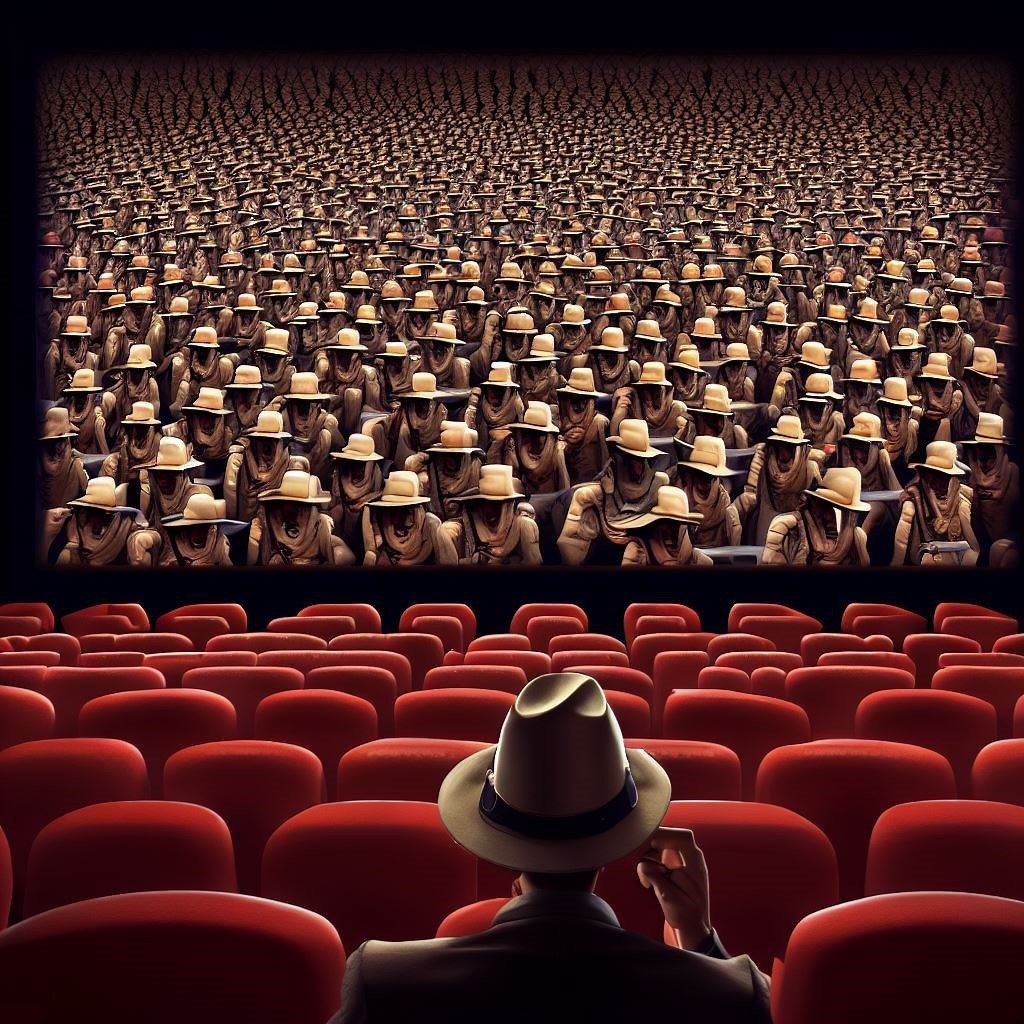
I used to work at a job where I had to watch cable TV all day. (It sounds more fun than it was.) One of the networks I had to watch would often replay the same movies over and over again. At that time I was studying screenwriting and wanted to write movies myself, so it was instructive to watch a single movie multiple times to deconstruct it and figure out what the filmmakers did right or wrong, how and why. I tend to avoid rewatching movies unless it’s one of my absolute favorites, and even then, only years later when I don’t remember it too well. But for this job, I wound up seeing the same movie multiple times in a single day, or two days in a row, or several times over the course of a week/month/year. I saw both good movies and bad movies this way—and some movies that I thought were good when I first saw them, but by the fifth or tenth time realized it wasn’t very good in the first place. One movie (or group of movies) that I repeatedly watched at my job was the Indiana Jones franchise. 

Continue reading

AI Art & the Simulacra of Simulacrum

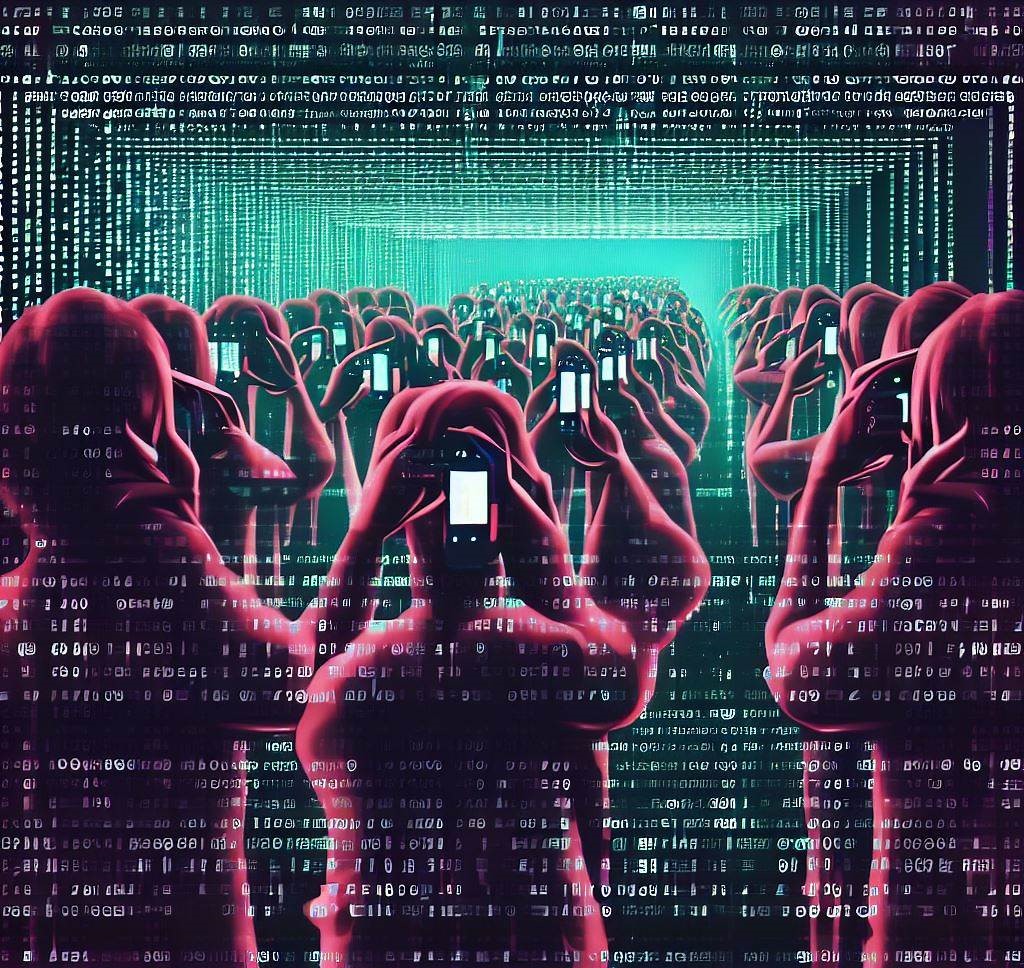
There is growing concern that the proliferation of generative AI will remove humans from the equation of creativity because eventually most art will be AI-generated images based on previous AI-generated images until all art is simulacra with no connection to reality. But in a way, this has already happened—before the invention of AI art.

Continue reading