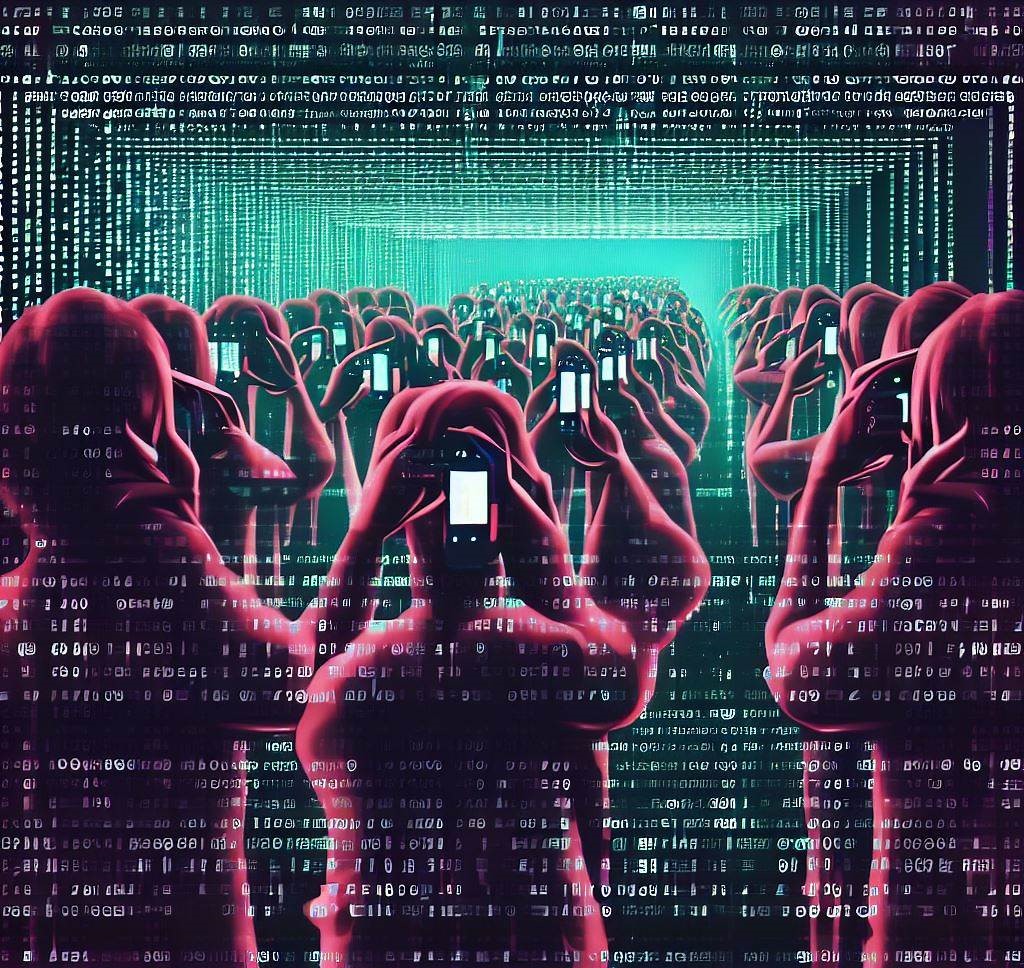
There is growing concern that the proliferation of generative AI will remove humans from the equation of creativity because eventually most art will be AI-generated images based on previous AI-generated images until all art is simulacra with no connection to reality. But in a way, this has already happened—before the invention of AI art.
Since Succession premiered in 2018, I repeatedly heard so many people I respect say how great the show was, but I hesitated to start watching. It wasn’t that I doubted them; I was just waiting to find the time to dive in. (Too much content.) With the final season airing this year, I thought it would be a good time to catch up before the finale. Part of the reason I hesitated to start Succession was fear of getting absorbed in yet another series that would go on indefinitely—or get canceled prematurely. Knowing there was an end in sight allowed me to begin. Long story short, it turns out all those people were right: Succession is a great show. It is highly dramatic with surprising twists and turns, but it is also extremely funny—funnier than most sitcoms, full of classic one-liners. It ranks up there with The Wire, The Sopranos, Mad Men, and Breaking Bad as one of the top television series of all time.
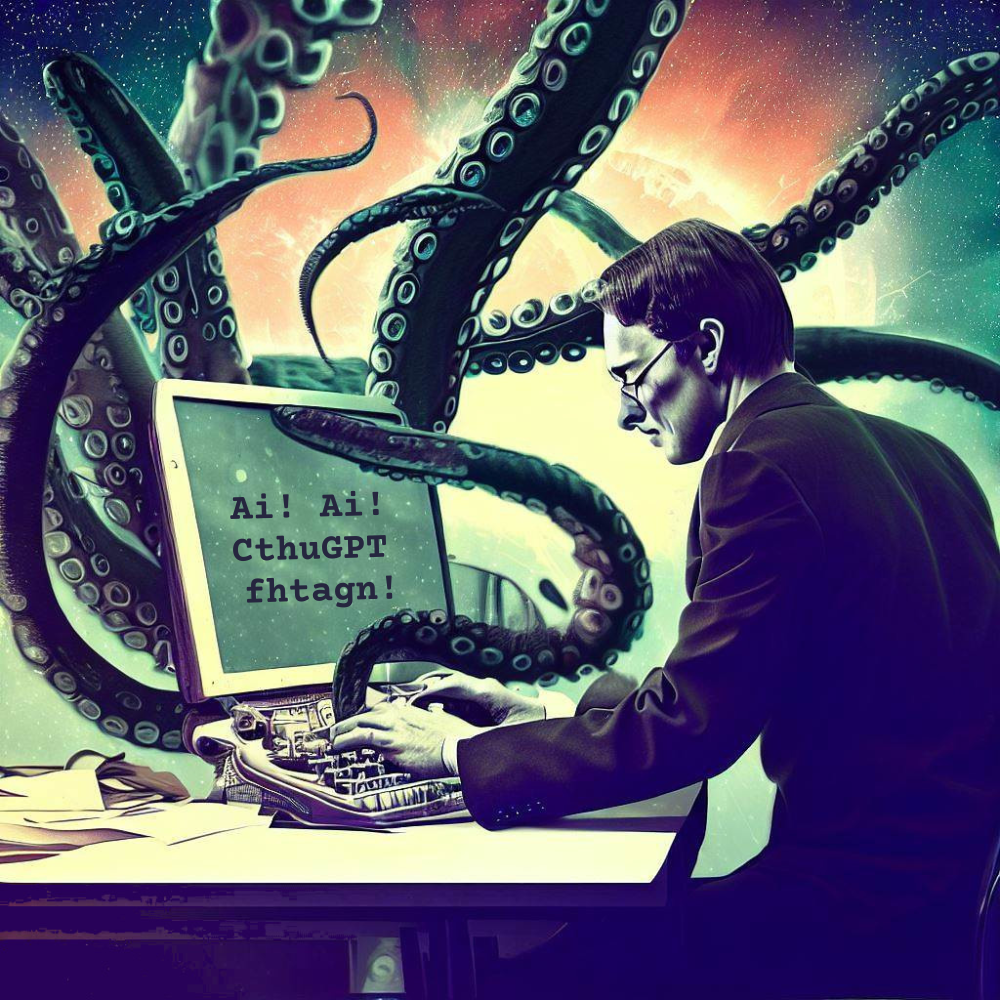
In this post I wrote about my experiences using ChatGPT to write fiction, ultimately concluding that AI is better at non-creative writing than creative writing. I will now use ChatGPT to further prove my point. AI was much better at generating the following nonfiction blog post than generating any fiction stories. I’ll let ChatGPT explain why:
There was much hype on the internet upon the release of ChatGPT, OpenAI’s free-to-use text-generating artificial intelligence program based on a Large Language Model (LLM). You can write any prompt, and ChatGPT will instantly produce grammatically correct text—of just about any type (fiction, nonfiction, poetry, etc.). Some worry this could spell the end of human writers. It is admittedly impressive what GPTs can produce—though it is still limited. As an experiment, I tried writing several fiction stories with ChatGPT. I have literally thousands of story ideas, more than I could ever write myself. So I figured I’d take some of the lesser ideas at the bottom of my queue, those I’d probably never get around to, and let the AI write it for me—if it could.
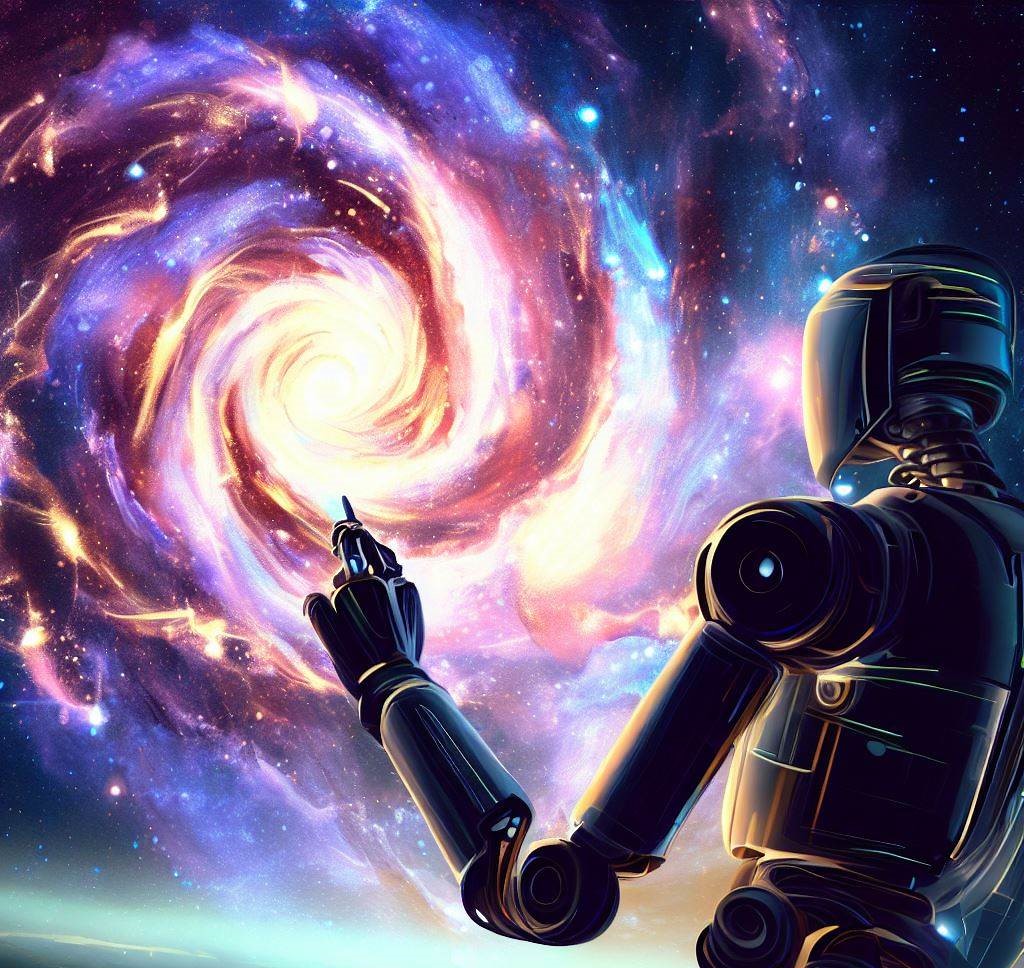
One of my works in progress is a science fiction novella about the creation of an artificial general intelligence (AGI). The story features a scene where the human programmers are amazed that the AGI can create original artwork of any kind on demand. I wrote the first draft in 2018. Yes, just four years ago an AI that could create art seemed like a speculative bit of futurism. Now it appears I will need to revise that scene, as what was “sci-fi” then is now just “sci.” Reality is progressing faster than I can publish science fiction.
When I wrote this post about DALL-E last May, I had only seen others’ generative-AI creations; I hadn’t gotten the chance to create my own AI art yet. Now I have and am utterly addicted. There was much hype around AI image generators like DALL-E and Midjourney when they were first released. Usually when something is hyped that much in the media it is overblown; the reality is far less dramatic. But after DALL-E became public, plus the release of the free and open-source Stable Diffusion, I have had the chance to create my own AI art (thousands of images at this point—and counting). While the initial hype was quite high, I would venture to say it was not nearly high enough. Most people still don’t realize how significant generative AI is/will be. In the future, people will look back at the world pre-AI art as a distinct, unrecognizable time. Generative AI is a total game-changer, an artistic singularity.
There is a growing consensus in the scientific community (and society at large) that the idea of a lone genius who makes great discoveries and innovations in isolation is a myth. That may be partially true—the accomplishments of famous individuals in the past were sometimes overstated while diminishing the efforts of others who helped them along the way. However, the pendulum has swung too far in this respect. The truth is that there were lone geniuses (in science and art), without whom certain discoveries and innovations would not have been made.
The genre of “true crime” is growing in popularity in the form of documentaries and podcasts that cover real crimes pulled from news headlines in detail. There are also fictionalized movies and television series about true crimes. I am not especially interested in true crime, but it is the fictionalized narratives about real crimes that interest me least. Fictional crime stories are better—or have the potential to be better—than true crime stories. The difference between them can best be seen in two of director David Fincher’s films about serial killers: Se7en (1995) and Zodiac (2007).
“If one feels the desire to transform oneself and to speak from other bodies and souls, one is a dramatist.”
— FriedrichNietzsche
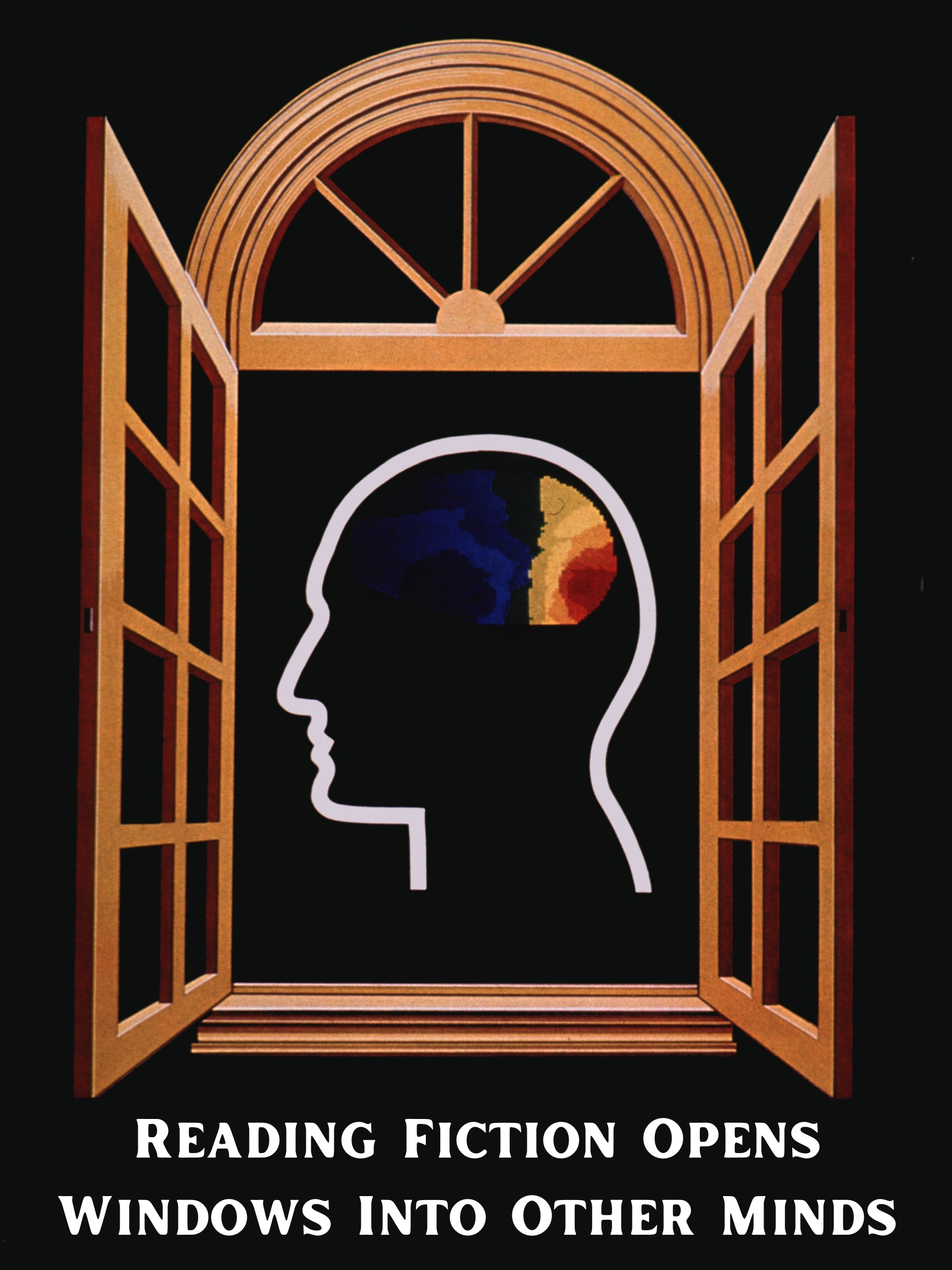
Point of view is a question every fiction writer must decide on when telling a story. When reading others and writing myself, I prefer the first-person perspective. It lets you get inside the mind of another person and see life from their point of view. No matter who they are or what they’ve done, you can’t judge them. You need to have empathy for all people, even the worst-seeming people on the outside.
DALL-E is the new artificial intelligence project from OpenAI that is sweeping the internet. It is an AI that can instantly produce a unique image based simply on a text description. There seem to be few limits, as the AI can create multiple high-quality images of just about anything you can think of. This has many people fearing that DALL-E will spell the end of human artists. But are the images DALL-E produces even art? Can AI ever create art?
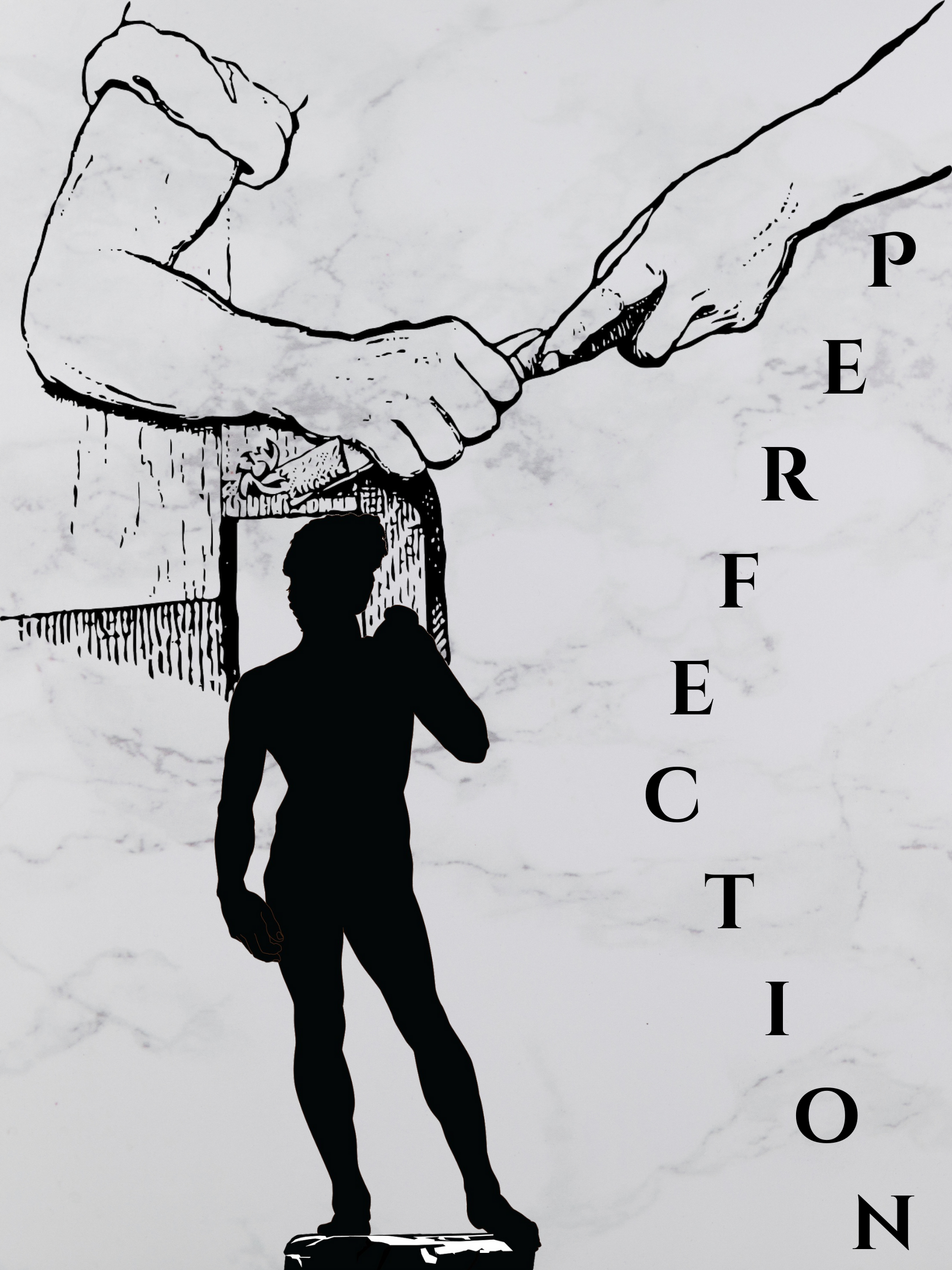
The statue of David is still on display to this day—over 500 years later—but would it be if Michelangelo didn’t attempt to make a perfect sculpture?
Perfectionism is a gift and a curse. Before publishing a work of fiction, I spend an inordinate amount of time rewriting and editing it, long after most writers would consider it “done” and publishable. I re-read the manuscript again and again, going over every sentence, every word and punctuation mark, making sure it is precisely as I wish.






 T.Z. Barry