
The future of movies will be the present of books. Filmmaking will become like self-publishing today in the sense that anybody can easily do it entirely by themselves.
Continue reading
The future of movies will be the present of books. Filmmaking will become like self-publishing today in the sense that anybody can easily do it entirely by themselves.
Continue reading
With the conclusion of the latest Star Wars trilogy, and supposedly the end of the Skywalker saga, I’ve been thinking about the series as a whole and its legacy. I liked each movie in the new trilogy upon first watching them. They were all enjoyable and exciting in-theater experiences with seemingly had everything you’d want in a Star Wars story: the Force, the Dark Side, lightsabers, space battles, aliens, planets, robots, Jedi, Sith, old masters, young apprentices, new characters, old characters, science fiction concepts, and more. I truly had a great time watching each movie the first time around, but it was only upon later reflection that I realized the parts didn’t quite add up to the whole. The acting, writing, and direction were all top-notch, especially compared to episodes 1-3, but the problem with this new trilogy, and the one area where the prequels were superior, is perhaps the most important part of all: story. Continue reading
Since a child, I always loved movies and television more than books or any other kind of art. Film was my favorite form of art because it encapsulated all other art forms: music, photography, cinematography, acting, writing, storytelling, painting, makeup, clothing, fashion, costumes, sculpture, props, architecture, computer graphics, animation, etc… The list goes on. That’s why there are so many names at the end of a movie. Almost all those people are artists in their own right, contributing to the master artwork that is the film. Continue reading
Black Mirror is the future. I don’t mean the dystopian technological prophecies in the show will come true (though many of them might). I mean the format of 50 to 70-minute self-contained stories are the future of film and television storytelling. Continue reading
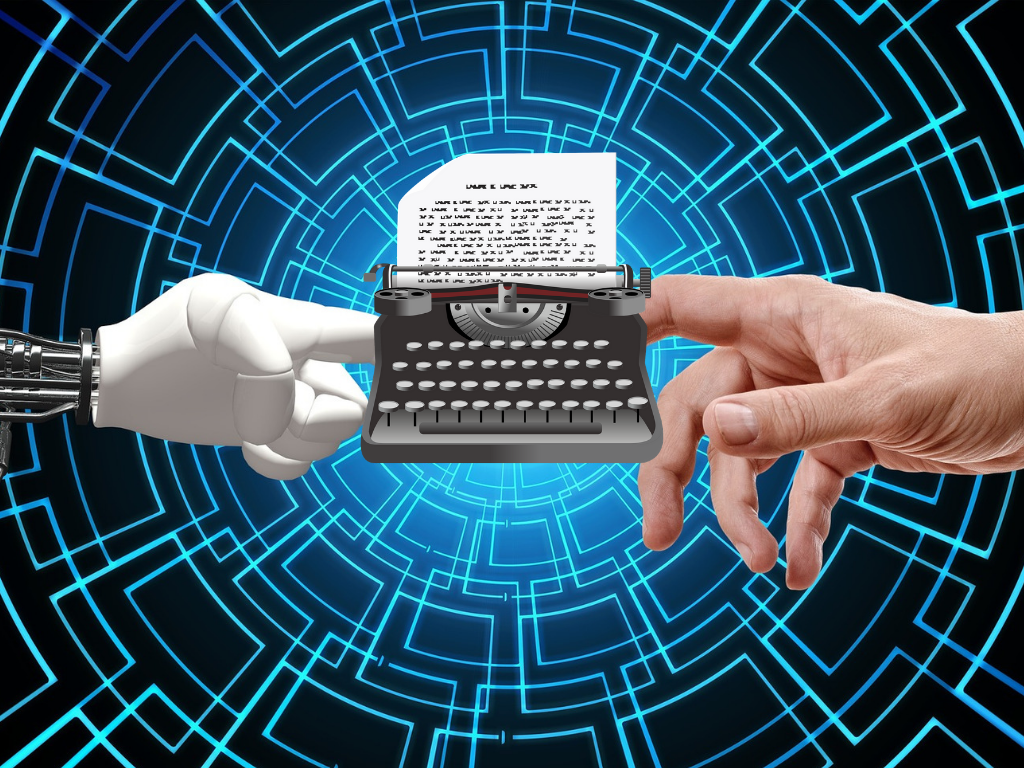
In the future, I envision artificial intelligence (AI) becoming so advanced, that it could not only write a screenplay but convert it into a fully computer-generated (CGI) movie that looks 100% real. And it could do it all instantly—for free. Continue reading
Anxiety is a product of imagination. We imagine potential scenarios in which all sorts of negative things might happen. This can manifest in various types of anxiety, such as a fear of flying: imagining all they ways a plane might crash. Or a fear of heights, spiders, confined places, etc. It’s the same with the type of fear I struggled with: social anxiety. Continue reading
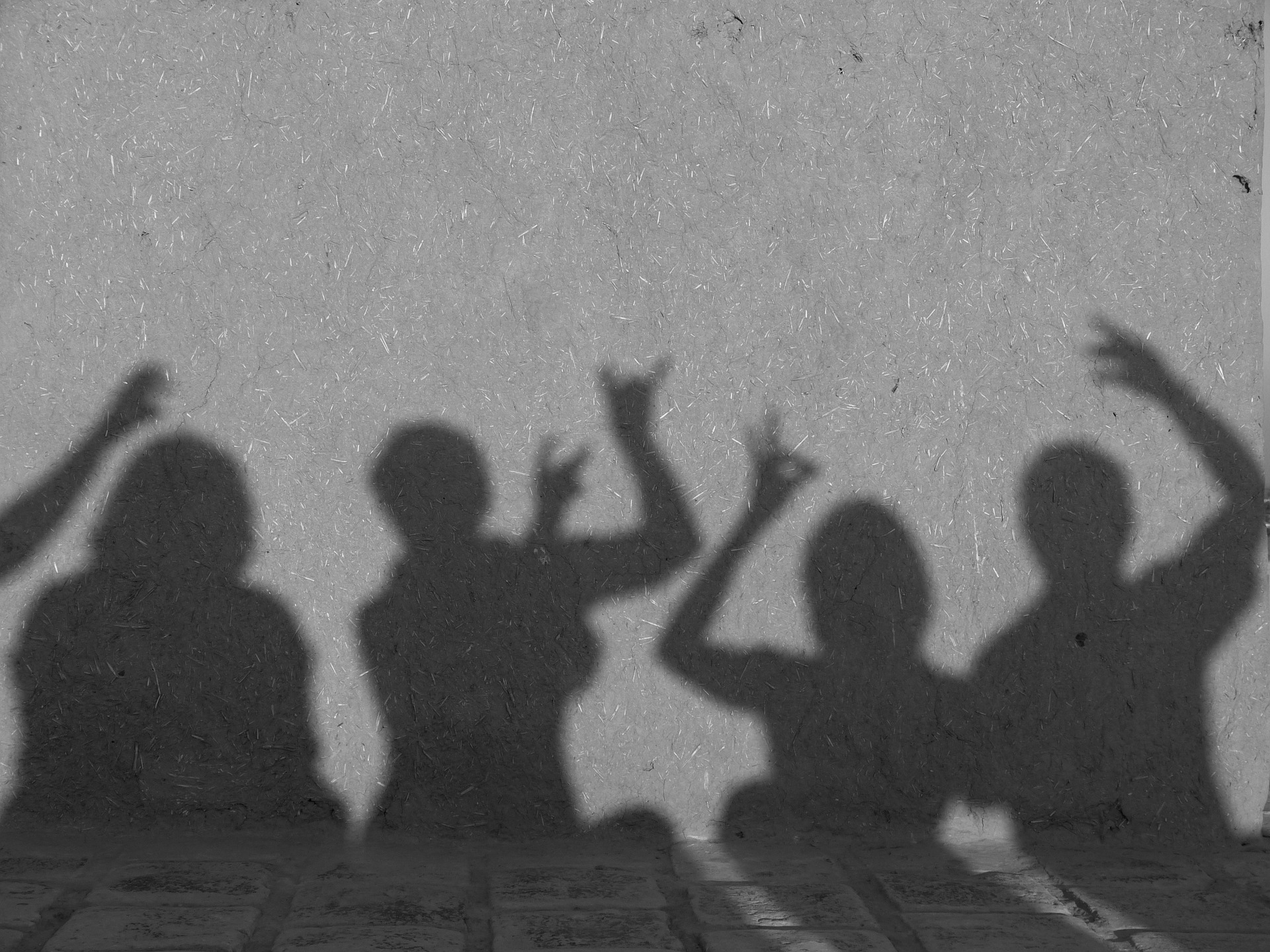
Shadow puppets on cave walls were one of the earliest forms of visual storytelling, or in other words, the first movies. Visual stories are the simplest and most basic form of storytelling, which is why people love movies so much today. Continue reading

One of the big debates in writing fiction is plotting versus pantsing. Outlining your story ahead of time, or making it up as you go along. Continue reading

I recently listened to an episode of the Broken Projector podcast that featured an interview with a Hollywood literary manager. He talked about what he looks for in a prospective screenwriter client and gave some good advice, chief of which is to “write a great script,” but I was a bit disheartened by something else he said. Continue reading

I recently rewatched Memento, and even though I’ve seen the film several times before, I was still blown away. Christopher Nolan is my favorite filmmaker. Memento, The Prestige, The Dark Knight, Inception, and Interstellar, are some of my favorite movies of all time. Continue reading


