Category Archives: Philosophy

The Ceramic Jet

When I was in the seventh grade, we had an art class assignment to make a small sculpture out of clay. It could be anything we wanted. I was fascinated by fighter jets at the time, partly inspired by the recent movie Independence Day, so I decided to make an F-16. We had art class one day a week, so I molded the clay over several weeks into a fighter jet about the size of my hand. Once it was hardened I painted it. After the paint dried, my work of art was completed and ready to be taken home.

Continue reading

90s AIM vs Current Social Media

In the late 1990s, AOL instant messenger (AIM) was the first social network I used, and it is still my favorite form of social media. What was different about AIM is that it was more social, whereas modern social media is more parasocial.

Continue reading

The Bright Side of Deepfakes

AI is continually getting better at creating “deepfakes” of real people. A deepfake is an AI-generated image or video that depicts real people saying and doing things they did not actually do. Such deepfakes have fooled viewers into believing the scenes depicted to be real. Many are understandably alarmed about these developments in AI and fear the implications for the future—the political chaos and societal upheaval deepfakes may cause. While such negative outcomes are a worrisome threat, there is an upside to deepfakes as well.

Continue reading

The Government as a Pizza

The US government is like a pizza that everyone agrees tastes terrible. The Democrats and Republicans in Congress argue over whether to add rainbow sprinkles or chocolate sprinkles to make it taste better. Libertarians1 insist neither will make it taste better—sprinkles shouldn’t even be on a pizza. Besides, you’ve got all these other toppings on it already, which don’t go together at all: marshmallows, licorice, mayonnaise, and jelly. But the real problem is the dough is stale and the cheese is rotten. Besides, there are healthier things to be eating than pizza.

Continue reading

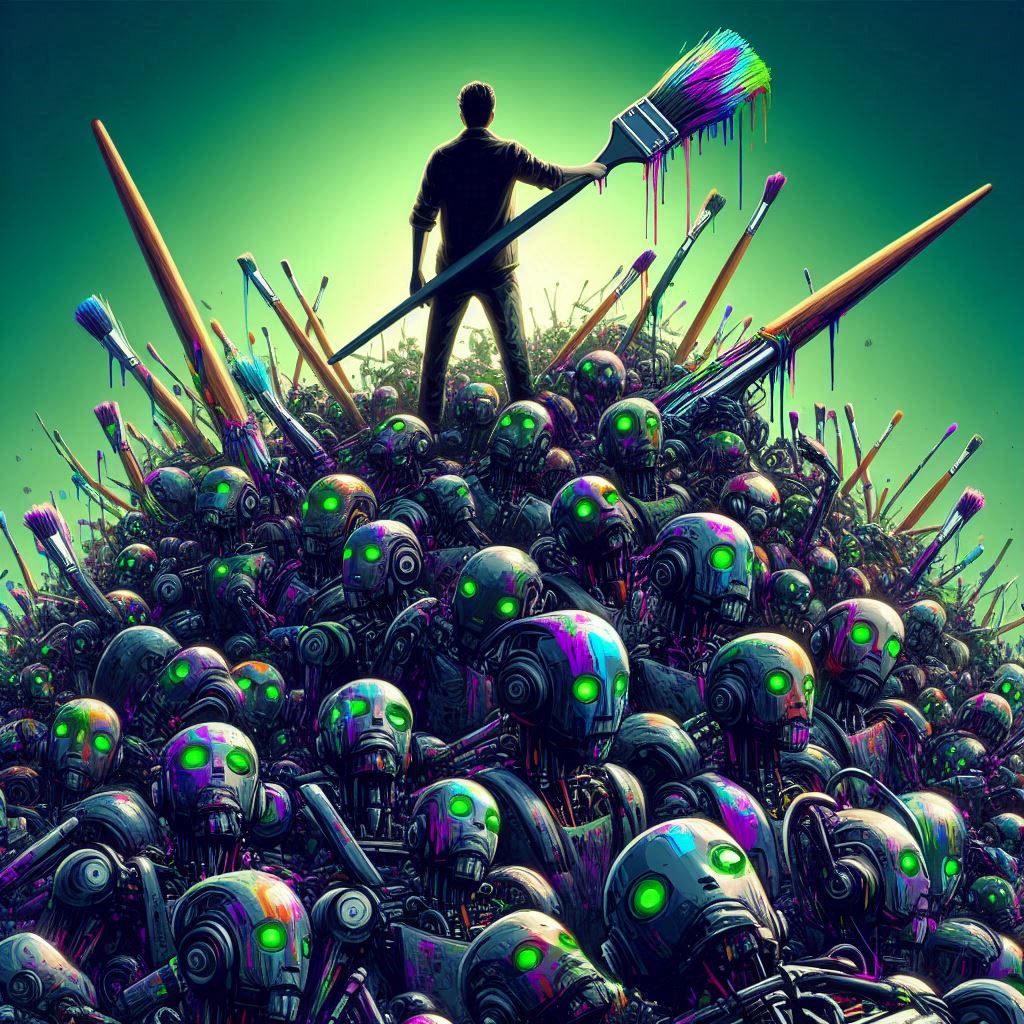
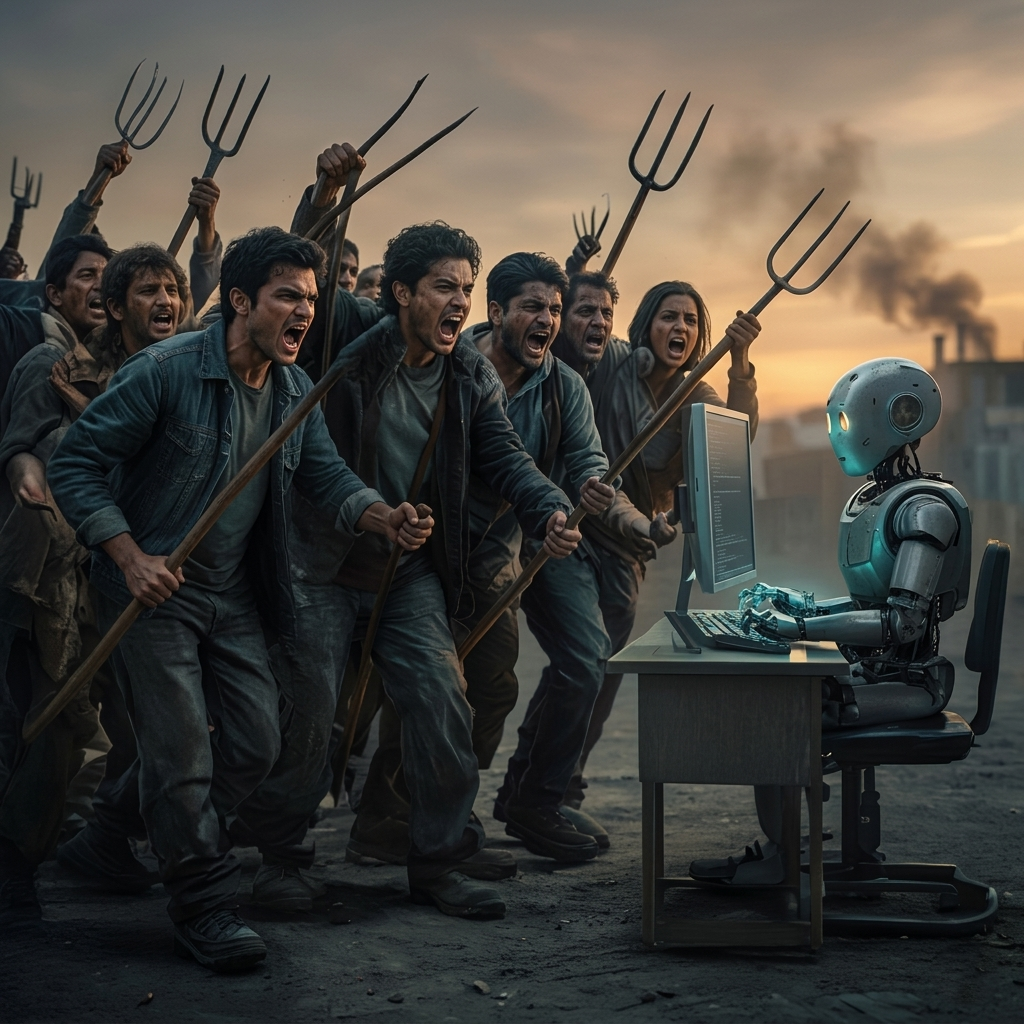
Human Creativity Beats AI in the Future

In the future, only creative people will survive. There will be no jobs. Even art could be better done by robots and AI. But humans can still be creative. And they can find purpose in creating art or music or businesses or hobbies. Anyone who is not creative will essentially be a human robot (but a less productive version of the actual robots).

Continue reading

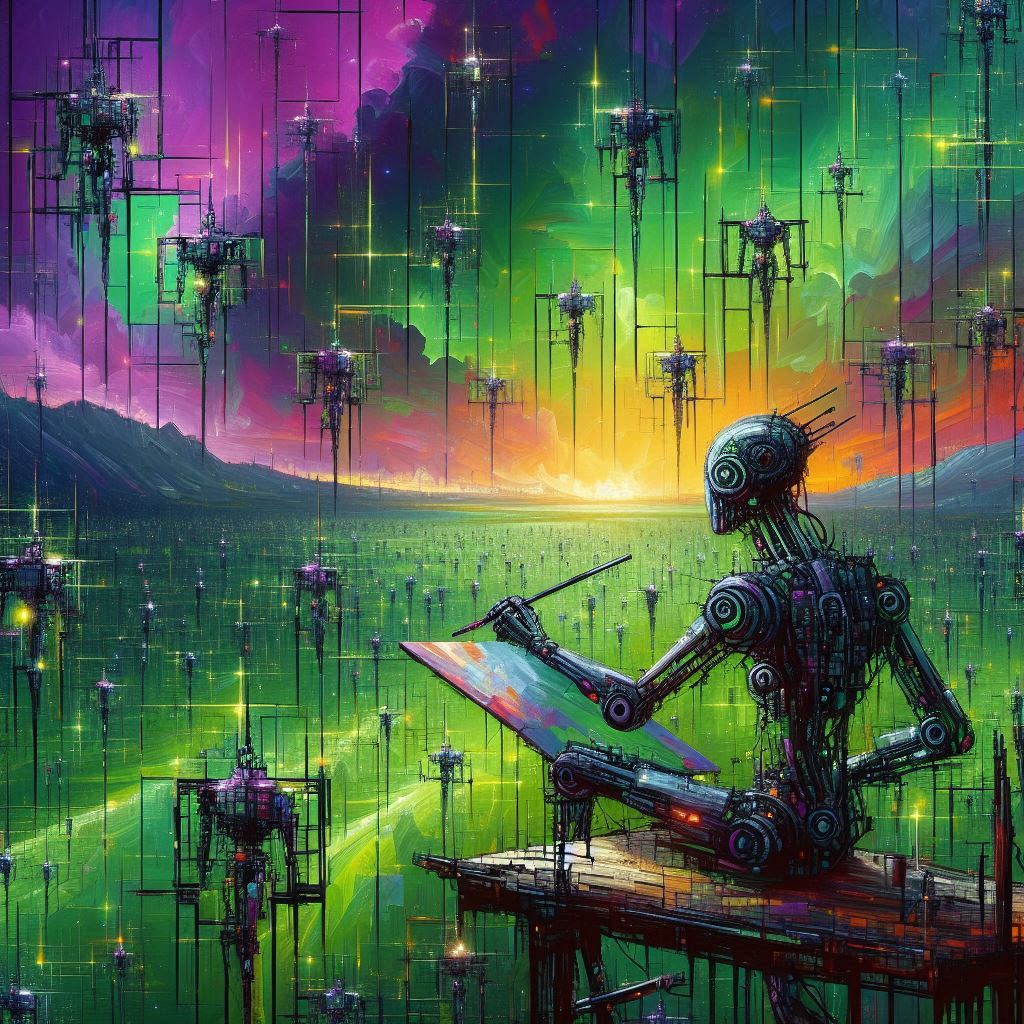
When AI Creates “Perfect” Art for You

In the future, it may be possible for AI to create art (including books, movies, music, and videogames) that is so perfectly attuned to an individual’s preferences, perhaps even directly using brain scans to determine the precise ingredients that will give the person the ultimate entertainment experience (like from David Foster Wallace’s Infinite Jest), whatever that may be for the particular individual. This AI would essentially create better art than humans—not that it would be objectively better than anything created by humans, but it would be subjectively better to that one particular human for whom the artwork is specifically created for. And AI could conceivably do this for every single human in the world: create unique works of art tailored to be the best work of art for that individual (whatever the criteria for “best” is for them). How could human artists compete with that?

Continue reading

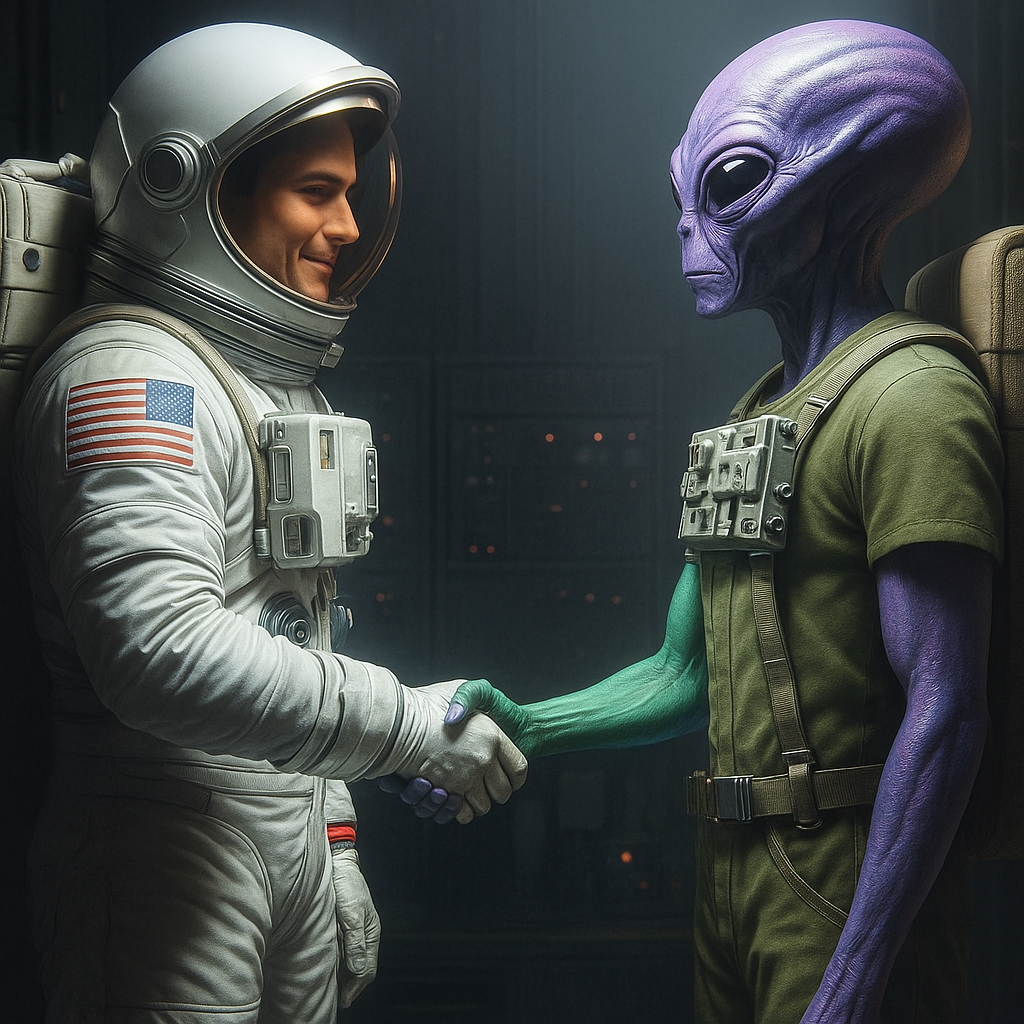
What Will Aliens Look Like?

When people speculate about what alien life forms might look like, most experts think it is extremely unlikely that they will be anything like humans. Neil deGrasse Tyson has critiqued Star Trek for its “lack of imagination” by making all their alien species somewhat humanoid in form with only slight cosmetic differences (although that was probably more due to lack of finances rather than lack of imagination). Regardless, I think experts like NDT are wrong. Intelligent aliens, if they exist, will probably look somewhat similar to humans, as Star Trek portrayed.

Continue reading

AI Cannot Speak For the Dead

One of the potential applications of AI text generators such as ChatGPT is creating a chatbot based on people who have died so that users can speak to those “people” after they are gone. This could be done with famous figures from history or personal loved ones. Such “grief tech,” as it is called, is already being created: HereAfter, You Only Virtual, Character.ai, and MindBank are just a few examples. There are currently apps where living users answer questions now to help create an AI chatbot clone of themselves that others can speak to after they die.

Theoretically, if a person has enough textual data to input into the model (from books, journals, social media posts, emails, and text messages), then the AI trained on that data can anticipate what that person is likely to say given any prompt (which is essentially how all LLMs work). The chatbot will learn to write in the style of the deceased person based on their personal data. Using continually updated data from the internet, the “deadbot” can comment on current events, making it seem as though the person is still alive. Users can learn what the deceased person would think about things that have happened in the world since they passed away. Or they can ask the chatbot all the questions they wish they had asked while the person was still alive. At least that is what the chatbot’s creators will claim their AI can do. But this is a false hope, a facade. AI cannot predict what a deceased human being would think or say years or decades later. You cannot create an accurate chatbot based on the data of the dead.

Continue reading

How Myths Shape Culture

Every society is built on myths. Myths are stories and legends about the history of that society. Those myths shape the culture in the present. Societal elites and nobles with money and power propagate myths that they want the culture to adopt. The elites create (or fund the creation of) stories to mythologize themselves to maintain and increase their wealth and power in the future.

Continue reading

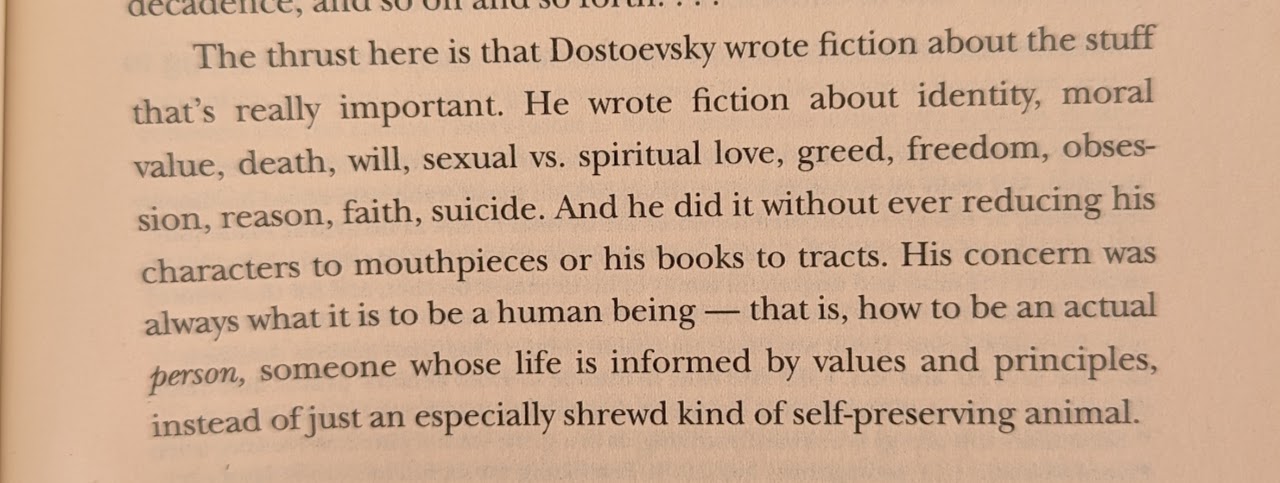
Putting Messages in Fiction

People often say that if you want to include a didactic message in your fiction story, then you should just write an essay. Which is true—but not because essays are better, or because art can’t have a message. But messages should be put in essays rather than art, more due to the audience of the medium than the medium itself.

Continue reading