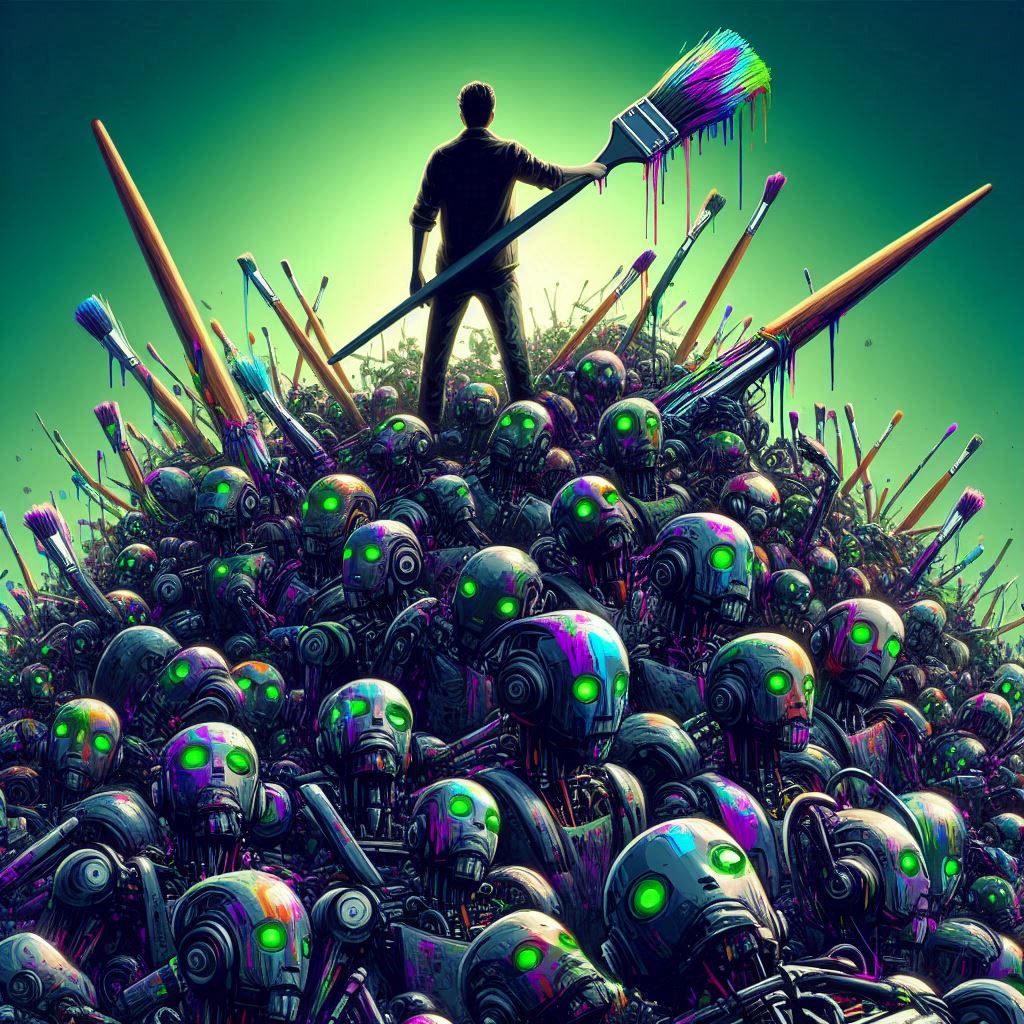
In the future, only creative people will survive. There will be no jobs. Even art could be better done by robots and AI. But humans can still be creative. And they can find purpose in creating art or music or businesses or hobbies. Anyone who is not creative will essentially be a human robot (but a less productive version of the actual robots).
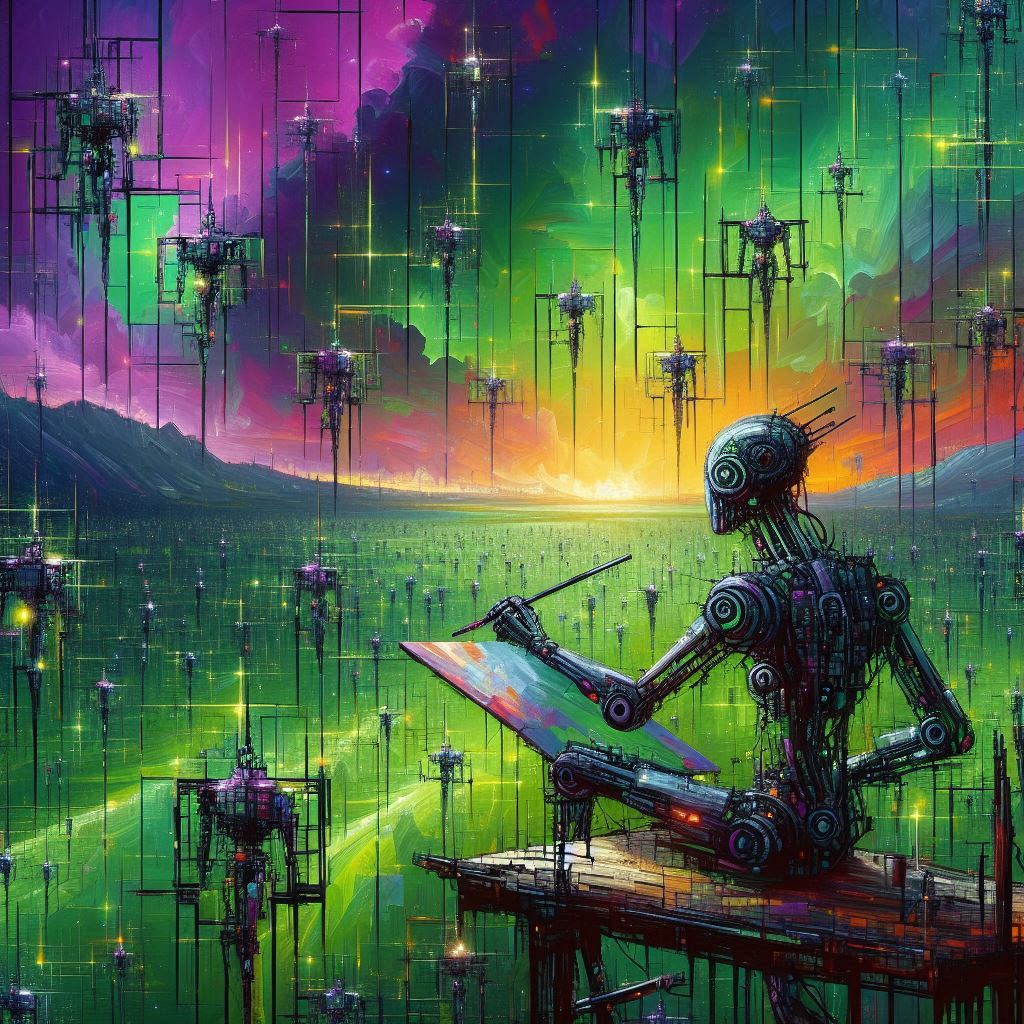
In the future, it may be possible for AI to create art (including books, movies, music, and videogames) that is so perfectly attuned to an individual’s preferences, perhaps even directly using brain scans to determine the precise ingredients that will give the person the ultimate entertainment experience (like from David Foster Wallace’s Infinite Jest), whatever that may be for the particular individual. This AI would essentially create better art than humans—not that it would be objectively better than anything created by humans, but it would be subjectively better to that one particular human for whom the artwork is specifically created for. And AI could conceivably do this for every single human in the world: create unique works of art tailored to be the best work of art for that individual (whatever the criteria for “best” is for them). How could human artists compete with that?
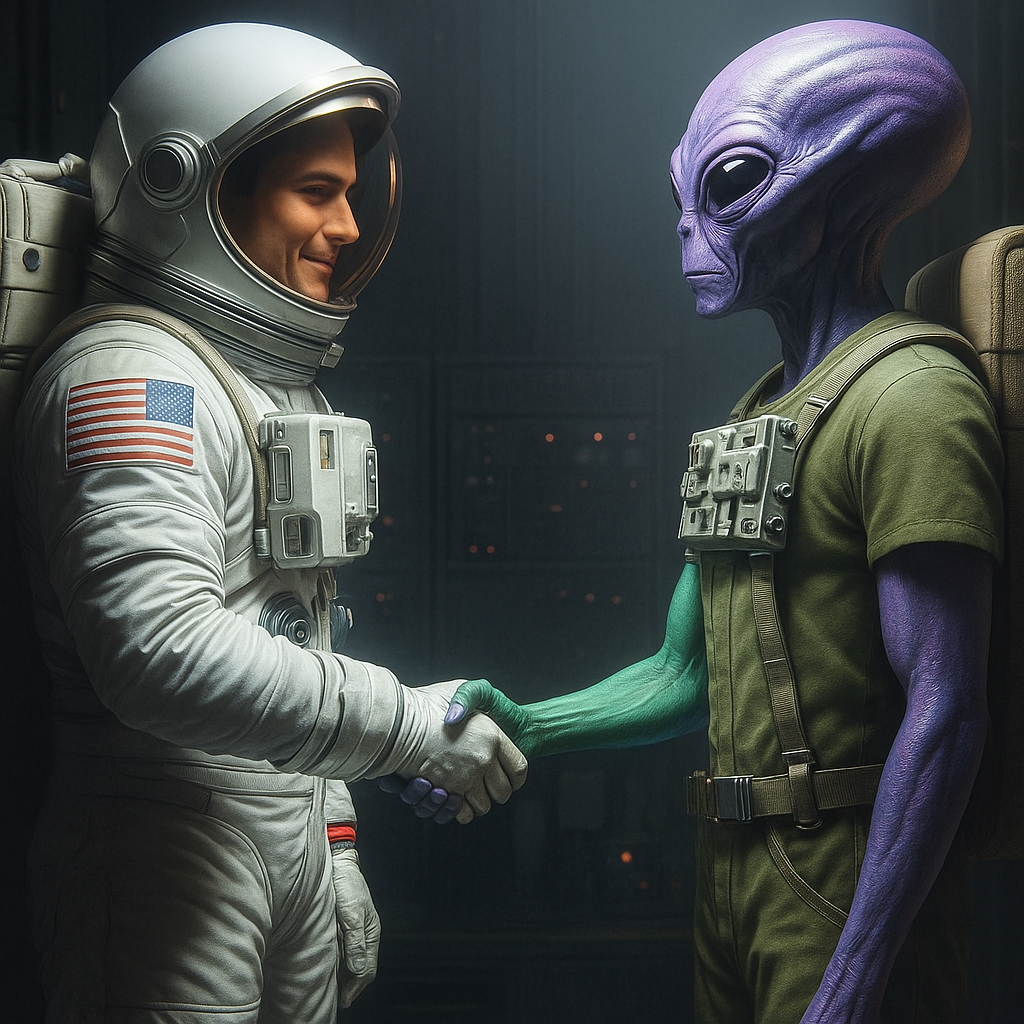
When people speculate about what alien life forms might look like, most experts think it is extremely unlikely that they will be anything like humans. Neil deGrasse Tyson has critiqued Star Trek for its “lack of imagination” by making all their alien species somewhat humanoid in form with only slight cosmetic differences (although that was probably more due to lack of finances rather than lack of imagination). Regardless, I think experts like NDT are wrong. Intelligent aliens, if they exist, will probably look somewhat similar to humans, as Star Trek portrayed.
I have a love/hate relationship with Blake Crouch’s books. He has fantastic premises about cutting-edge science and writes fast-paced thrillers that keep you eagerly turning the pages to the end. Crouch has been compared to Michael Crichton, in that they both write grounded techno-thrillers about plausible future technology with high-concept books that are ripe for adaptation to the screen (TV and movies). But despite me loving the premises of Crouch’s two previous books, Upgrade and Recursion, ultimately I didn’t like the books as a whole—or more precisely I was let down by their endings.
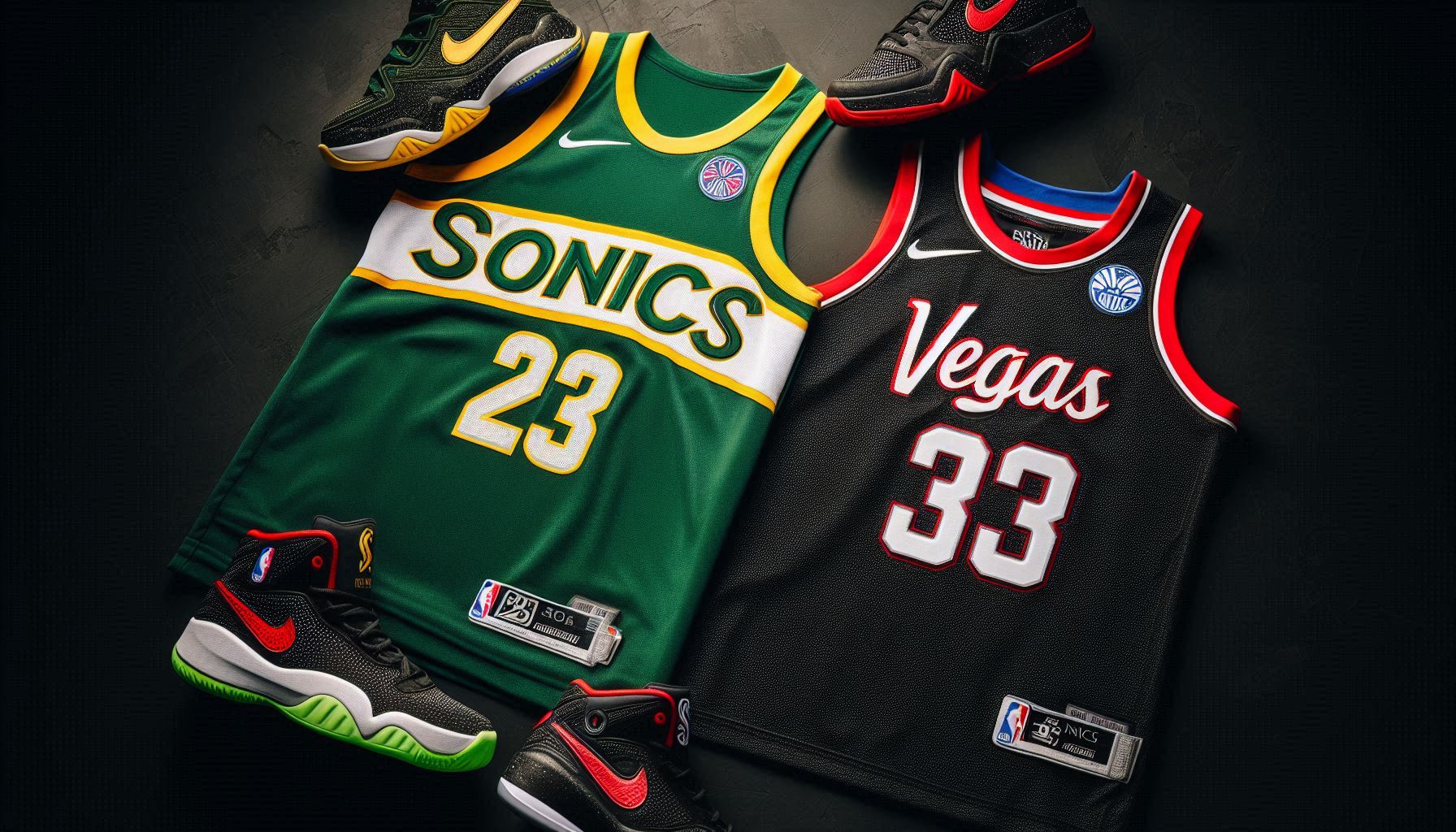
The NBA has had a tanking problem for a while. Tanking is when teams deliberately try to lose games in order to improve their odds of receiving a top pick in the draft lottery. You can’t really blame teams for tanking, as a top pick is often the best way to attain a potential superstar and improve your roster. Tanking has worked for teams in the past, like the 76ers (Joel Embiid) and Thunder (Durant, Westbrook, Harden), and most recently the Spurs (Victor Wembanyama). The NBA has changed the lottery odds to try to address the tanking issue, but that is not enough. My previous proposal of abolishing the draft would completely solve this problem, but that is something the NBA is unlikely to do anytime soon. Luckily there is another option: relegation.
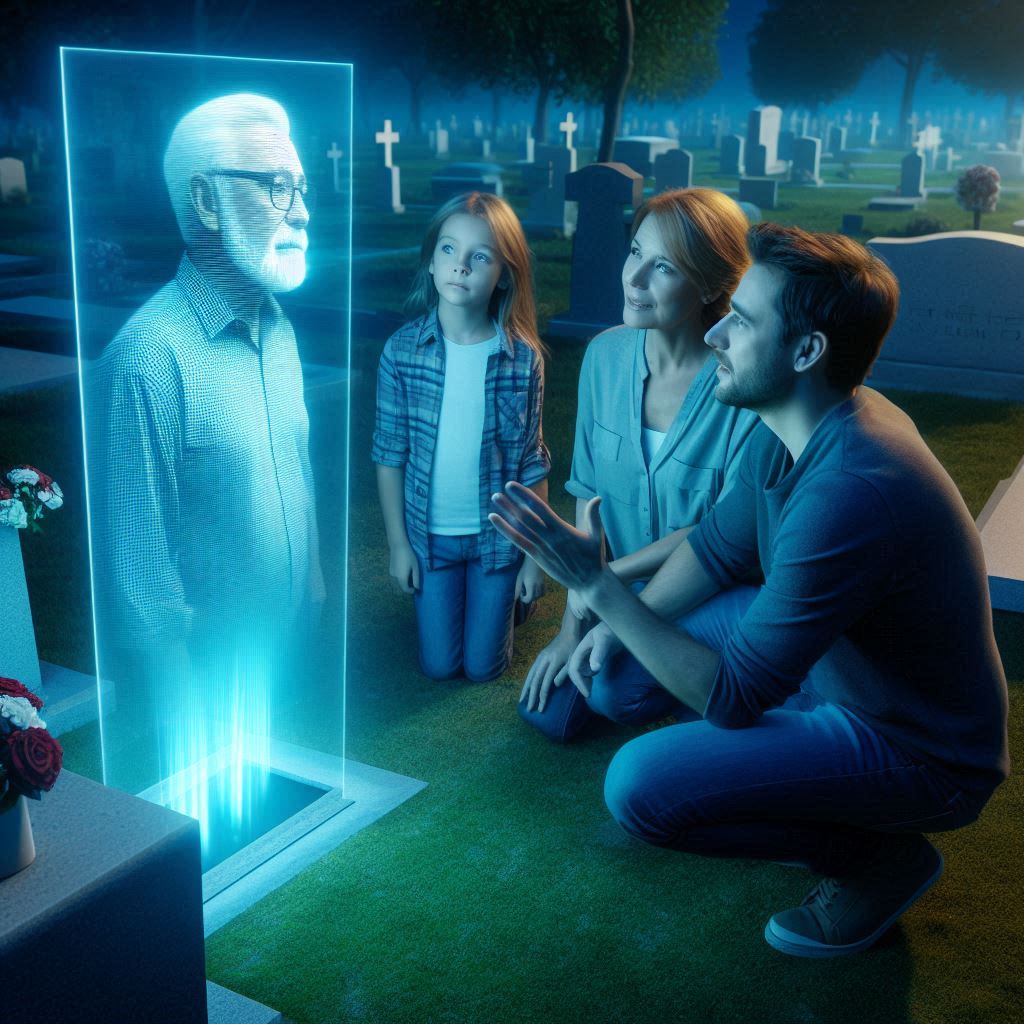
One of the potential applications of AI text generators such as ChatGPT is creating a chatbot based on people who have died so that users can speak to those “people” after they are gone. This could be done with famous figures from history or personal loved ones. Such “grief tech,” as it is called, is already being created: HereAfter, You Only Virtual, Character.ai, and MindBank are just a few examples. There are currently apps where living users answer questions now to help create an AI chatbot clone of themselves that others can speak to after they die.
Theoretically, if a person has enough textual data to input into the model (from books, journals, social media posts, emails, and text messages), then the AI trained on that data can anticipate what that person is likely to say given any prompt (which is essentially how all LLMs work). The chatbot will learn to write in the style of the deceased person based on their personal data. Using continually updated data from the internet, the “deadbot” can comment on current events, making it seem as though the person is still alive. Users can learn what the deceased person would think about things that have happened in the world since they passed away. Or they can ask the chatbot all the questions they wish they had asked while the person was still alive. At least that is what the chatbot’s creators will claim their AI can do. But this is a false hope, a facade. AI cannot predict what a deceased human being would think or say years or decades later. You cannot create an accurate chatbot based on the data of the dead.
Every society is built on myths. Myths are stories and legends about the history of that society. Those myths shape the culture in the present. Societal elites and nobles with money and power propagate myths that they want the culture to adopt. The elites create (or fund the creation of) stories to mythologize themselves to maintain and increase their wealth and power in the future.
People often say that if you want to include a didactic message in your fiction story, then you should just write an essay. Which is true—but not because essays are better, or because art can’t have a message. But messages should be put in essays rather than art, more due to the audience of the medium than the medium itself.
“It is a sad truth, but we have lost the faculty of giving lovely names to things. Names are everything.” — Oscar Wilde
One of my favorite parts of writing a piece of fiction is coming up with the title. I agree with Oscar Wilde: Naming a work of art is an art in itself and should always be treated as such. The name that is given to a work of art is massively influential on how that work is received. As a result, I spend an inordinate amount of time thinking about the titles of my books (and the names of my characters, but that’s a topic for another day).
I have been wanting to read Jung for a while after hearing so much about his work second-hand through podcasts, blogs, and books. Jung has been highly influential on so many writers, thinkers, and artists I admire—and I can see why. His symbolic and mythological approach to psychology is sorely needed in our overly reductionist materialistic world. This book serves as a great introduction to Jung’s work. It features one chapter by Jung himself while the rest are written by his associates. The book also features lots of images to help illustrate the points about symbols because visual symbols are so powerful. Jung writes about the unconscious and the role of the artist:




 T.Z. Barry