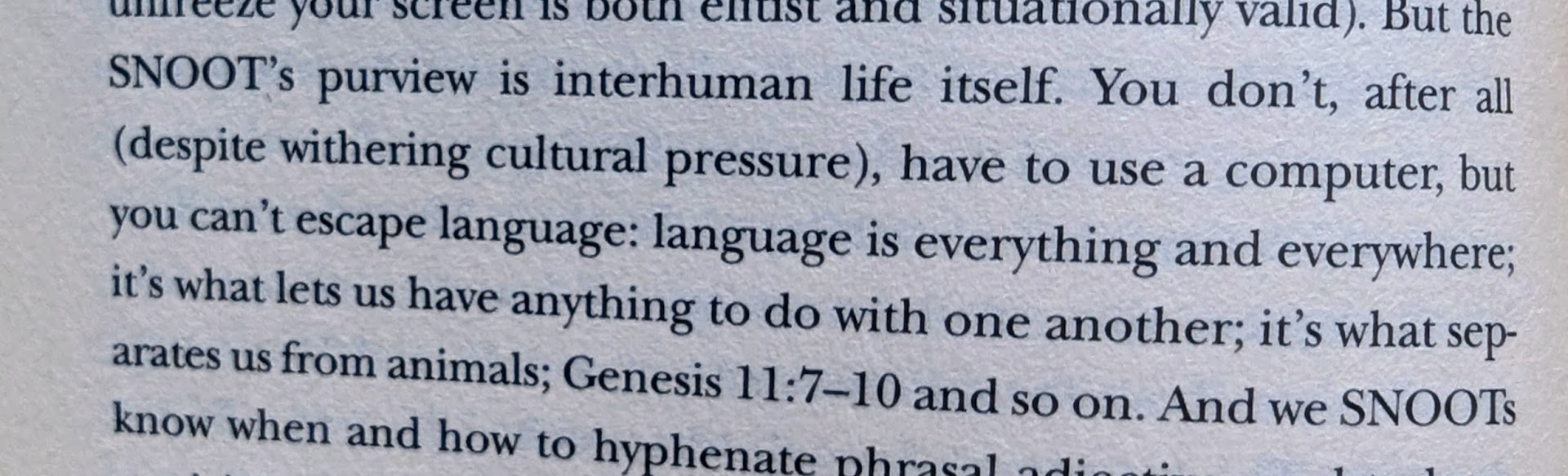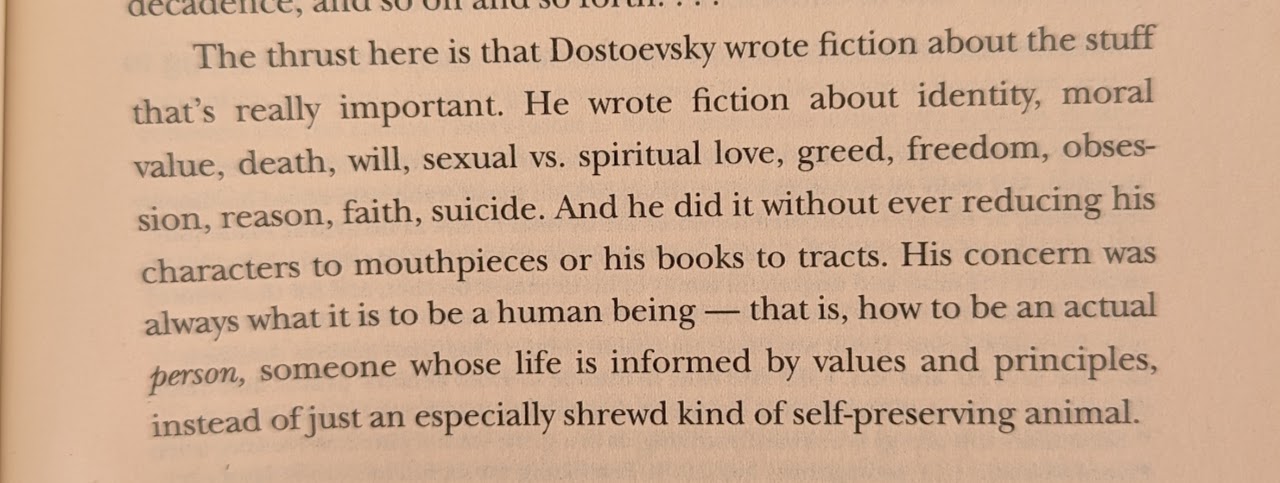
I have been wanting to read Jung for a while after hearing so much about his work second-hand through podcasts, blogs, and books. Jung has been highly influential on so many writers, thinkers, and artists I admire—and I can see why. His symbolic and mythological approach to psychology is sorely needed in our overly reductionist materialistic world. This book serves as a great introduction to Jung’s work. It features one chapter by Jung himself while the rest are written by his associates. The book also features lots of images to help illustrate the points about symbols because visual symbols are so powerful. Jung writes about the unconscious and the role of the artist:
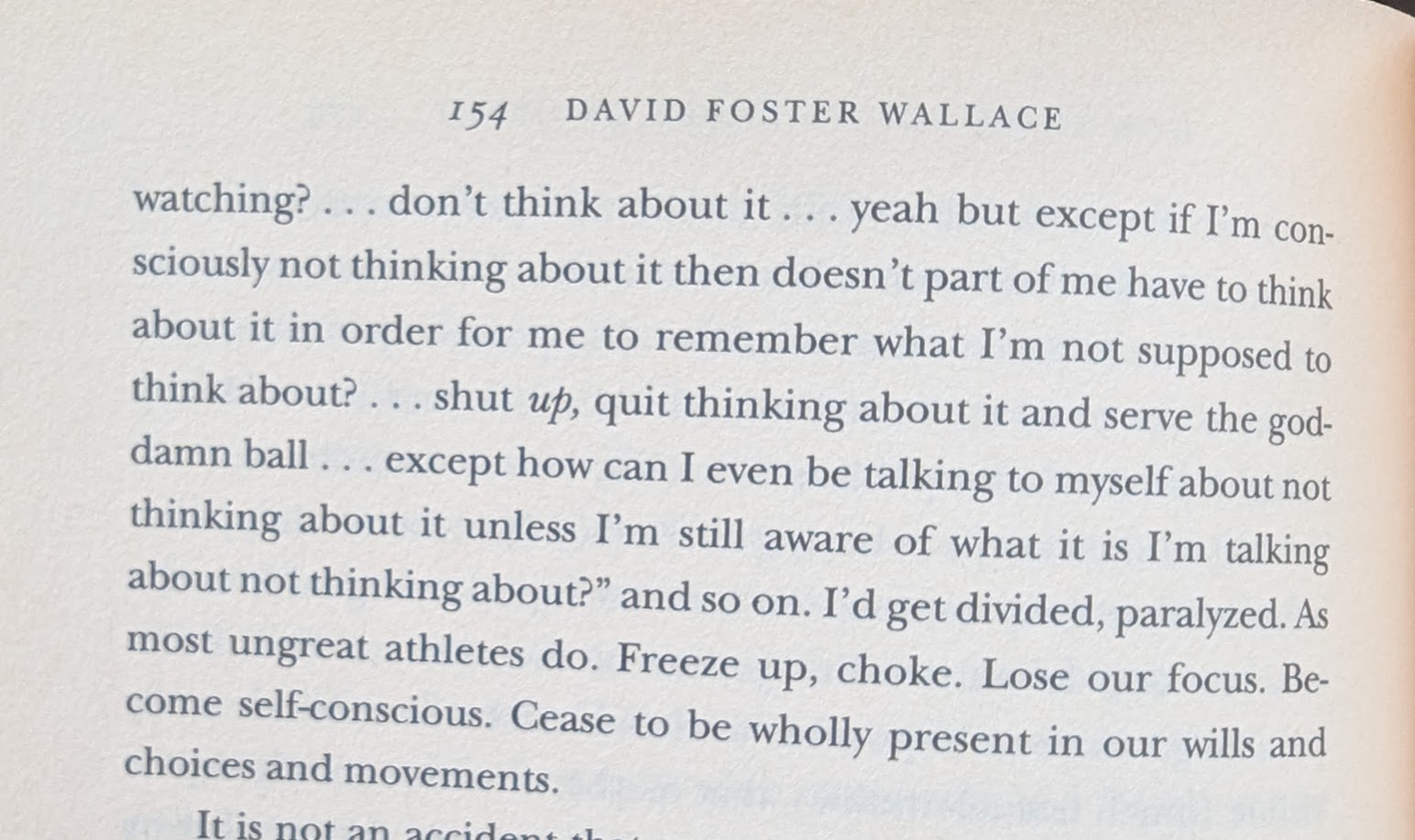
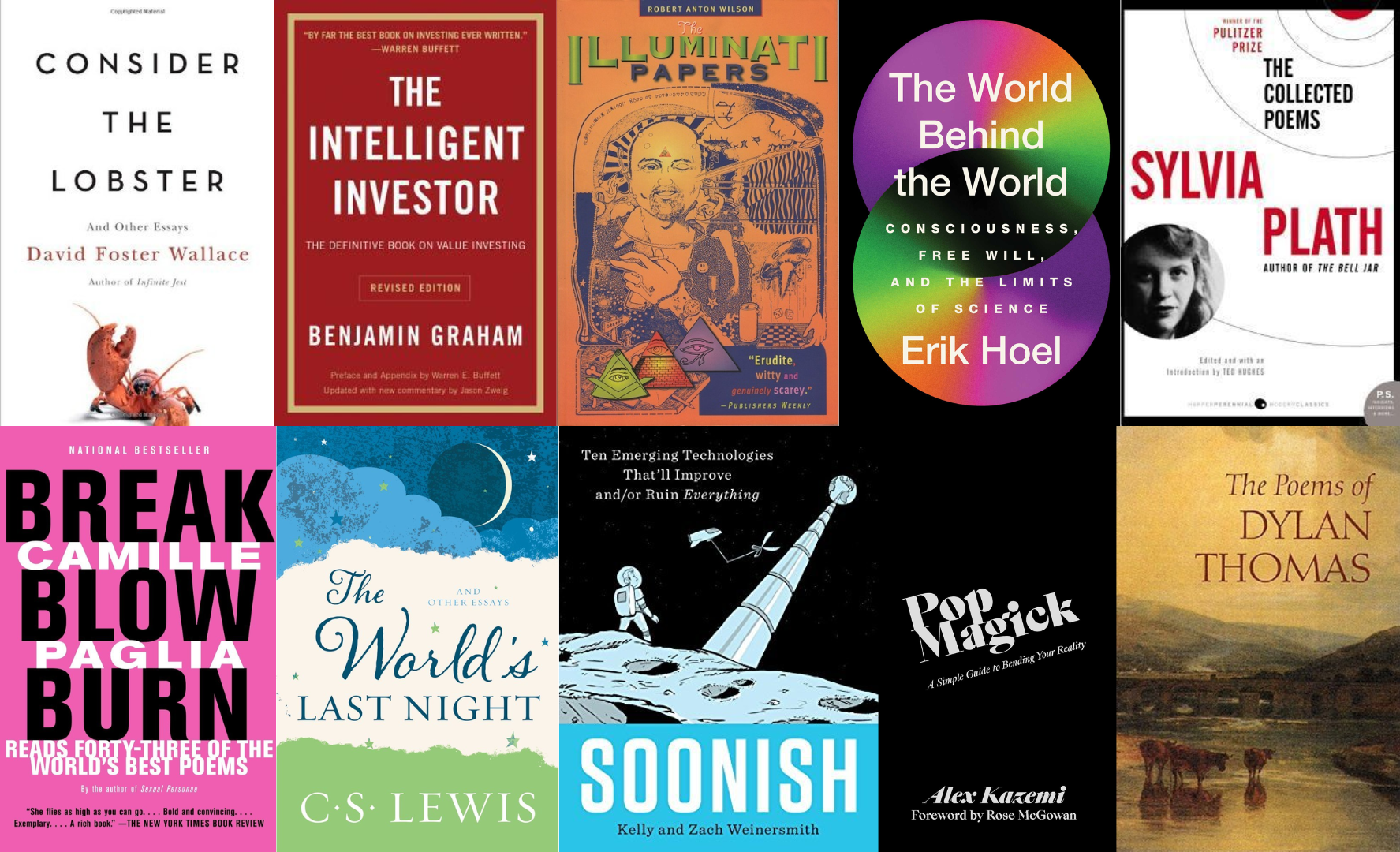
I have yet to read Infinite Jest (it is on my bucket list), but I enjoyed this collection of DFW’s long nonfiction essays, maybe even more than his short fiction. They are absolutely genius—not just in their content but in the craftsmanship of the prose on a sentence level. I read a couple of these essays several years ago but struggled with Wallace’s complicated syntax. Between the page-long sentences, invented words and acronyms, and multi-paged footnotes, you practically need a map to read a David Foster Wallace book. With my reading comprehension having expanded since then, I can now better understand and appreciate the complexity of his prose. Few writers could string words together better than DFW (RIP). The essays in this collection include:
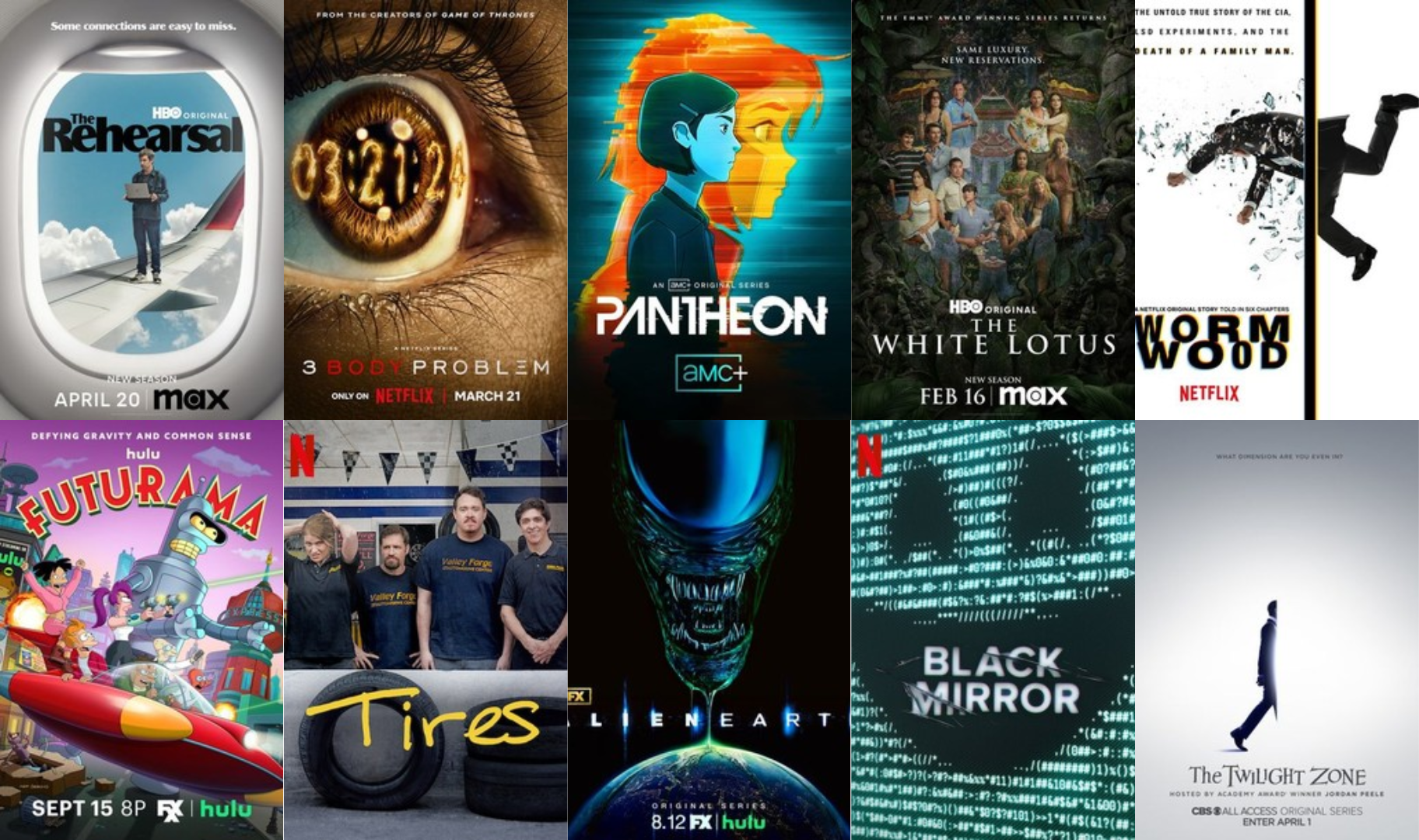
This continues to be one of the most uniquely brilliant shows on television. It blows my mind how John Wilson is even able to create this show, what his process must be, constantly filming his daily life and somehow editing it all into something cohesive and interesting. There is nothing else like it on TV. It’s almost like an entire show built around synchronicity. He follows serendipity wherever it takes him, around New York City and the entire country. He finds the weirdest people, and like Nathan Fielder, isn’t afraid to get super awkward. But the show is also quite heartfelt at times. Sadly, this is the final season, but I will eagerly watch whatever John Wilson does next.
2. Succession
I wrote about all four seasons of Successionhere (and a fictional fifth season here).
In honor of spooky season I will be exploring the Exorcist franchise. The 1973 original is a classic horror movie I had never seen until this year. Actually, I’d seen bits and pieces, specifically the infamous scene of the possession in Regan’s bedroom. That is part of the reason I avoided seeing the film for so long. As I’ve detailed before, I was not a fan of horror movies when I was younger, but even when I got into horror I avoided the demonic possession subgenre, perhaps because I found it particularly horrific. Demons seemed more realistic than zombies or vampires, and—if real—being possessed by an evil entity is probably the most terrifying horror scenario of all. Demonic possession movies could even be a case of “hyperstition”—or a piece of fiction that becomes a self-fulfilling prophecy and manifests itself in reality. Demons like those depicted in The Exorcist may not have existed before, but after the popularity of the movie, they surely exist now—at least in the imaginations of the viewers. I also avoided The Exorcist because there have been so many copycats over the years, vastly inferior retreads that further pushed me away from the possession subgenre as a whole. Plus with all the parodies and references that have permeated pop culture, I felt like I had already seen the movie. But because The Exorcist is so highly rated, and I am a horror fan, I finally saw the film in full for the first time this year, and I can confirm it is more than worthy of its high praise.
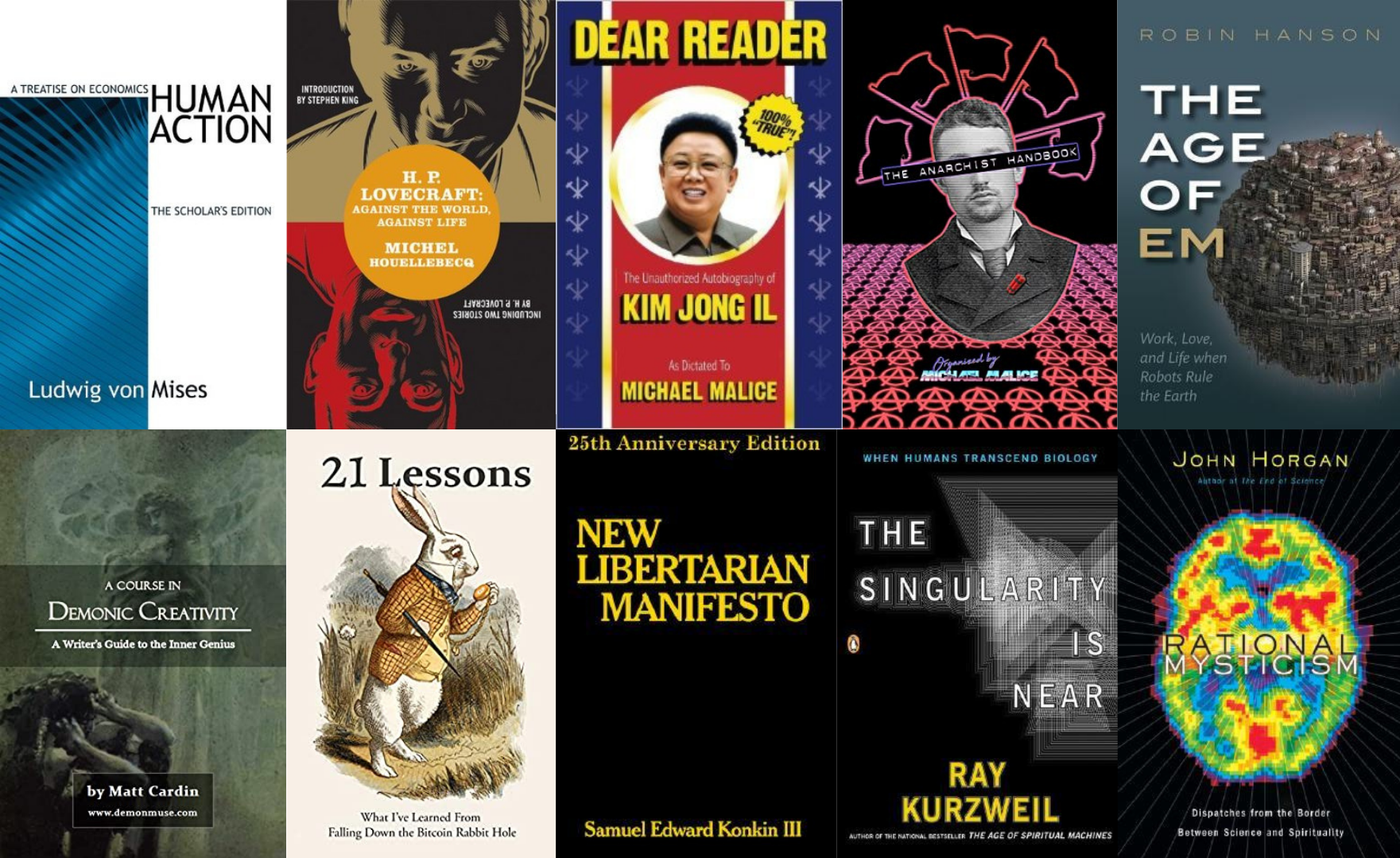
This is the bible of Austrian economics by the grandfather of Austrian economics, Ludwig von Mises. Human Action is Mises’ magnum opus on economics, philosophy, and history—or more precisely, it’s about what Mises terms “praxeology”: the study of human action, which all economic activity boils down to. This is a long book (it took me half the year to get through, which is why there are fewer honorable mentions this year) but it was worth it. You will better understand the world today by reading this 82-year-old tome than by reading today’s newspapers.