Tag Archives: editing

Trick or Zombie Treat: The Revised 2nd Edition

In September of 2023 I planned to record an audiobook for my horror novel Trick or Zombie Treat (originally published in 2015) to release for Halloween of that year. However, I soon realized recording an audiobook would take much longer than I anticipated. I also realized the book needed some editing. There were a couple of typos, which were easy enough to fix, but there were other issues—not grammatical errors, but the prose just didn’t flow as smoothly as it should have. Correcting that took a bit more time and effort.

Continue reading
To Plan or To Pants? Writing Advice on Plotting vs Pantsing

There are essentially two types of writers: plotters and pantsers. Those who outline their plot beforehand, and those who write from the seat of their pants (AKA go in blind and make everything up as they go along). I said in the past that I was an outliner, but I now outline less than I used to. 

Outlines make it easier to know where you have to go in the plot. But one benefit of writing from the seat of your pants is that you are motivated to write more often and faster because you want to know what happens next. If the full story is thoroughly outlined, writing can become more of a tedious transcription-like process with little surprise for the writer. Less planning can create more fun, though I don’t know if I would recommend that approach to someone who doesn’t have sufficient writing experience

Continue reading

In Defense of Perfectionism

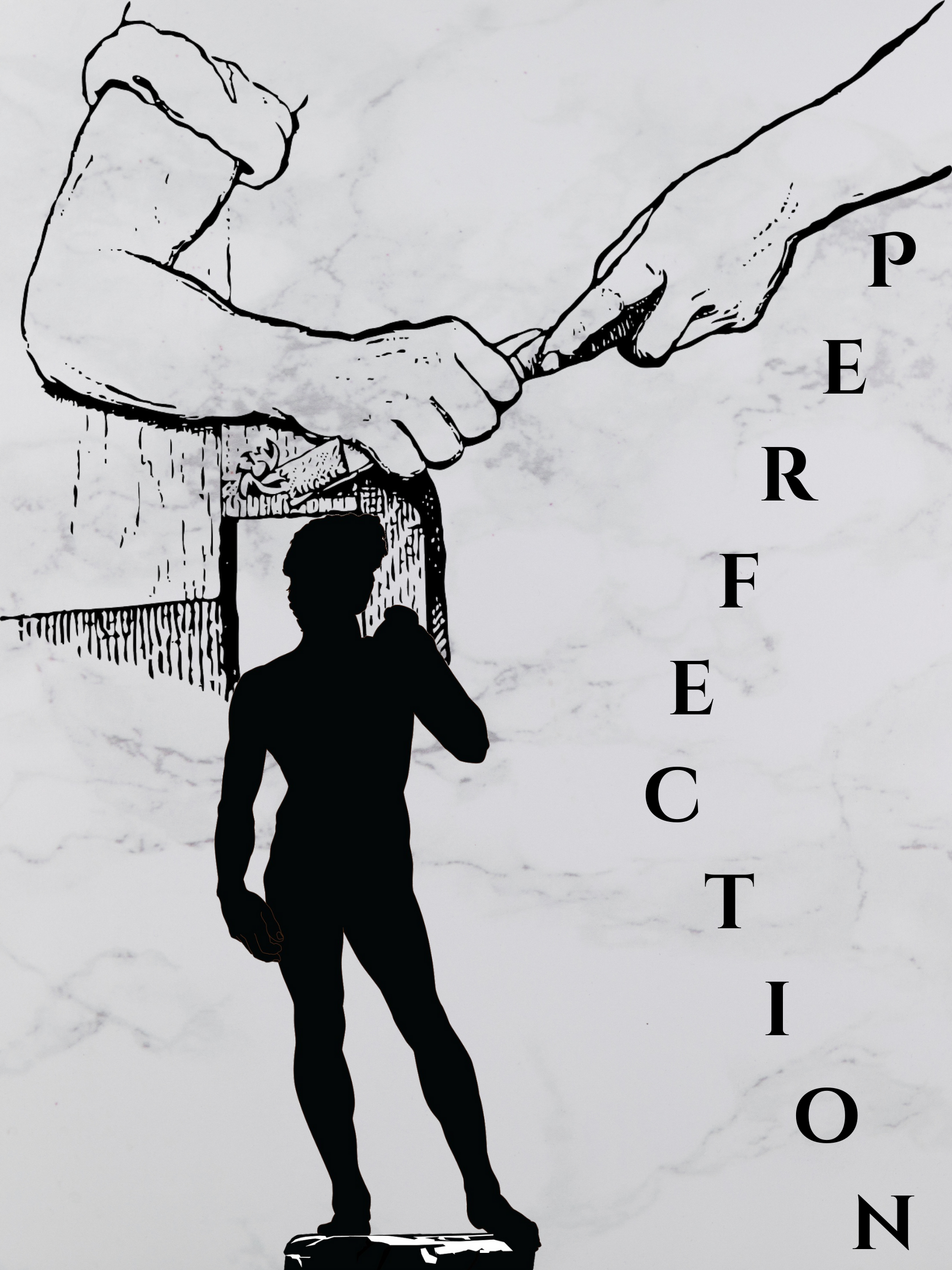
The statue of David is still on display to this day—over 500 years later—but would it be if Michelangelo didn’t attempt to make a perfect sculpture?

Perfectionism is a gift and a curse. Before publishing a work of fiction, I spend an inordinate amount of time rewriting and editing it, long after most writers would consider it “done” and publishable. I re-read the manuscript again and again, going over every sentence, every word and punctuation mark, making sure it is precisely as I wish.

Continue reading

How to Learn How to Write Fiction

Writing fiction is not something that can be taught with a simple “how-to” book. A creative artistic endeavor like fiction writing is something you have to learn by doing yourself. Each writer is different—at least the good ones are—therefore their method to write fiction is different. So this post is not “how to write fiction like others” but “how to teach yourself to write fiction your own way.”

Continue reading

Talking vs. Writing

What is a better form of communication: talking or writing? For me, talking is inferior and inefficient compared to writing. Writing gives you time to pause, reflect, consider, and then express exactly what you feel. Some may say that talking to someone face to face is the only way to really know another person fully—to get a sense of their true self. While that may be true for some people, that is not the case for me. 

Continue reading

The Rhythm of Writing

When you’ve written and read enough, you begin to develop an inherent feel for the rhythm of prose. Amateur writers often write sentences without much thought to the rhythm and flow, resulting in a series of short sentences which begin to sound stiff and boring—or a series of exceptionally long complex sentences that also become too stiff and boring to follow. 

Continue reading

Use Visualization to Write Fiction Like Tesla

Most of my toughest problems writing fiction come from hitting a wall midway through the first draft when I realize I must alter the narrative in some dramatic way, requiring massive rewrites of what I’d written so far. This doesn’t always happen, but when it does, it is demoralizing—especially for longer projects like novels. I dread going back to do that rewriting work because it is difficult, tedious, and time-consuming. Fixing what I wrote before often takes longer than it took to write in the first place.

Continue reading

On Abandoned Drafts

trash1

As a fiction writer I’ve developed the habit of starting first drafts of projects, particularly with short stories, then hitting a wall at some point in the middle, either from boredom or difficulty, then decide to pause and pursue another project. In most cases, I would not start a “new” project, but would go back to work on editing another story, as I have dozens of works in progress that need editing and rewriting. I’ve said in the past that I don’t enjoy rewriting because I find it boring and drudgery, but it’s also much easier and less cognitively intensive than writing a first draft, so it’s a nice respite after facing difficulty in the first draft on another project. Continue reading

Is a Work of Art Ever Finished?

mcescher-hands

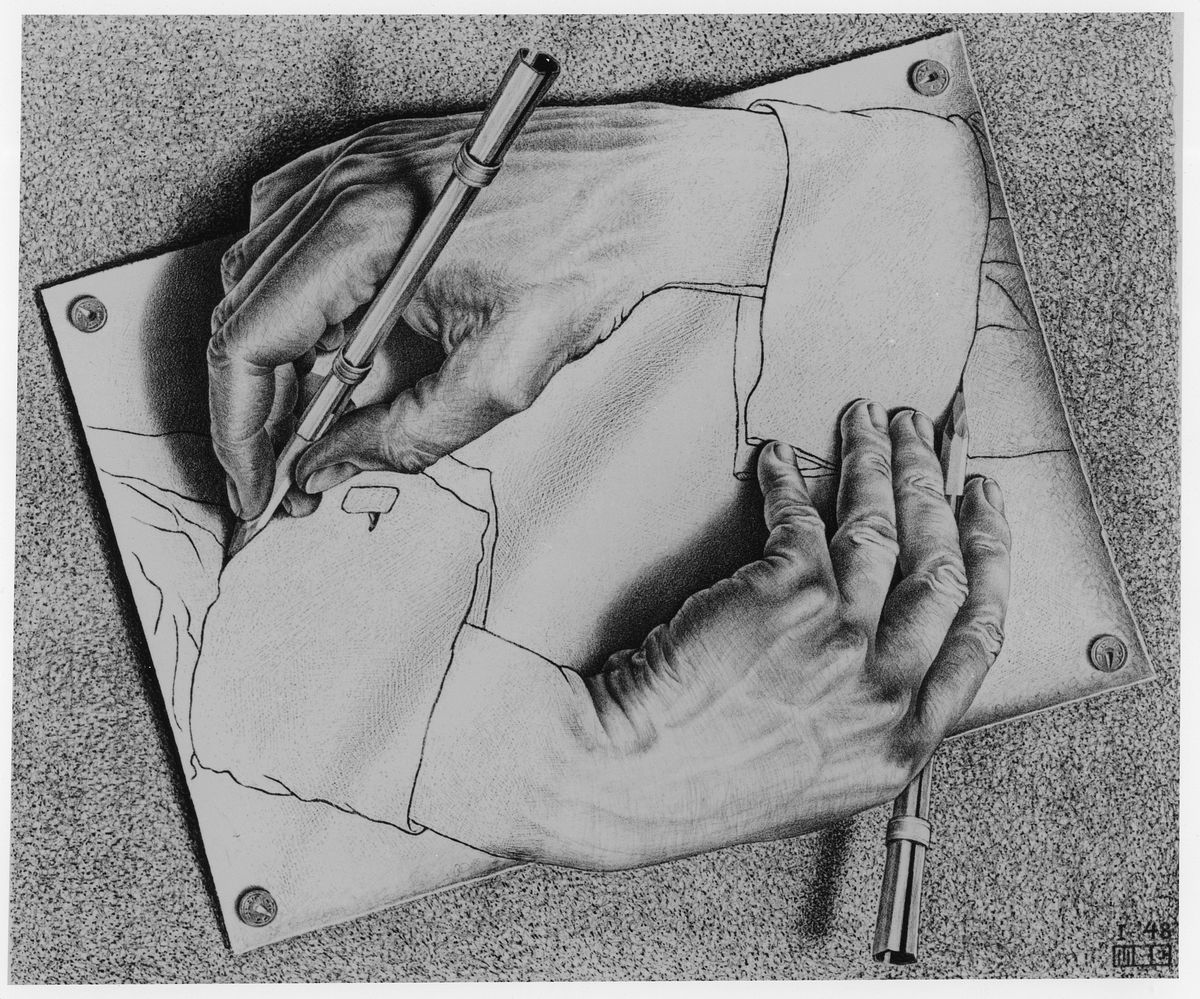
Whenever I re-read something I wrote, I always find things to edit and change, whether it’s actual mistakes or just rewording sentences to make them more clear and readable. Yet when I last left the work, I thought it was perfect—not actually perfect, as there’s no such thing as “perfect” in art, but as close to perfect as I could make it. However, every time I re-read anything I previously thought was perfect, I always find things to change. Why is that? Did I miss those things before? Or Is my idea of perfection changing? Continue reading

How to Self-Edit Your Writing

Sel-Editing

No piece of writing is done until you’ve edited it. I’ve mentioned before how I’m not a fan of editing. I find it the most tedious part of the writing process, but it needs to be done. You can’t expect others to read something full of typos and mistakes. But finding all your typos can be difficult because your brain naturally corrects mistakes in your head as you read, so you don’t even notice them. The best thing to do is hire a professional editor. But not everybody can afford to do that. (Especially for a blog post like this.) So I’ll share some tricks I’ve used to help self-edit my own writing. Continue reading