Category Archives: Writing

On Abandoned Drafts

trash1

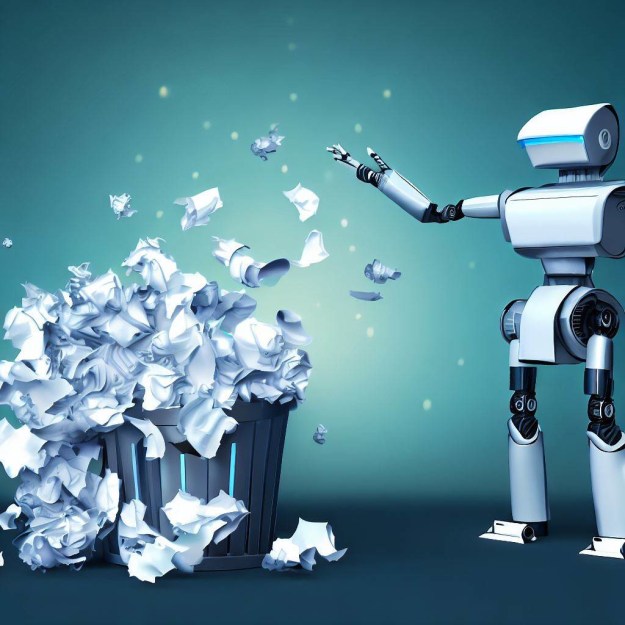
As a fiction writer I’ve developed the habit of starting first drafts of projects, particularly with short stories, then hitting a wall at some point in the middle, either from boredom or difficulty, then decide to pause and pursue another project. In most cases, I would not start a “new” project, but would go back to work on editing another story, as I have dozens of works in progress that need editing and rewriting. I’ve said in the past that I don’t enjoy rewriting because I find it boring and drudgery, but it’s also much easier and less cognitively intensive than writing a first draft, so it’s a nice respite after facing difficulty in the first draft on another project. Continue reading
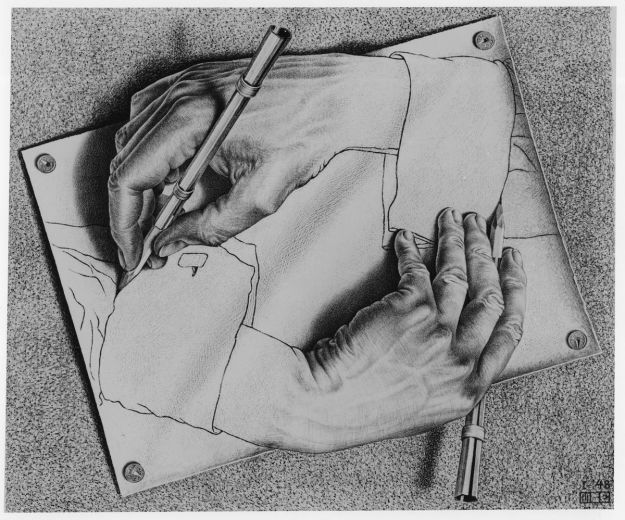
Is a Work of Art Ever Finished?

mcescher-hands

Whenever I re-read something I wrote, I always find things to edit and change, whether it’s actual mistakes or just rewording sentences to make them more clear and readable. Yet when I last left the work, I thought it was perfect—not actually perfect, as there’s no such thing as “perfect” in art, but as close to perfect as I could make it. However, every time I re-read anything I previously thought was perfect, I always find things to change. Why is that? Did I miss those things before? Or Is my idea of perfection changing? Continue reading

Solitude Inspires Creativity

solitude6a

Solitude makes people more creative. When isolated from other humans, you become extremely bored. (This includes both in-person interaction and indirect forms of human communication, such as via the internet, watching television, or reading books.) When completely deprived of interaction with other people, you become so craved for some kind of stimulation that you’re forced to fill that need yourself—in your imagination. You create fictional characters and stories in your head to fulfill your innate need for stimulation and social interaction. Continue reading

Science Fiction Books vs. Movies

bladerunner-book-movie

It’s ironic that I write science fiction books as an adult considering I didn’t even read science fiction books as a child. Actually, I didn’t read any books at all, other than those assigned in school—which, aside from Fahrenheit 451 and 1984, were never science fiction. I loved sci-fi movies as a child and was captivated by space exploration and future technology, but I struggled with books about those same topics. It wasn’t until later in life, post-college, that I really started to enjoy reading (books in general and science fiction in particular). Continue reading

Is Your Idea a Short Story or Novel?

short-novel5a
One common question among writers (or would-be writers) in the initial phase of a project is: How do you know if an idea is a short story or a novel? I think the answer is that you should plan for every idea to be a short story. Try to make everything you write as short as it can possibly be without losing anything essential. Continue reading

The Purpose of Stories

One night when I was in college, a group of friends were thinking about going to a movie, and someone said, “No, I don’t want to go to a movie where you have to think.” It bothered me that someone could ever feel that way. I thought those were the best types of movies. What’s the point of watching a movie if it doesn’t make you think?

I was reminiscing about that night from college recently while contemplating the purpose of stories. They’ve been around for the entirety of human history. Storytelling is what makes humans human; it’s what separates us from other species. No other animal can tell stories to each other and pass on wisdom and knowledge through language. Continue reading

Story Addict: A Collection of Short Fiction

StoryAddict-TZBarry-ebook1

Hi, my name is TZ Barry, and I’m a story addict…

Story Addict is a collection of 27 short stories written between 2010 and 2018, spanning a variety of genres including science fiction, fantasy, horror, crime, thriller, literary, magical realism, dark humor, and satire. There’s time travel, telepathy, parallel universes, aliens, robots, artificial intelligence, hackers, spies, invisibility, dinosaurs, wizards, talking jellyfish, and more. The lengths of the stories vary from 300 words to over 6,000 (60,000 words in total). Eight of the stories have been previously published, while nineteen are new to this collection. The stories are not connected and can be read in any order.

Continue reading

Why People Love Post-Apocalyptic Stories

nyc2

Whether it’s zombie outbreaks, nuclear wastelands, or climate change, people love post-apocalyptic stories. Examples include books like The Road and A Canticle for Leibowitz, TV shows like The Walking Dead and Jericho, video games like Fallout and The Last of Us, comics like Y: The Last Man, and movies like Mad Max, I am Legend, World War ZBook of Eli, and The Postman. The causes and effects differ, but what these stories share is the setting of a world after civilization has fallen, with people living in brutal conditions where everyday survival is a struggle. The themes are dark and dour, yet these stories are extremely popular. The question is: why are people so drawn to post-apocalyptic stories? Continue reading

From Screenplays to Novels and Beyond

screenplay-to-novels
Since a child, I always loved movies and television more than books or any other kind of art. Film was my favorite form of art because it encapsulated all other art forms: music, photography, cinematography, acting, writing, storytelling, painting, makeup, clothing, fashion, costumes, sculpture, props, architecture, computer graphics, animation, etc… The list goes on. That’s why there are so many names at the end of a movie. Almost all those people are artists in their own right, contributing to the master artwork that is the film. Continue reading

Black Mirror and the Future of Storytelling

black-mirror1

Black Mirror is the future. I don’t mean the dystopian technological prophecies in the show will come true (though many of them might). I mean the format of 50 to 70-minute self-contained stories are the future of film and television storytelling. Continue reading