Category Archives: Writing

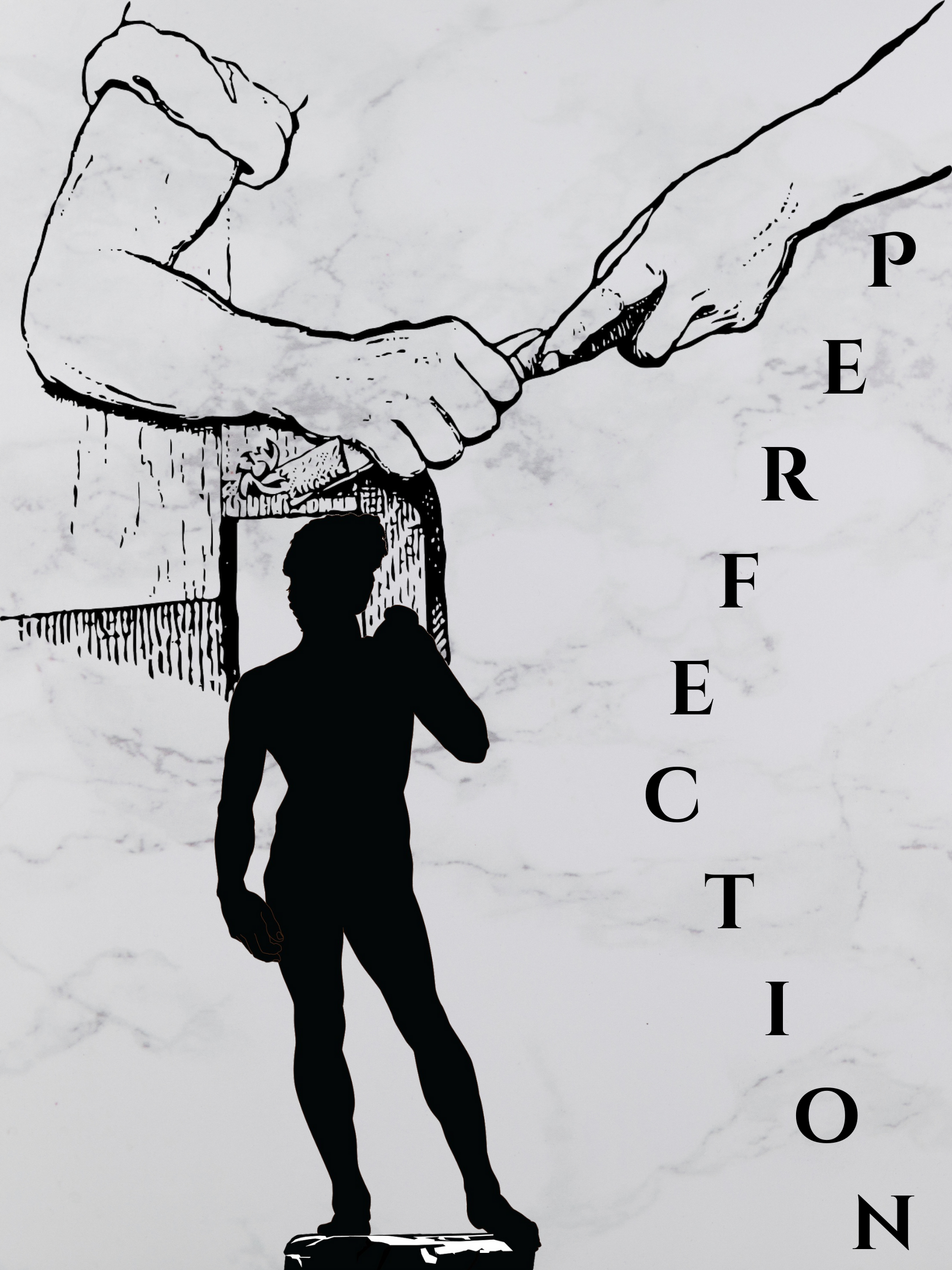
In Defense of Perfectionism

The statue of David is still on display to this day—over 500 years later—but would it be if Michelangelo didn’t attempt to make a perfect sculpture?

Perfectionism is a gift and a curse. Before publishing a work of fiction, I spend an inordinate amount of time rewriting and editing it, long after most writers would consider it “done” and publishable. I re-read the manuscript again and again, going over every sentence, every word and punctuation mark, making sure it is precisely as I wish.

Continue reading

Mystery is Key to Story

Mystery is the key to every successful story. Even if a story is not explicitly a mystery, it needs to have some element of mystery within it. If there’s no mystery, wherein the reader is wondering what will happen next, they have little reason to continue reading the story.

Continue reading

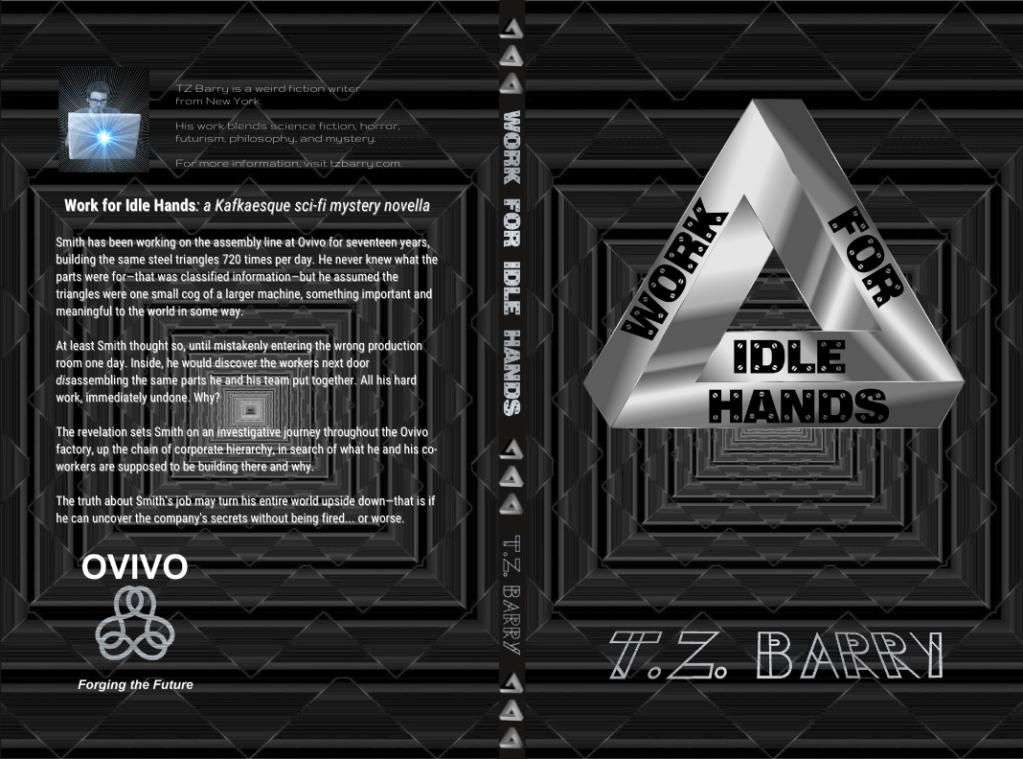
“Work for Idle Hands” Paperback, Plus Fun Facts About the Book

The paperback version of my new novella, Work for Idle Hands, is now available on Amazon.

Some fun facts about WFIH:

1. From Short Story to Screenplay to Novella

Work for Idle Hands was originally written in 2016 as a 9,000-word short story. At that time I was still pursuing screenwriting in tandem with prose writing, so I decided to adapt the story into a screenplay. But after unsuccessfully trying to pitch the screenplay to agents and producers, I decided to re-adapt it back into prose form, but longer since I had expanded the original short story when adapting it into movie form. This final version is a sort of amalgam of the short story and screenplay, which I expanded upon further. The final word count is triple the length of the original short story, at almost 30,000 words. I think this novella version is the best of the three. The novella may be my favorite form for a story. It is the perfect length to tell a full story and develop characters without getting bogged down by side-plots.

Continue reading

A Manifesto to Weird

I’ve always been weird. As a child, my earliest memories from school were how I was always so much different than everyone else—not just personality-wise, being extremely shy compared to them, but also in my interests. The other kids weren’t into the things I wanted to do and talk about which was probably why I didn’t like talking to them. But the weird thing is I didn’t like being weird as a kid. I had such severe social anxiety that I wanted to fit in and be like everybody else. I was terrified of being ostracized and rejected by my peers. I didn’t want to stand out, so I would hide my weird interests from them.

Continue reading

How to Learn How to Write Fiction

Writing fiction is not something that can be taught with a simple “how-to” book. A creative artistic endeavor like fiction writing is something you have to learn by doing yourself. Each writer is different—at least the good ones are—therefore their method to write fiction is different. So this post is not “how to write fiction like others” but “how to teach yourself to write fiction your own way.”

Continue reading

Do Artists Get Less Creative Over Time?

Picasso’s paintings grew more creative over time

Have you ever noticed that most artists tend to get less creative when they get older? A band’s first album is often their best—or maybe their second or third album is better—but rarely does a band record their most creative music on their twelfth album. Sure, some artists like The Rolling Stones continue to perform well into their 70s, but they are only rehashing the creativity of their 20s and 30s. They are not recording new songs, or if they are, those new songs are nowhere near as beloved or creative as their earlier work. That is the normal life cycle of most musical artists: they release creative music when young, get popular, then “play the hits” for the rest of their career.

Continue reading

Talking vs. Writing

What is a better form of communication: talking or writing? For me, talking is inferior and inefficient compared to writing. Writing gives you time to pause, reflect, consider, and then express exactly what you feel. Some may say that talking to someone face to face is the only way to really know another person fully—to get a sense of their true self. While that may be true for some people, that is not the case for me. 

Continue reading

My Rabbit Holes

Throughout my life, I get super-interested in certain topics and go all-in, becoming completely absorbed in the subject for weeks, months, or sometimes years. Eventually, when I’ve learned everything worth knowing, I become bored of the subject and move on to something else, becoming super-interested in that new topic… until I’m not. Then the cycle repeats again.

Continue reading

The Rhythm of Writing

When you’ve written and read enough, you begin to develop an inherent feel for the rhythm of prose. Amateur writers often write sentences without much thought to the rhythm and flow, resulting in a series of short sentences which begin to sound stiff and boring—or a series of exceptionally long complex sentences that also become too stiff and boring to follow. 

Continue reading

Should Writers Read Classic or Modern Books?

I often feel anxiety about the overwhelming amount of books I want to read, knowing I won’t live long enough to read them all. This has been a problem for all humans throughout history—the race against time—but the problem grows exponentially over time as the amount of content continually increases. 

Continue reading