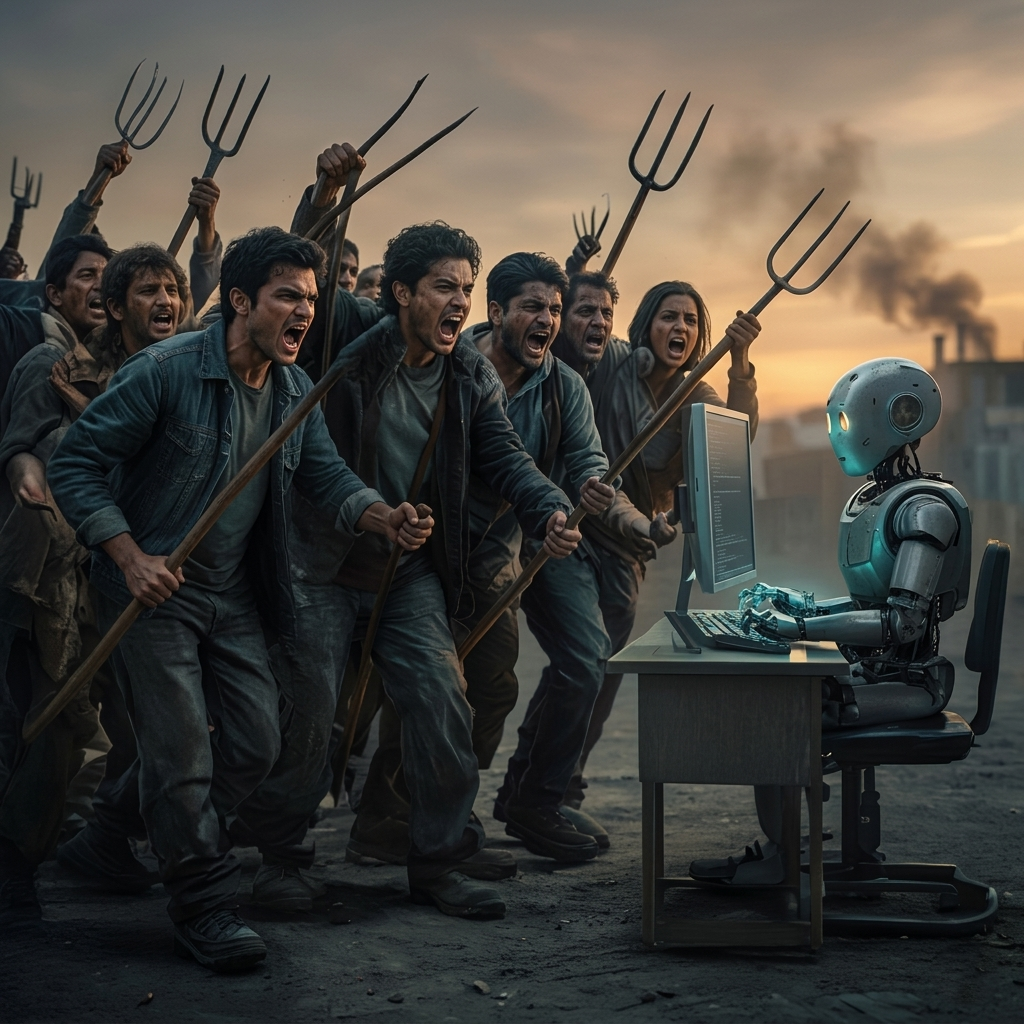
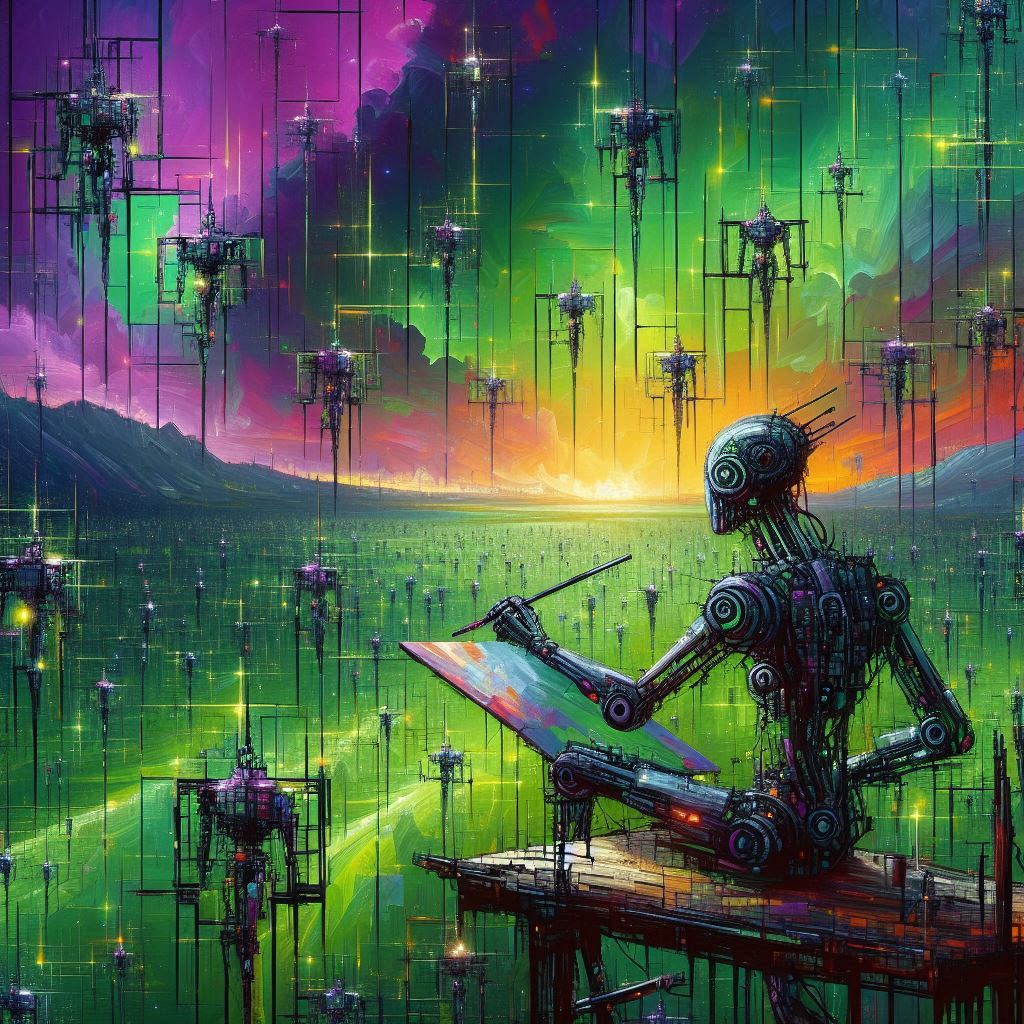
The anti-AI sentiment within the writing community is rabid. Many writers say that all AI writing is slop, and you should never use it. But I think that’s mostly denial and cope. LLMs are getting better by the day, and while I still mostly stand by this piece about the limits of ChatGPT at writing fiction, AI (Claude in particular) has gotten orders of magnitude better at writing fiction over the two and a half years since I wrote that—and it will only get better in the future. If you think AI cannot contribute to good writing, you’re not trying hard enough (or prompting well enough).
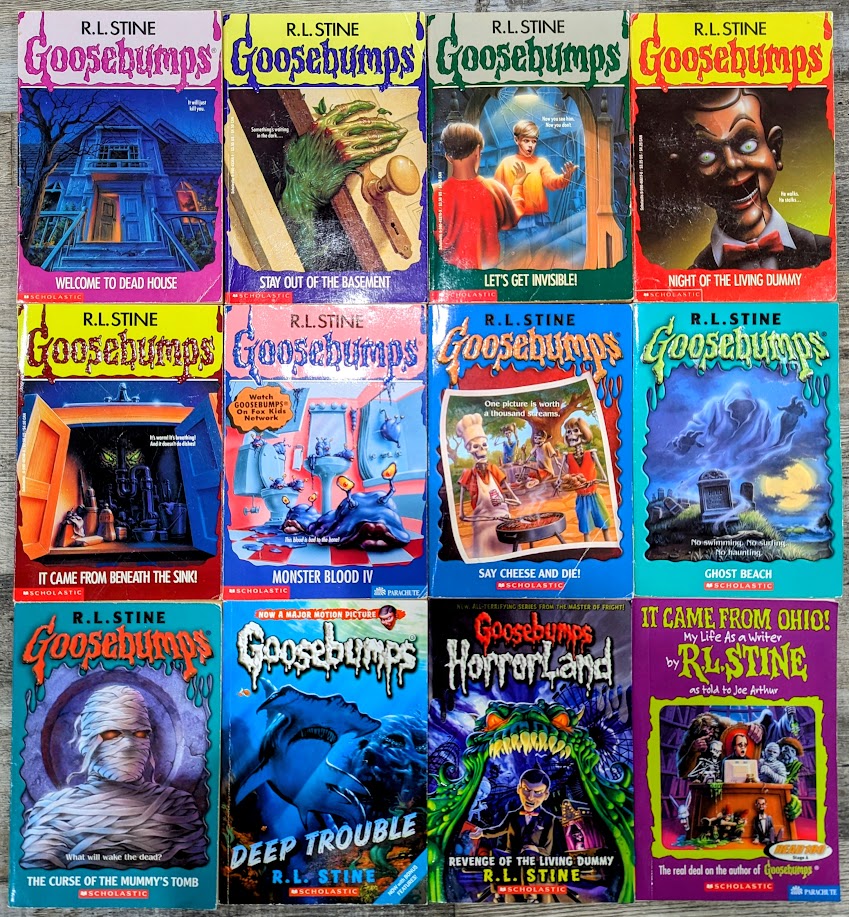
“Don’t judge a book by its cover” is a classic saying that I mostly disagree with. You can’t help but judge a book by its cover, and more often than not, the cover is accurately representative of the vibe of the book. I unabashedly judge books by their covers, and my initial thoughts are almost always correct. Covers that I am aesthetically drawn to inevitably have a story inside that I am aesthetically drawn to. It’s actually a good rule of thumb to judge a book by its cover. If you think the cover of a book looks appealing, you’ll usually like the contents of the book as well.
One of the best use cases for AI in writing fiction is as an expert personal research assistant. A common writing tip is to “write what you know.” This doesn’t mean to only write about your personal life, but to write about things you personally know about. That could mean doing research about certain topics you haven’t experienced personally until you are familiar enough to convincingly write about that topic. The problem with research is that it can take a lot of time, which limits the amount of actual creative writing you can do. That’s where AI comes in.
If you want to submit a short story or novel to any publisher today, you will inevitably find a disclaimer on their submission guidelines page that forbids submitting a story that used AI. But what exactly does “using AI” entail? If you dictate a story with an app that uses AI to transcribe it, is that using AI? If you then use Grammarly to proofread and edit, is that using AI? If you upload your manuscript to use Perplexity as a fact-checker and research assistant, is that using AI? If you use ChatGPT to help generate ideas during the outline phase but then write the actual story yourself, is that using AI? If you generate the first draft of a story with an LLM, but then rewrite every single word, is that still considered using AI? What if you only change 95% of the words? 75%? 50%?
One of my favorite hobbies is going to used book sales and finding rare gems for low prices. It’s not just about paying less; it is more fun and fulfilling to find books in the wild rather than simply ordering a copy on Amazon. It’s akin to treasure-hunting—you never know what you might find. At one such sale, I acquired a collection of Goosebumps books for $0.25 each.
Written by R.L. Stine in the 1990s, Goosebumps was a series of horror books aimed at kids in the “middle grade” level. Goosebumps books were massively popular bestsellers in the 90s and were adapted into a television show, and the franchise remains popular today, with Stine still writing more books, Hollywood movie adaptations, and a rebooted TV series.
Despite being in the target age range at the time, I never read Goosebumps as a kid—though I was always curious about the books because of their evocative covers. Last year, while working on my re-write of Trick or Zombie Treat (a horror book about kids in the 1990s, very much in the vein of Goosebumps), I was feeling nostalgic for the 90s, the formative decade of my childhood, so I decided to see if the Goosebumps books were worth the hype (or at least worth a quarter).
Professional publishing is fiat publishing, while indie publishing is free market publishing. The professional publishing industry, which consists of the “Big 5” book publishers (Penguin Random House, HarperCollins, Macmillan, Hachette Book Group, and Simon & Schuster) and literary agencies, are like central banks in the economy: they manipulate the market and create artificial scarcity by limiting which authors and books can be published. Indie publishing (self-publishing and small independent presses) is the free market for books, as it has a more natural flow of supply and demand. Everyone has the same opportunity, and success is more closely correlated with merit—or how much readers actually enjoy a book.
Storytelling is the key to good fiction. What is storytelling? It is the way you tell a story. A story is not merely a plot plus characters. If you give ten writers the same plot and characters, you will end up with ten wildly different stories (of varying levels of quality). That is where the talent of storytelling enters the equation. You can have a compelling plot and interesting characters, but if you don’t have a skilled storyteller to deliver those elements you’re not going to have a good story. It is not just a matter of being able to compose grammatically clean prose—ChatGPT can do that. Good storytelling is composing the story, from sentence to sentence, in a compelling way.
In the future, it may be possible for AI to create art (including books, movies, music, and videogames) that is so perfectly attuned to an individual’s preferences, perhaps even directly using brain scans to determine the precise ingredients that will give the person the ultimate entertainment experience (like from David Foster Wallace’s Infinite Jest), whatever that may be for the particular individual. This AI would essentially create better art than humans—not that it would be objectively better than anything created by humans, but it would be subjectively better to that one particular human for whom the artwork is specifically created for. And AI could conceivably do this for every single human in the world: create unique works of art tailored to be the best work of art for that individual (whatever the criteria for “best” is for them). How could human artists compete with that?
People often say that if you want to include a didactic message in your fiction story, then you should just write an essay. Which is true—but not because essays are better, or because art can’t have a message. But messages should be put in essays rather than art, more due to the audience of the medium than the medium itself.
“It is a sad truth, but we have lost the faculty of giving lovely names to things. Names are everything.” — Oscar Wilde
One of my favorite parts of writing a piece of fiction is coming up with the title. I agree with Oscar Wilde: Naming a work of art is an art in itself and should always be treated as such. The name that is given to a work of art is massively influential on how that work is received. As a result, I spend an inordinate amount of time thinking about the titles of my books (and the names of my characters, but that’s a topic for another day).






 T.Z. Barry