Tag Archives: LLMs

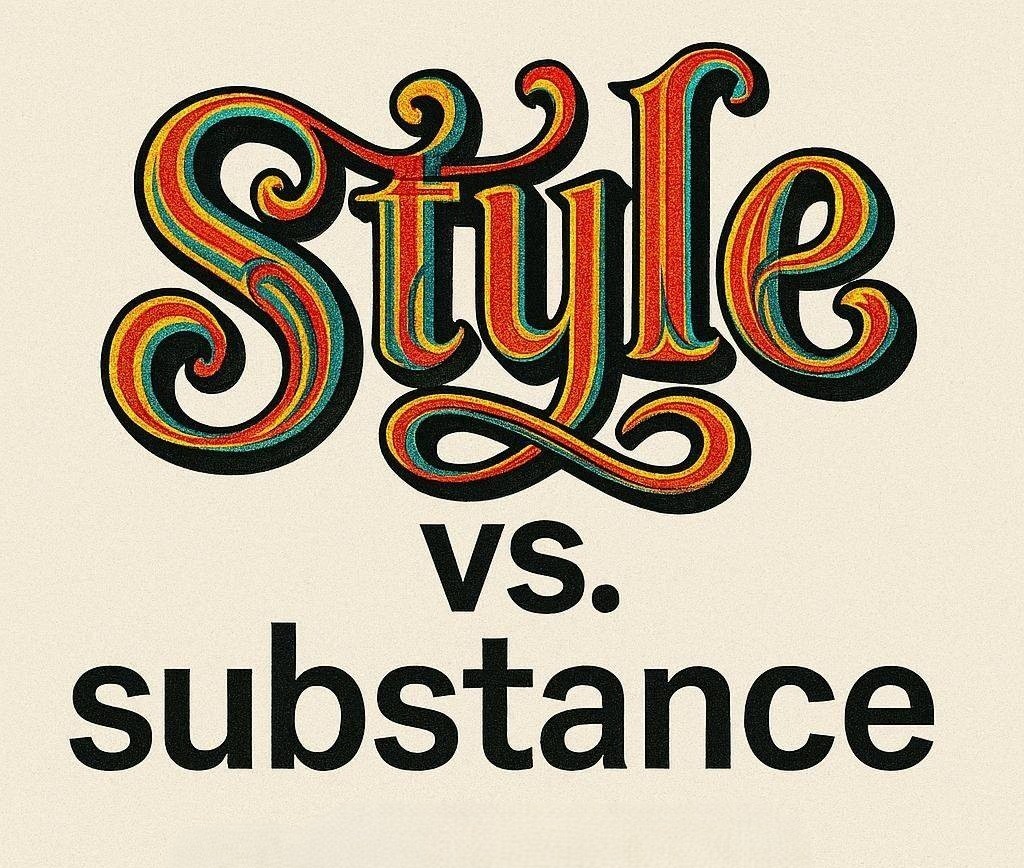
Style vs Substance in Writing

What matters more in writing, style or substance? It is an age-old debate, and there is no clear answer, other than “it depends.” It depends on what type of piece you are writing and the ultimate intent of the writer. A literary poem is heavily weighted toward style, while a technical essay is heavily weighted toward substance. However, some essays can be highly stylized, such as those by David Foster Wallace. Fiction sits somewhere between poetry and essays. Some fiction is much more about the style of the prose than the substance of the plot, as in most literary fiction. The unique voice of the writer is more important than the plot, which sometimes doesn’t even exist. Meanwhile commercial fiction (romance and page-turning thrillers) is much more about the substance of the plot and characters. Readers of commercial fiction don’t care about highly stylized prose—in fact that is a distraction. They prefer straightforward, journalistic essay-like prose that delivers the story clearly.

Continue reading
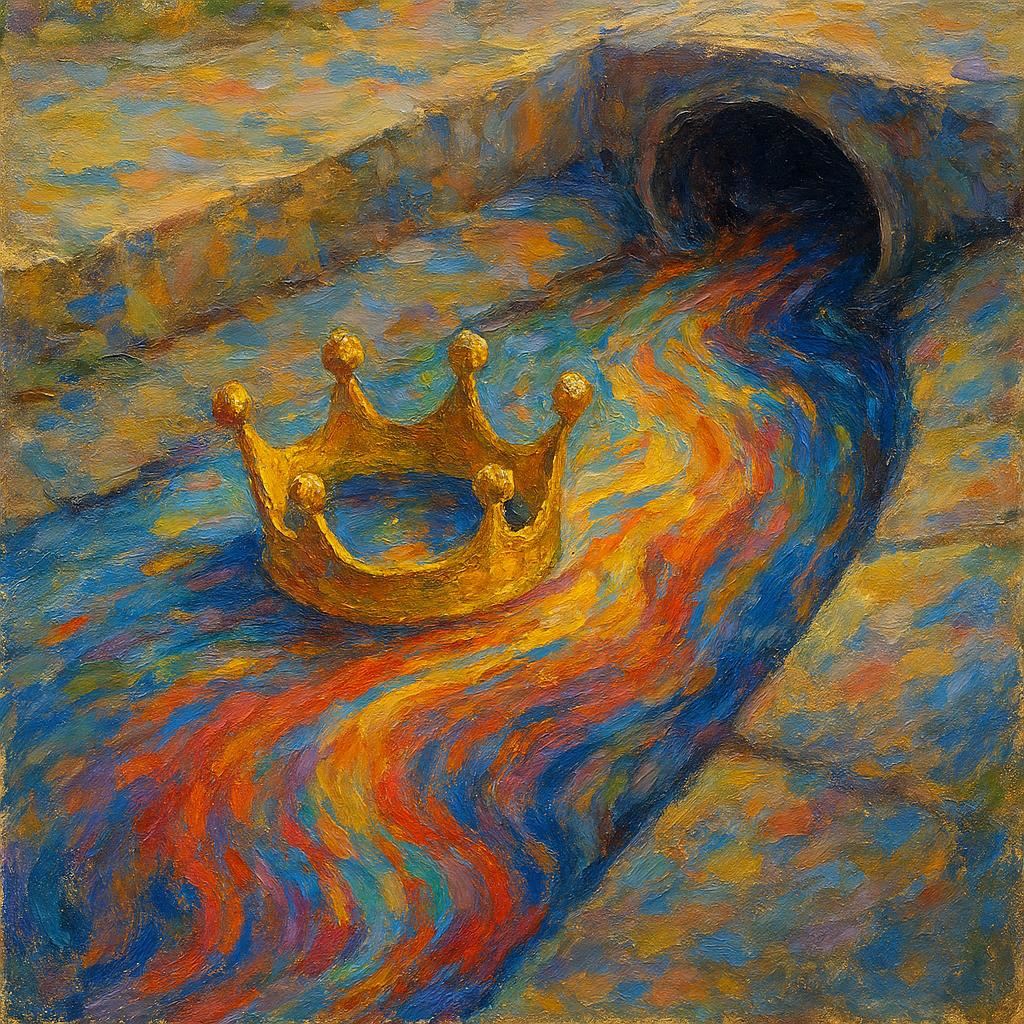

The AI Art Crown in the Slop Gutter

I don’t know how people can so brazenly dismiss AI art (for writing, music, images, and videos) when no one even fully knows the capacity of current models, let alone future ones. They say AI is not that good at X (be it writing fiction or making movies), when it is impossible for anyone to have fully explored the potential of AI at doing X. And that potential is growing by the day as each new LLM model is released.

Continue reading

Why Writers Hate AI (From a Writer Who Doesn’t)

The anti-AI sentiment within the writing community is rabid. Many writers say that all AI writing is slop, and you should never use it. But I think that’s mostly denial and cope. LLMs are getting better by the day, and while I still mostly stand by this piece about the limits of ChatGPT at writing fiction, AI (Claude in particular) has gotten orders of magnitude better at writing fiction over the two and a half years since I wrote that—and it will only get better in the future. If you think AI cannot contribute to good writing, you’re not trying hard enough (or prompting well enough).

Continue reading

AI-Assisted Fiction Writing for Research and Parody

One of the best use cases for AI in writing fiction is as an expert personal research assistant. A common writing tip is to “write what you know.” This doesn’t mean to only write about your personal life, but to write about things you personally know about. That could mean doing research about certain topics you haven’t experienced personally until you are familiar enough to convincingly write about that topic. The problem with research is that it can take a lot of time, which limits the amount of actual creative writing you can do. That’s where AI comes in.

Continue reading

The Futile Attempt to Ban AI Writing

If you want to submit a short story or novel to any publisher today, you will inevitably find a disclaimer on their submission guidelines page that forbids submitting a story that used AI. But what exactly does “using AI” entail? If you dictate a story with an app that uses AI to transcribe it, is that using AI? If you then use Grammarly to proofread and edit, is that using AI? If you upload your manuscript to use Perplexity as a fact-checker and research assistant, is that using AI? If you use ChatGPT to help generate ideas during the outline phase but then write the actual story yourself, is that using AI? If you generate the first draft of a story with an LLM, but then rewrite every single word, is that still considered using AI? What if you only change 95% of the words? 75%? 50%?

Continue reading