Tag Archives: Shakespeare

The Success of Succession

Since Succession premiered in 2018, I repeatedly heard so many people I respect say how great the show was, but I hesitated to start watching. It wasn’t that I doubted them; I was just waiting to find the time to dive in. (Too much content.) With the final season airing this year, I thought it would be a good time to catch up before the finale. Part of the reason I hesitated to start Succession was fear of getting absorbed in yet another series that would go on indefinitely—or get canceled prematurely. Knowing there was an end in sight allowed me to begin. Long story short, it turns out all those people were right: Succession is a great show. It is highly dramatic with surprising twists and turns, but it is also extremely funny—funnier than most sitcoms, full of classic one-liners. It ranks up there with The Wire, The Sopranos, Mad Men, and Breaking Bad as one of the top television series of all time.

Continue reading
From Hating Reading Books to Writing Them

When I was a child, I hated reading books. Yet today as an adult, I not only read a ton of books—I write them. How did this happen? Did my temperament change drastically? I don’t think so. I think I could have learned to love reading as a child if only I was exposed to the right books.

Continue reading

Are Modern Writers Getting Dumber?

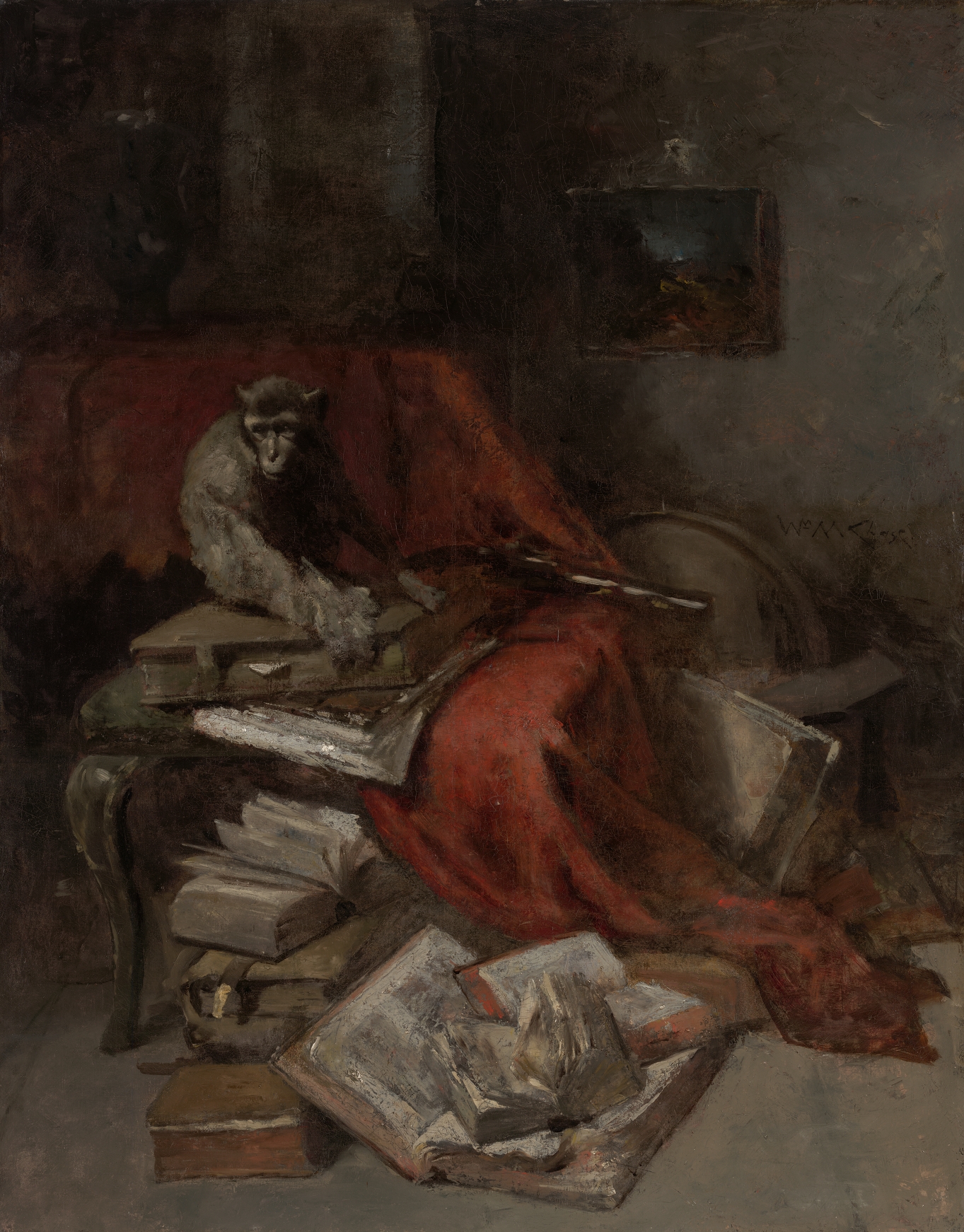
“Monkeying with Literature” (ca. 1877–78) by William Merritt Chase

When I read the fiction of 19th-century writers like Edgar Allan Poe, Fyodor Dostoyevsky, and Herman Melville (among others), I am amazed by the depth and sophistication of their work, both psychologically and philosophically—not to mention the craftsmanship of their prose. Is anybody writing such complex fiction today? Society does not seem to make writers like they used to. (Myself included—though such writers inspire me to elevate my work.) Keep in mind that those writers were not professionally trained to be writers—almost all were self-taught. How were people so long ago seemingly so much more knowledgeable than we are today when we have so much more knowledge? Perhaps that very “knowledge” is the problem.

Continue reading