Tag Archives: outlining

To Plan or To Pants? Writing Advice on Plotting vs Pantsing

There are essentially two types of writers: plotters and pantsers. Those who outline their plot beforehand, and those who write from the seat of their pants (AKA go in blind and make everything up as they go along). I said in the past that I was an outliner, but I now outline less than I used to. 

Outlines make it easier to know where you have to go in the plot. But one benefit of writing from the seat of your pants is that you are motivated to write more often and faster because you want to know what happens next. If the full story is thoroughly outlined, writing can become more of a tedious transcription-like process with little surprise for the writer. Less planning can create more fun, though I don’t know if I would recommend that approach to someone who doesn’t have sufficient writing experience

Continue reading

Incubate Stories Subconsciously Before Writing

When I get a new idea for a fiction story I become obsessed. I am flooded with inspiration, developing the story in my mind while researching online, and rapidly taking notes for a potential plot and characters. I can see a flash of the entire story in my mind like a movie, and I feel the urge to follow this burst of obsessive inspiration to write the story ASAP. Sometimes I do write it right away, while other times I set the notes aside to finish whatever else I was working on at the time (because I am always working on something else). I have found the latter to be more productive for my creative process. It is better to wait and incubate the story for some time rather than rush in prematurely.

Continue reading

Why the End of a Story Matters Most

Storytellers often defend their work that is criticized for a poor ending (cough-cough LOST) by claiming that the story or plot didn’t really matter—it was about the characters all along. This is a cop-out. The most important part of any story is the STORY, not the characters, and a story is not a story without “The End.”

Continue reading

Use Visualization to Write Fiction Like Tesla

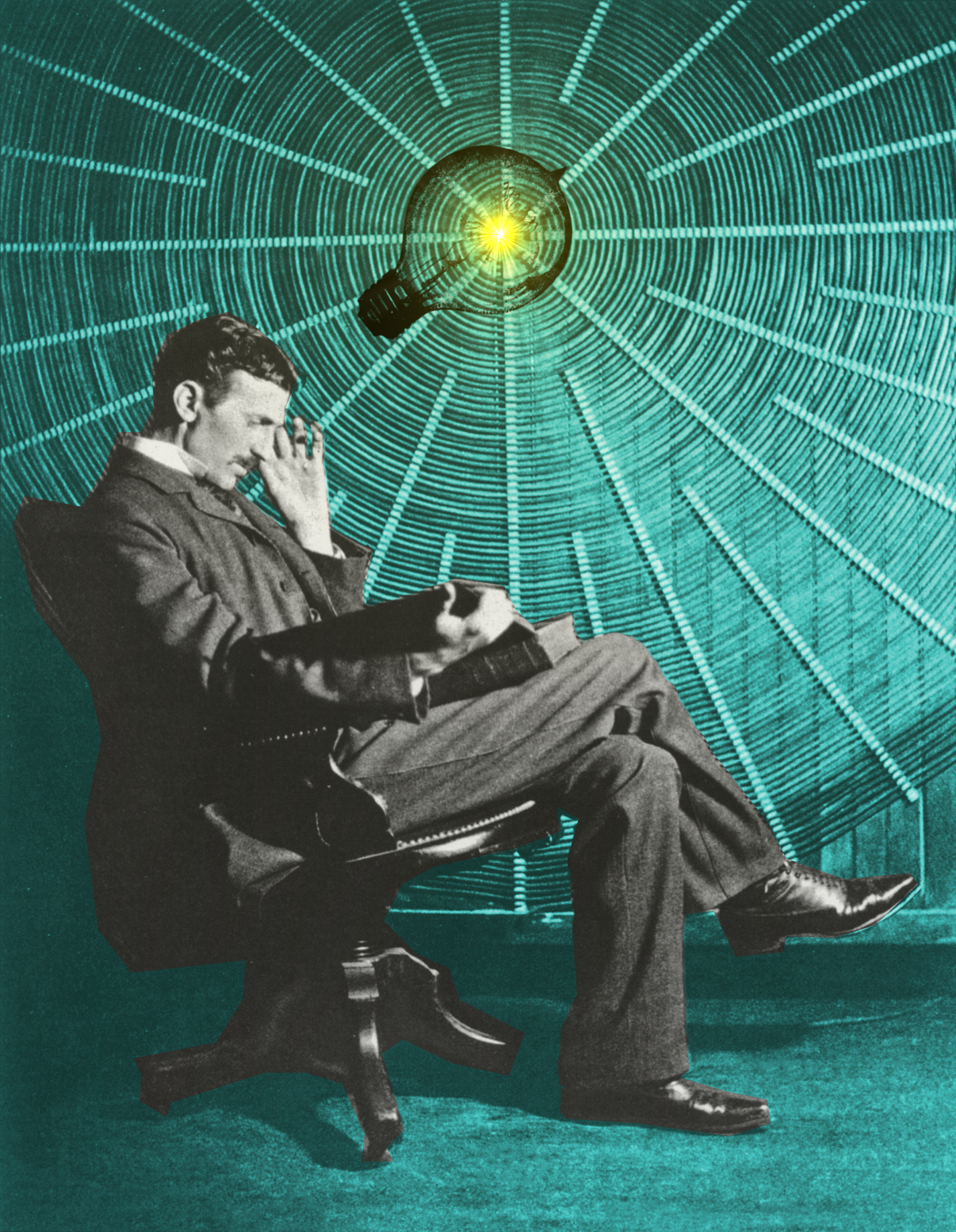
Most of my toughest problems writing fiction come from hitting a wall midway through the first draft when I realize I must alter the narrative in some dramatic way, requiring massive rewrites of what I’d written so far. This doesn’t always happen, but when it does, it is demoralizing—especially for longer projects like novels. I dread going back to do that rewriting work because it is difficult, tedious, and time-consuming. Fixing what I wrote before often takes longer than it took to write in the first place.

Continue reading

Idea Inception: Outlining and the Future of Writing

incubate5

My favorite part of writing might be outlining. Not actually creating a formal outline, but the moment I first hatch the idea and jot notes down. It’s more like free-writing. The ideas come to me rapidly, and I just try to get it all down as fast as I can. They come out of order: plot points, characters, action scenes, settings… My mind naturally sculpts the ideas into stories with three acts: a beginning, middle, and end. In a half-hour, I could have a page or two—and it may look like a mess—but it’ll contain the structure of an entire screenplay/novel. I can see the entire story in my head like a movie. My mind fills in the gaps between the scenes. It feels complete. I don’t even need to write it—other than to share it with other people. Continue reading