
I don’t know how people can so brazenly dismiss AI art (for writing, music, images, and videos) when no one even fully knows the capacity of current models, let alone future ones. They say AI is not that good at X (be it writing fiction or making movies), when it is impossible for anyone to have fully explored the potential of AI at doing X. And that potential is growing by the day as each new LLM model is released.
Critics dismiss AI art as “slop” because it is mainly non-creatives using AI generators. AI can only be as creative as the human using it. Non-creative people create non-creative slop. AI-generated art may appear technically proficient, but mere technical proficiency has become ubiquitous with AI. The true limiting factor in AI art is human creativity, taste, and judgment.
Human creativity is needed to choose what to use AI to create, judgment is needed to refine and reiterate the AI’s output, and taste is needed to choose the final product.
The best human artists are better than AI, but AI is as good as a mediocre artist. When everyone can be average, that only makes the above-average more valuable. If you’re a great writer, AI will not write better than you. (The same for visual artists, musicians, and filmmakers.) But humans can use their personal artistic expertise to elevate the mediocrity of AI. AI can also help human artists be more prolific and expand their art into other mediums, such as creating images, music, and videos to complement, enhance, and promote a piece of writing. (The same for other types of artists using AI to do the things they are not experts at.)
Those who refuse to use AI now are like the artists (actors, writers, and directors) who dismissed the invention of the video camera and continued doing live theater. Sure, you can keep doing stage plays and have a decent career doing so. Theater is admittedly a more “pure” artform than film, in that it is more personal and human-centric, less contaminated by technology. But those who embraced cameras made movies and built Hollywood, a multi-billion dollar industry that dwarfed live theater. And I’d bet dollars to donuts that almost all those who hate AI today watch more movies than stage plays.
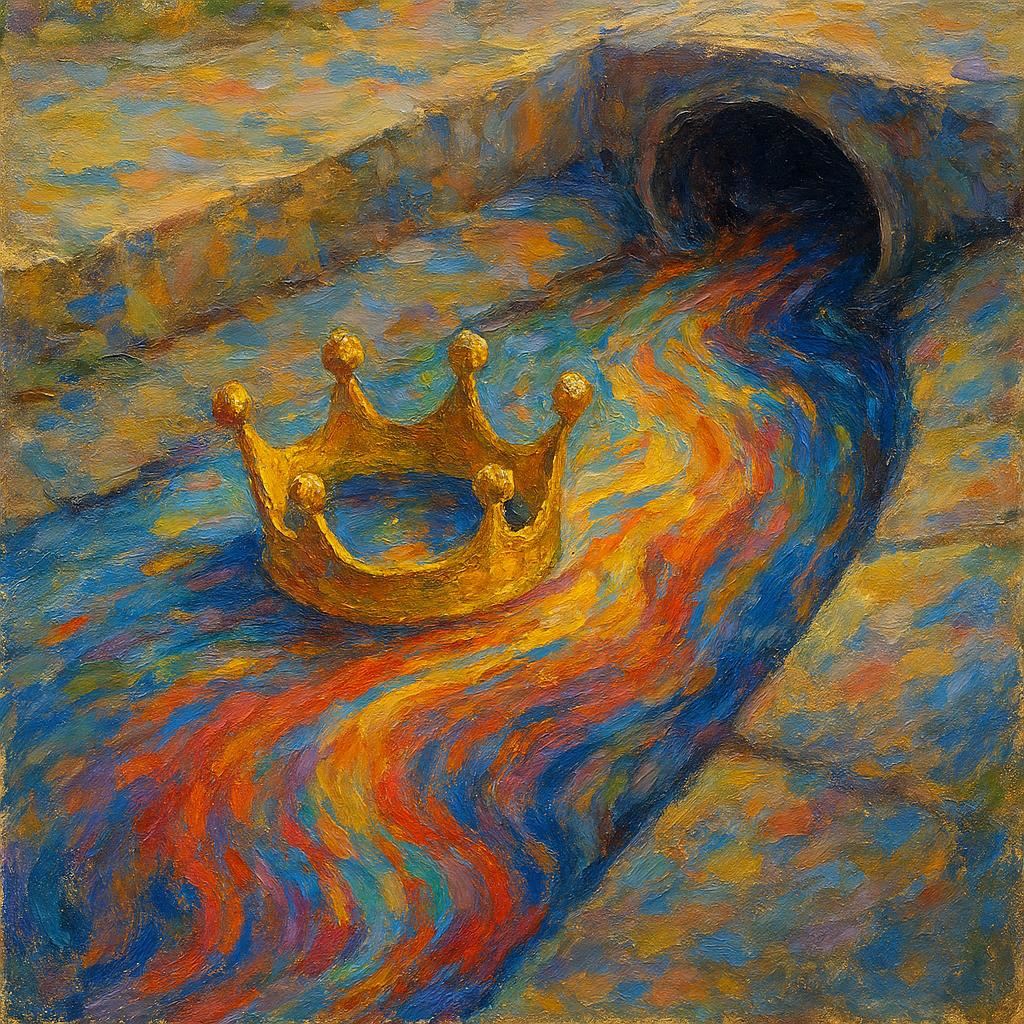
The current anti-AI hate is a temporary phase, a tech-phobic reactionary movement that, decades from now, will seem silly in retrospect—like the painters who thought cameras were the death of art. In some sense they were right, in that it was the death of a certain type of art, but it was also the birth of a new one. Using LLMs for art feels like a crown lying in the gutter (a gutter swirling with non-creative slop). Creative artists, writers, and musicians who embrace AI to supercharge their own art will rule the future.

