Tag Archives: Erik Hoel

The Best Nonfiction I Read in 2025

Books

Consider the Lobster and Other Essays (2005) by David Foster Wallace
DFW’s first collection of essays, A Supposedly Fun Thing I’ll Never Do Again, was some of the best nonfiction writing I’ve ever read, and this, his second collection of essays, is equally great. The topics covered include:

  • His experience visiting an “adult entertainment” awards show in Las Vegas, exposing with sardonic wit how gross and nihilistic the entire porn industry and everyone involved in it is.
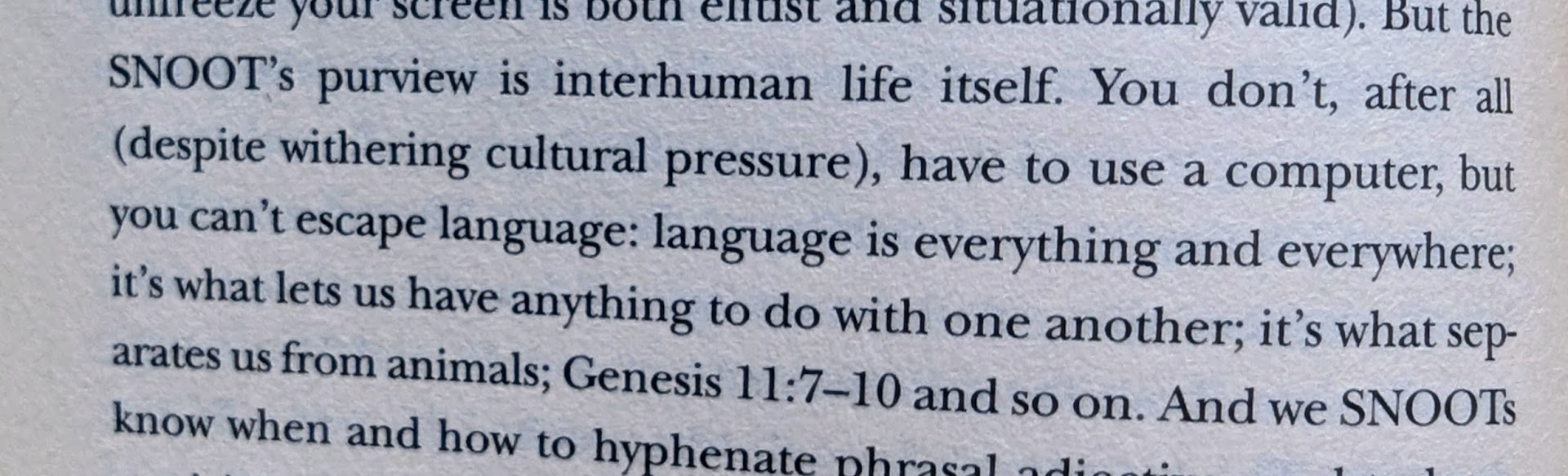
  • A book review of a usage dictionary, which reveals why DFW is such a masterful writer, because of his obsession with words and the English language.
  • About what life was like in the days following 9/11/2001 in Bloomington, Indiana.
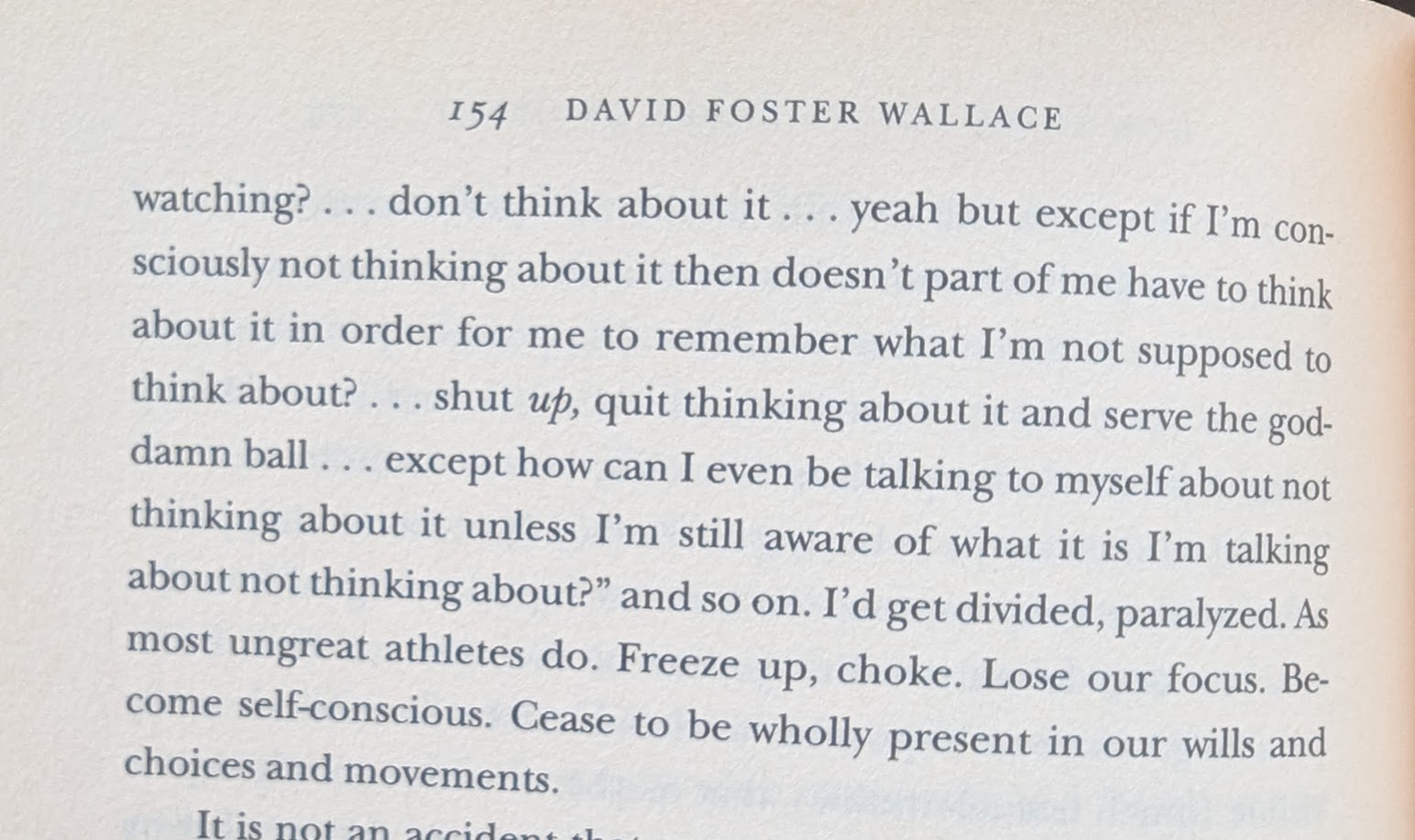
  • A review of a memoir of a female child tennis star. Like I said last time, DFW can make any topic interesting, especially when writing about tennis, which was of particular interest to him.
  • DFW’s experience following John McCain on the campaign trail during his 2000 presidential run, about the politician as a person in private versus how he presents himself to the public versus how the media presents him. Which is the real one? Is any of them “real“?
  • His visit to the annual Maine Lobster Festival and the ethics of eating lobsters.
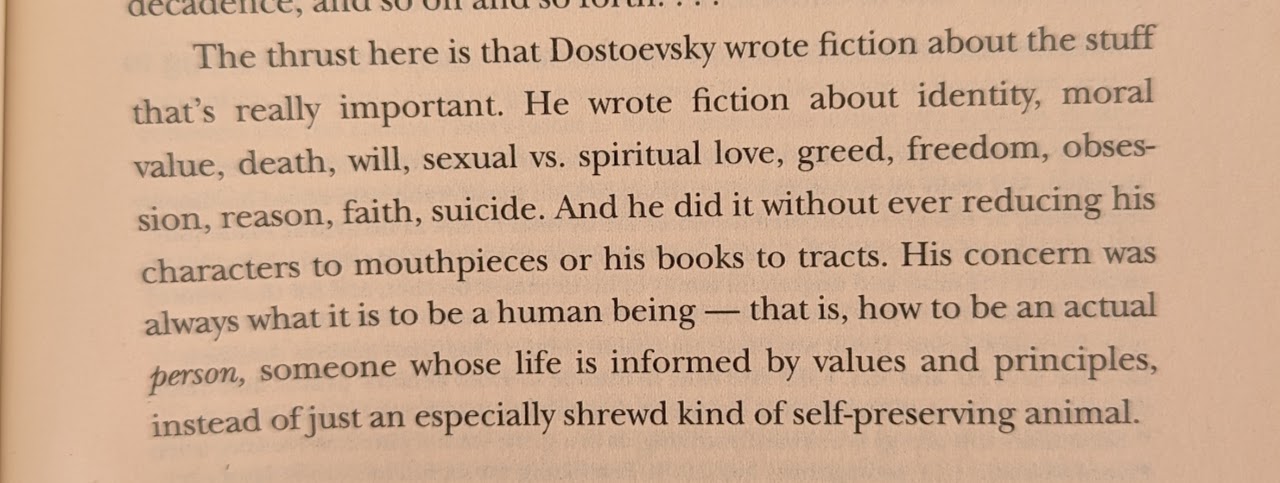
  • A review of a biography of Dostoyevsky and his fiction—one literary master writing about another.
  • A profile of a political talk radio show host in Los Angeles in the early 2000s, somewhat prophetic of podcasts and the decentralized media landscape that the internet would enable—yet it also now seems quaint. Like if you were worried about the political polarization of Bush-era talk radio, you had no idea what was coming… Plus this essay features the most convoluted set of DFW “foot”notes yet.
Continue reading

Best Fiction Books I Read in 2023

1. Blood Meridian, or, the Evening Redness in the West (1985) by Cormac McCarthy

I had been planning to read this book for a while after repeatedly hearing it recommended as one of the greatest American novels. When Cormac McCarthy passed away this year, I thought it would be a good time to finally do so. I’d seen and loved several movies based on McCarthy’s books but had never read one.

There’s not much of a plot to Blood Meridian: it’s basically a group of men riding across the Old West, encountering gruesome scenes of violence in and between skirmishes with Apaches. What really sets the book apart—why it is hailed as one of the greatest modern novels by one of the greatest modern writers—is McCarthy’s writing style, painting portraits of the scenes with beautifully simple poetry and deep philosophical insight, mostly through the character of “the judge.” Which is the second thing that sets Blood Meridian apart. The character of judge Holden is an all-time classic antihero (or outright villain). He studies nature and catalogs specimens in his journal, yet kills men, women, and children, sometimes just for the thrill of it.

The story is told from the perspective of “the kid,” a young man riding with the judge and their leader, Glanton. But whenever the focus drifted away from the judge, I wanted to return to him. He is such a fascinating character and if/when the book is made into a movie, whoever plays the judge will likely win an Oscar. The book is full of violence but not gratuitously—it is there for a reason. The book explores the very nature of violence and war, how it is fundamental to life, inescapable. Perhaps the central question of the book is who or what is Holden the judge of? 

Continue reading